
About Jizan
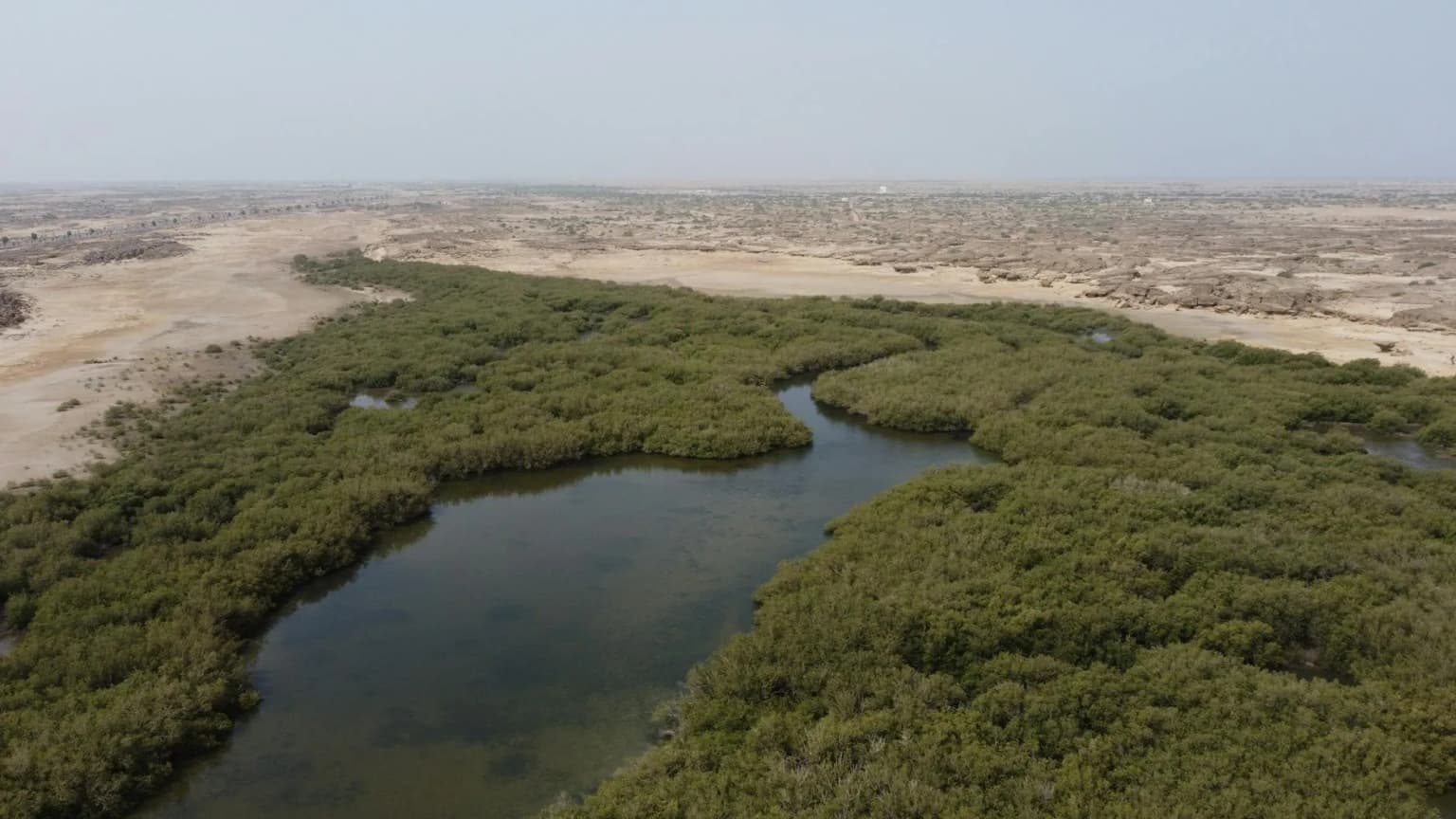
Jizan (also spelled Jazan) is the capital of the Jazan Region, Saudi Arabia's southwesternmost province bordering Yemen. Unlike the rest of Saudi Arabia, Jizan has a tropical climate with higher rainfall, supporting mangrove forests and diverse agriculture including coffee, mangoes, papayas, and figs. The nearby Farasan Islands, a protected marine sanctuary, offer pristine coral reefs and wildlife. The region has a distinct cultural identity influenced by its proximity to Africa and Yemen, visible in its architecture, music, and cuisine. Jizan is being developed as an economic zone with a new port and industrial projects, though it remains one of the less developed regions of the Kingdom.
A tropical coastal city on the Red Sea in the far southwest of Saudi Arabia, Jizan offers a unique climate, the Farasan Islands archipelago, and a culture influenced by African and Yemeni traditions.
Located in Jazan Region, Jizan is home to 200,000 residents. The local economy runs on fisheries & marine resources, agriculture (tropical fruits, coffee), government & military, port & logistics (under development), tourism (farasan islands), education, and the city has become a draw for international professionals looking for tax-free salaries and a growing quality of life. The expat community here numbers around ~15,000 expats people, primarily from Yemeni, Indian, Pakistani, Egyptian.
For expats considering a move, Jizan has clear upsides. Unique tropical climate unlike the rest of Saudi Arabia. Beautiful Farasan Islands with pristine diving. Very affordable cost of living. The flip side is worth knowing too: Very limited job opportunities. Remote location far from major cities. None of this is a dealbreaker, but it helps to go in with realistic expectations. If you are in the early stages of planning, start with our guide to moving to Saudi Arabia and check the visa requirements for your nationality.
Things to Do in Jizan
Jizan (also spelled Jazan), in Saudi Arabia's far southwest, offers a completely different landscape from the rest of the Kingdom. This tropical coastal region features lush mangrove forests, pristine islands, and a unique blend of Saudi, African, and Yemeni cultural influences reflected in its cuisine, architecture, and traditions. The Farasan Islands archipelago offshore is a protected marine sanctuary.
Island Archipelago
Farasan Islands
An archipelago of 84 coral islands accessible by a free government ferry, the Farasan Islands are one of Saudi Arabia's best-kept natural treasures. The main island features pristine beaches, turquoise waters, mangrove channels, and Ottoman-era pearl merchant houses with ornate coral-stone facades. Arabian gazelles roam the islands freely, and the surrounding waters support rich marine life including dolphins, sea turtles, and colorful reef fish.
Hours: Ferry schedule varies seasonally - check current times. Tip: The free ferry departs from Jizan port twice daily. Book ahead during holidays. Bring all supplies as options on the island are limited. At least an overnight stay is recommended.
Waterfront
Jizan Corniche
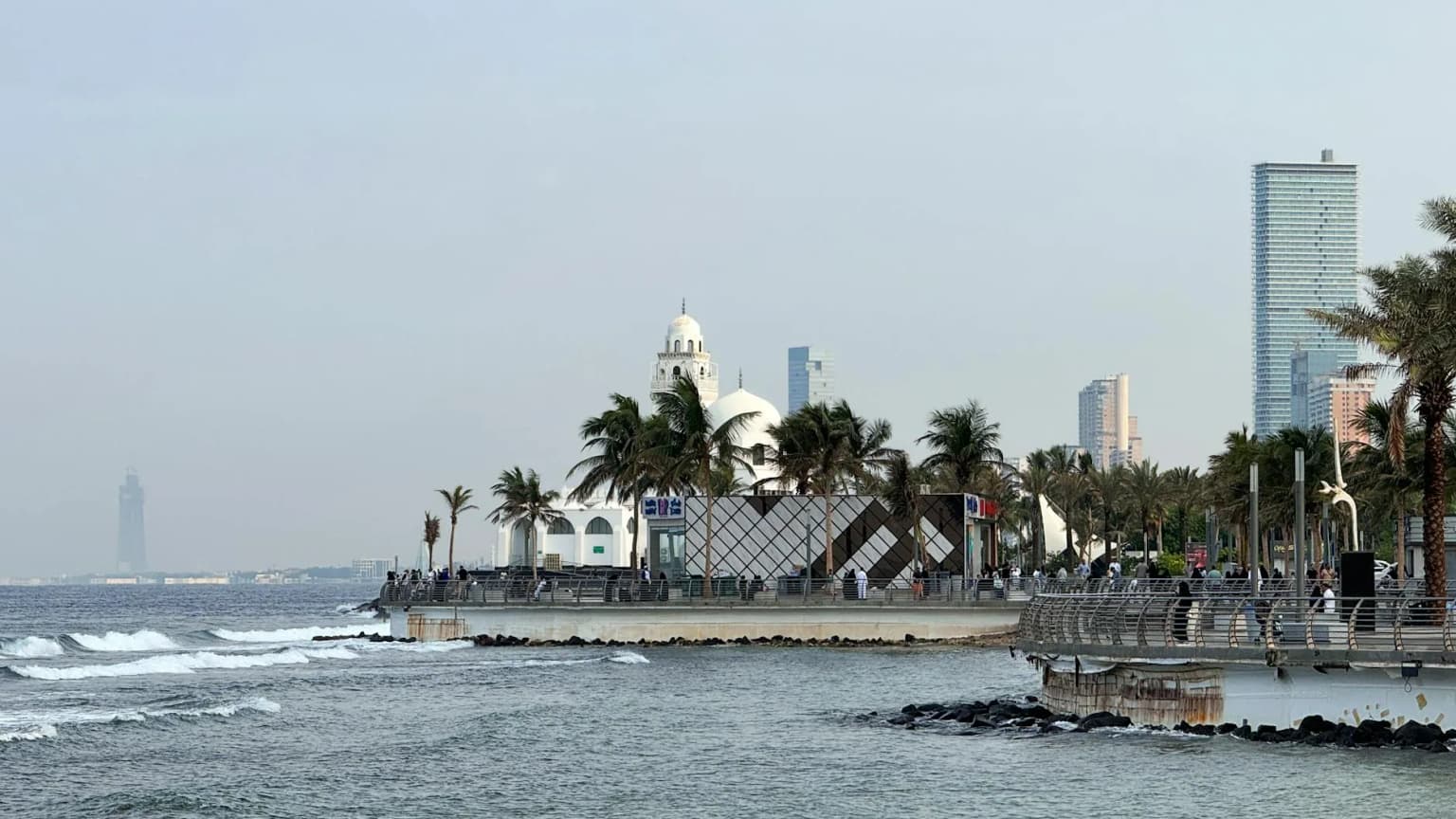
A landscaped tropical waterfront stretching along the Red Sea coast, the Jizan Corniche is lined with palm trees, tropical gardens, and waterfront cafes. The warm evening breeze makes it the social hub of the city after sunset, with families strolling, street food vendors selling grilled corn and fresh juice, and views across the Red Sea toward the Farasan Islands.
Tip: Visit in the evening when temperatures are more comfortable and the Corniche comes alive with street food and families.
Heritage Village
Heritage Village
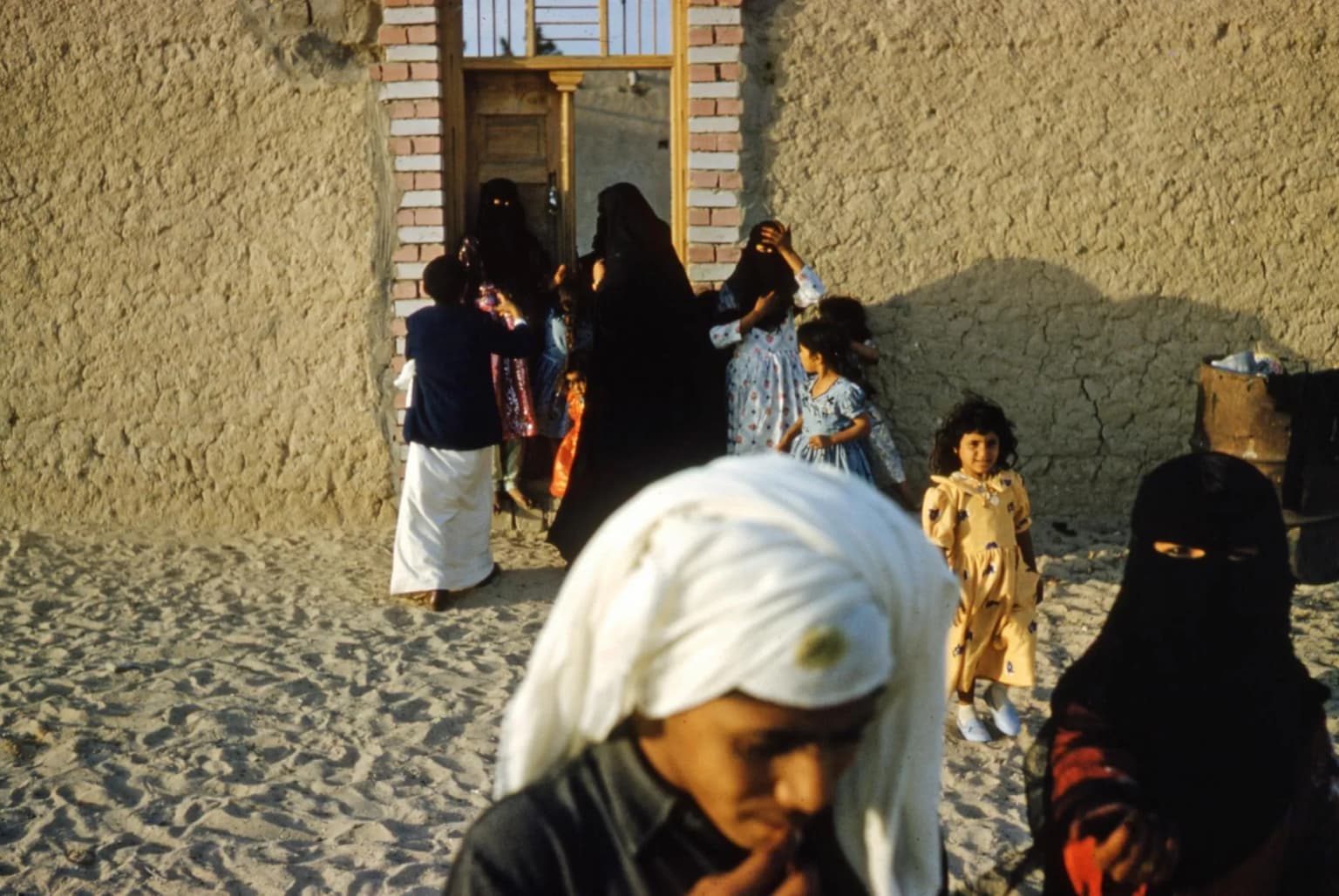
A reconstructed traditional village showcasing the distinctive architecture and crafts of the Jizan region. The tropical stone-and-thatch buildings are unlike anything found elsewhere in Saudi Arabia, reflecting African and Yemeni influences on local building traditions. Cultural performances, craft demonstrations, and displays of traditional clothing and tools bring the region's unique heritage to life.
Tickets: Minimal admission fee. Tip: Ask about scheduled cultural performances. The traditional dances and music reflect the region's African-Arabian cultural blend.
Nature Reserve
Mangrove Forests
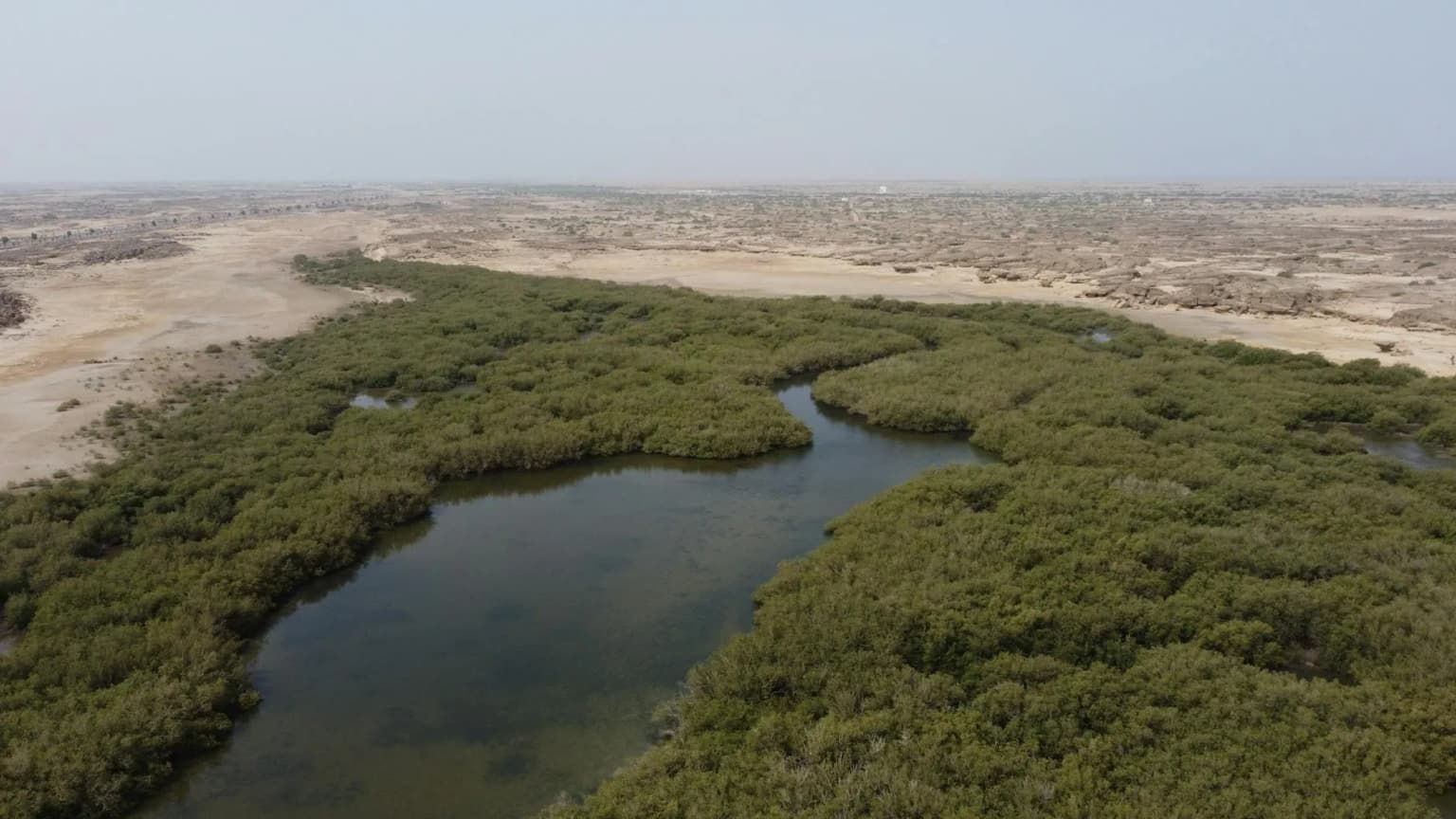
Jizan's extensive coastal mangrove forests form one of the richest ecosystems on the Arabian Peninsula. These tidal forests shelter flamingos, herons, egrets, and numerous fish species in their tangled root systems. Kayaking through the mangrove channels offers intimate encounters with wildlife and a peaceful escape from the city. The mangroves also play a critical role in protecting the coastline.
Tip: Early morning is best for birdwatching. Kayak rentals are available from operators near the mangrove areas. Bring insect repellent.
Hidden Gems
Beyond the well-known landmarks, Jizan has some lesser-known spots worth discovering:
Al Qahmah Fish Market
A bustling morning fish market south of Jizan where local fishermen bring in their daily catch straight from the Red Sea. The variety of tropical fish, shrimp, and lobster on display is remarkable, and many stalls will grill your purchase on the spot. The atmosphere is lively, with fishermen calling out their catches and buyers haggling over prices.
Farasan Ottoman Merchant Houses
Scattered across Farasan Island's main town are several crumbling but magnificent Ottoman-era houses built by wealthy pearl merchants. The ornate coral-stone facades feature carved windows, decorative arches, and intricate geometric patterns that reflect the island's prosperity during the pearl trade era. Most visitors rush to the beaches and miss these architectural treasures.
Wadi Lajab
A dramatic narrow canyon about 62 miles (100 km) northeast of Jizan city, where water flows between towering cliff walls draped in tropical vegetation. The hike through the wadi involves wading through pools and scrambling over rocks, with the reward of small waterfalls and a microclimate that feels more like Southeast Asia than Saudi Arabia.
Day Trips from Jizan
Jizan's surroundings offer a remarkable diversity of landscapes, from coral island archipelagos to dramatic mountain ranges, all within a few hours of the city. The free ferry to the Farasan Islands is the standout trip, but the Fifa Mountains and historic inland towns like Sabya provide equally rewarding excursions into landscapes that most visitors to Saudi Arabia never see.
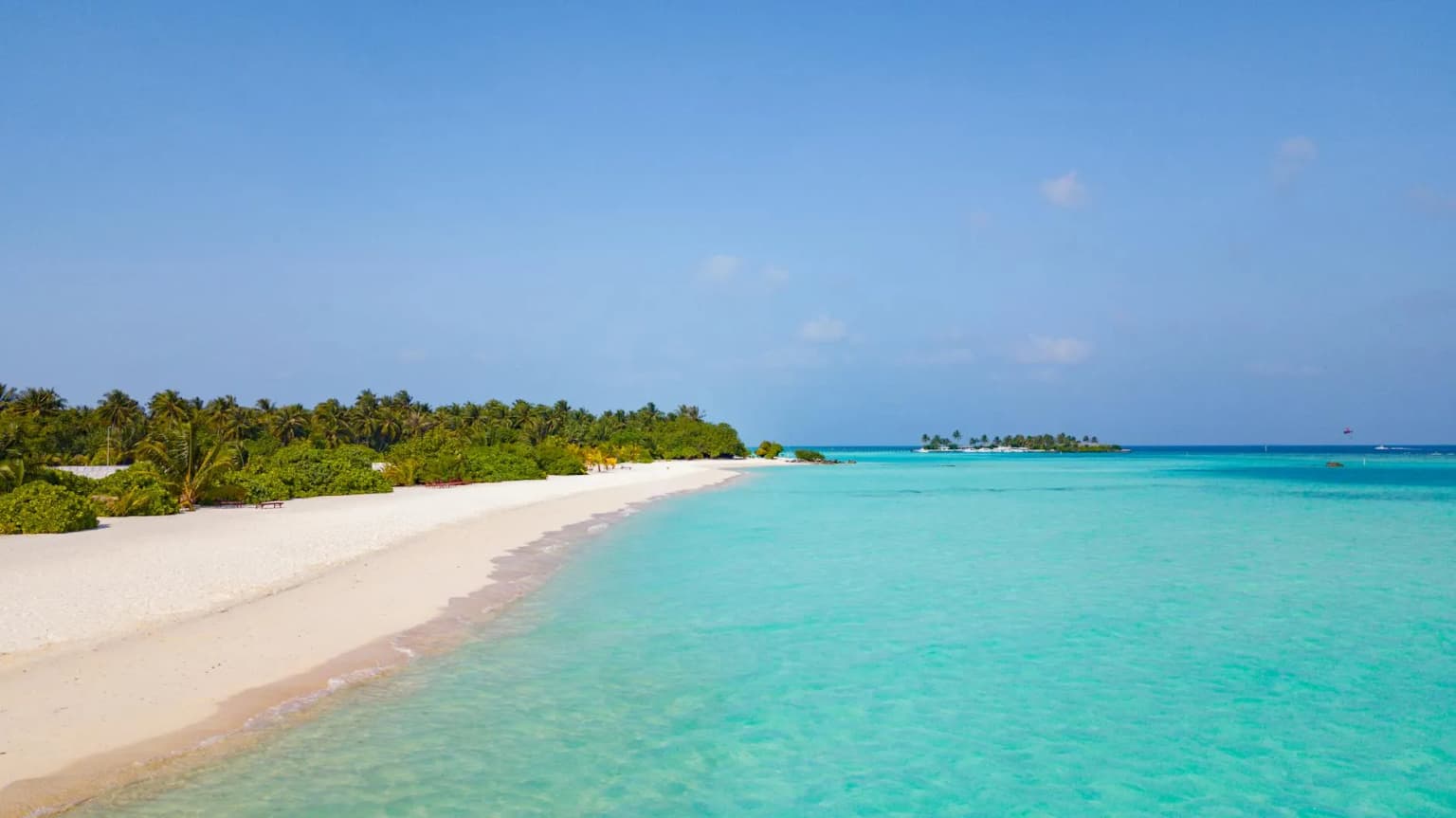
Farasan Islands
An archipelago of 84 coral islands with pristine beaches, Ottoman pearl merchant houses, mangrove channels, and free-roaming Arabian gazelles. The free ferry makes this one of the best-value excursions in all of Saudi Arabia. Snorkeling, beachcombing, and exploring historic architecture fill a full day.
31 miles (50 km) by ferry - 1.5 hours by ferry

Fifa Mountains
A dramatic mountain range about 62 miles (100 km) northeast of Jizan, rising to over 5,906 feet (1,800 m) with terraced agriculture, juniper forests, and panoramic views stretching to the Red Sea. The winding road up the mountain is an adventure in itself, and the cool temperatures at the summit are a welcome relief from Jizan's tropical heat.
62 miles (100 km) northeast - 1.5 hours drive

Sabya
A historic town 37 miles (60 km) northeast of Jizan with traditional markets, old stone architecture, and a weekly souq that draws farmers from surrounding villages. The town reflects the agricultural heritage of the Jizan region and offers a glimpse of traditional life away from the coast.
37 miles (60 km) northeast - 45 minutes drive
For a complete list of attractions, restaurants, and detailed itineraries, check out our full guide to things to do in Jizan.
Where to Eat in Jizan
Jizan's cuisine is unlike anything else in Saudi Arabia. The tropical climate, Red Sea location, and centuries of cultural exchange with East Africa and Yemen have created a food culture that features fresh seafood, tropical fruits, and spiced stews with flavors you will not find in Riyadh or Jeddah. Mangoes and papayas grow locally here, fish is caught fresh daily, and the spice palette leans toward African and Yemeni traditions rather than the Najdi flavors dominant elsewhere in the Kingdom.
Local dishes you should try include Fresh Grilled Seafood (jizan's red sea location means exceptional fresh seafood, from hammour (grouper) and shrimp to lobster, grilled simply with tropical spices, 25-60 SAR), Mandi (while mandi (rice and slow-cooked meat) exists across saudi arabia, jizan's version has its own character, influenced by yemeni cooking traditions, 25-40 SAR), Tropical Fruits (jizan is one of the only places in saudi arabia where tropical fruits like mangoes, papayas, guavas, and bananas grow locally, 5-15 SAR), Asida with Ghee (a thick wheat flour porridge served with pools of ghee and honey, reflecting the african culinary influences in jizan's food culture, 15-25 SAR), and Spiced Stews (jizan's stews incorporate tropical ingredients and spice combinations that differ markedly from the food in riyadh or jeddah, 20-35 SAR).
Restaurant Recommendations
Some places worth trying: Corniche Seafood Restaurants in Jizan Corniche (several waterfront restaurants along the jizan corniche serve fresh red sea fish and shrimp grilled to order, with views across the water, 60-120 SAR for two), Fish Market Grills in Central fish market (buy fresh fish at the morning market and have it grilled at adjacent stalls, 30-50 SAR), Tropical Juice Stands in Throughout the city (street vendors and small shops throughout jizan serve freshly squeezed mango, guava, papaya, and mixed tropical fruit juices, 5-15 SAR), and Farasan Island Restaurants in Farasan Island main town (small, simple restaurants on farasan island serve freshly caught fish and shrimp with rice, 30-60 SAR).
Dining Tips
Fresh seafood is the highlight of Jizan's food scene. Eat it at the fish market or corniche restaurants for the best quality and prices.
Try the tropical fruit juices - Jizan is one of the few places in Saudi Arabia where mangoes, guavas, and papayas grow locally.
On Farasan Island, dining options are very limited. Bring snacks and water with you on the ferry as a backup.
The humid tropical climate can suppress appetite. Stay hydrated and eat lighter meals during the heat of the day.
Restaurants close during prayer times. In the evenings, the Corniche food stalls are a relaxed alternative to formal restaurants.
Cost of Living in Jizan
Living costs in Jizan are Among the cheapest cities in Saudi Arabia; up to 50% cheaper than Riyadh compared to other major cities in the Gulf. A comfortable monthly budget falls between 2,000-6,000 SAR, covering rent, food, transport, and day-to-day expenses. Compared to Dubai, you can expect to spend 30-50% less. Compared to Abu Dhabi, 20-40% less. And with zero personal income tax in Saudi Arabia, your purchasing power goes further than the numbers suggest.
Housing
Rent for a one-bedroom apartment ranges from 800-3,000 SAR, depending on the neighborhood and apartment quality. City center locations and modern compounds are more expensive but offer better amenities and shorter commutes. Suburban standalone apartments give you more space for less money. Most landlords expect annual rent, often paid in 1-4 post-dated checks, and utilities run about 150-300 SAR per month per month. For details on how the process works, see our rental guide for Saudi Arabia.
Groceries, Food & Transport
A meal at a mid-range restaurant costs 10-40 SAR per meal. Monthly grocery shopping averages 350-700 SAR per month, with major supermarket chains like Tamimi, Panda, Danube, and Carrefour available. Transportation costs are Private car essential; limited taxis - fuel is very affordable, ride-hailing through Uber and Careem works well, and most expats drive or use apps to get around.
Monthly Budget Breakdown
| Rent (1BR apartment) | 800-3,000 SAR |
| Utilities | 150-300 SAR per month |
| Groceries | 350-700 SAR per month |
| Transportation | Private car essential; limited taxis |
| Restaurant meal | 10-40 SAR per meal |
| Total monthly budget | 2,000-6,000 SAR |
Use our cost of living calculator to get a personalized estimate based on your lifestyle.
Best Neighborhoods in Jizan
Where you live matters. Jizan has neighborhoods that range from gated expat compounds with pools and security to vibrant city center districts within walking distance of restaurants and offices. The right choice depends on your budget, whether you have a family, and how you want to live day-to-day.
| Neighborhood | Rent Level | Description |
|---|---|---|
| City Center | Low-Medium | Main commercial area with the corniche, government offices, and traditional markets. |
| Corniche Area | Medium | Waterfront district with sea views, newer developments, and the best restaurants in the city. |
| Al Rawdah | Low | Residential area with affordable housing and growing amenities. |
| Farasan Islands | Very Low | The main island has basic accommodation and a very traditional lifestyle. Popular with eco-tourists and divers. |
District Map
If you are coming with family, expat compounds are the path of least resistance. They come with security, shared amenities, social events, and other families in the same situation as you. If you are single or a couple without kids, a modern apartment in a central district puts you closer to restaurants, offices, and city life. Either way, visit the neighborhood in person before signing a lease. Drive around at different times of day, check the commute to your office, and look at what is nearby.
Jobs & Career Opportunities
The job market in Jizan is active, with an unemployment rate of Higher than national average; limited private sector. Average salaries sit around 3,500-8,000 SAR, and because Saudi Arabia has no personal income tax, what you earn is what you keep. Saudization (Nitaqat) policies mean companies must hire a percentage of Saudi nationals, but many sectors still recruit heavily from abroad - especially in fisheries & marine resources, agriculture (tropical fruits, coffee), government & military.
Major employers in Jizan include Jazan Region Emirate, Jazan University, Jazan Economic City (under development), Saudi Border Guard, Jazan General Hospital, Agricultural cooperatives. These companies regularly hire international talent and often provide comprehensive packages including housing, transportation allowances, annual flights home, and medical insurance for the whole family.
The fastest growing sectors are port & logistics (jazan economic city), agriculture & fisheries, tourism (farasan islands), government services, education, healthcare, all driven by the Kingdom's Vision 2030 diversification strategy. If your skills align with any of these, you will find the job market receptive.
How to Find Work
LinkedIn is the primary recruitment channel in Saudi Arabia - update your profile with Jizan or Saudi Arabia as your preferred location. Major recruitment agencies like Hays, Robert Half, and Michael Page operate across the Kingdom. Bayt.com, GulfTalent, and Naukrigulf are the most used regional job boards. Apply directly on company career pages for the big employers. Networking matters more here than in most places - join professional groups, attend industry events, and connect with people already working in Jizan.
Work Culture
The work week runs Sunday to Thursday, typically 8 hours per day with reduced hours during Ramadan. You get a minimum of 21 days annual leave, increasing to 30 days after 5 years with the same employer. Typical expat packages include housing, transport, annual flights, medical insurance, and education allowances for children. When your contract ends, you receive an end-of-service gratuity based on your years of employment. For more on what to expect, read our Saudi working culture guide.
Getting Around Jizan
Jizan is a compact coastal city easily navigated by car. The main challenge is reaching the Farasan Islands, which requires a ferry from the Jizan port. Within the city, everything from the Corniche to the Heritage Village is within a short drive. For the mangroves and outer attractions, a car is essential.
Car rental: The most practical option for exploring Jizan city and the surrounding region. Roads are well-maintained, though the city center can be congested. A sedan is sufficient for all main roads. Cost: 100-150 SAR per day, fuel ~2.3 SAR/liter.
Farasan Islands Ferry: A free government-operated ferry runs from Jizan port to Farasan Island, taking about 1.5 hours each way. Vehicles can be transported on the ferry. Book tickets in advance during holidays and weekends as the ferry fills up quickly. Cost: Free.
Ride-hailing (limited): Uber and Careem have limited availability in Jizan. Coverage is slightly better than smaller Saudi cities but do not rely on these apps for reaching the ferry terminal or outer attractions. Cost: 10-25 SAR within the city.
Taxis: Traditional taxis operate in the city center and can be useful for short trips. Negotiate fares in advance. Cost: 10-30 SAR for city trips.
Jizan Regional Airport (GIZ), also known as King Abdullah bin Abdulaziz Airport, is located about 5 km from the city center. Domestic flights connect to Riyadh (about 2 hours), Jeddah (about 1 hour), and other major Saudi cities. Saudia and flynas operate regular services. A taxi from the airport to the city center costs 15-30 SAR.
Driving in Jizan city is straightforward but the city center can be congested during peak hours. Roads to the ferry terminal are well-signed. If driving to the Fifa Mountains or Wadi Lajab, be prepared for winding mountain roads with steep gradients. On Farasan Island, roads are basic and a 4x4 is helpful for exploring beyond the main town.
Intercity travel: Domestic flights from Jizan Airport connect to Riyadh (2 hours), Jeddah (1 hour), and other cities. SAPTCO bus services run to Jeddah (about 8 hours) and other destinations. The drive to Abha is approximately 3 hours through mountainous terrain with spectacular scenery.
Expat Life in Jizan
Jizan has a well-established international community of around ~15,000 expats people, with the largest groups coming from Yemeni, Indian, Pakistani, Egyptian, Somali, Filipino. This is not a city where you will feel isolated. There are active expat groups, compound communities, professional networks, and social clubs that make it straightforward to build a social life from scratch.
Local groups like Jazan Community, Farasan Islands Divers, Jazan University International Faculty organize regular social events, cultural activities, and networking opportunities. Compound living provides built-in community with sports leagues, family events, and shared facilities. If you live independently, online communities on Facebook and WhatsApp are the fastest way to connect with other expats in your area.
Jizan has the most culturally distinct identity in Saudi Arabia, with strong African and Yemeni influences visible in music (the Mizmar and Khobbeiti dances), architecture, and cuisine. The region is famous for its traditional Mazbi grilled fish, tropical fruits, and locally grown coffee. The Farasan Islands have their own micro-culture with traditional fishing practices and coral-stone buildings. The region celebrates unique festivals tied to the fishing and agricultural calendar.
Healthcare
Jizan has Jizan General Hospital and several primary care centers. A new medical city is under development. Healthcare services are limited compared to major cities, and serious cases are often transferred to Jeddah or Riyadh. Some private clinics serve the community. Employer-provided medical insurance is mandatory by law, and most private hospitals and clinics have English-speaking staff. Emergency services are available around the clock, and pharmacies are well-stocked and often open late.
Education
Jizan has 1 major universities, including Jazan University (comprehensive public university serving the southern region). For expat families, international schools offering British, American, IB, and other curricula are available, along with nurseries and early childhood centers. School fees vary widely, but many employer packages include an education allowance.
Your First Month
When you first arrive, the priority list is straightforward: get your iqama (residence permit) processed through your employer, open a Saudi bank account, register on the Absher platform for government services, get a Saudi SIM card (STC, Mobily, or Zain), and either convert your driving license or start the process of getting a Saudi driving license. Most of this can be sorted within the first few weeks if your employer's PRO (public relations officer) is on top of things.
Climate & Practical Information
Summers in Jizan are hot and very humid, 95-108°f (35-42°c / 95-108°f) with high humidity year-round (june-september), while winters are warm, 72-90°f (22-32°c / 72-90°f) with occasional rain (november-february). The city experiences highest in mainland saudi arabia outside asir, ~150mm annually; monsoonal influence. The best time to visit or move is between October and April when the weather is most pleasant.
Popular destinations near Jizan include Farasan Islands, Wadi Lajab, Jizan Highland Mountain Villages, Mangrove Forests, Turkish Fort and Heritage Village, Farasan Coral Reef Diving. These are accessible for day trips or weekend getaways and give you a sense of the region beyond the city itself.
Useful Contacts
Emergency services: 911 (Riyadh and Eastern Province) or 999 (other regions). Traffic Police: 993. Ambulance: 997. Fire: 998. Essential apps include Absher (government services), Tawakkalna (digital ID), and your bank's app for managing payments through the mada network.
Ready to Move to Jizan?
Tax-free salaries, a growing international community, and a city that is changing fast. Start planning your move today.
Tours & Activities in Jizan
Discover the best tours, excursions, and activities available in and around Jizan. From cultural experiences to desert adventures, find something for every interest.