
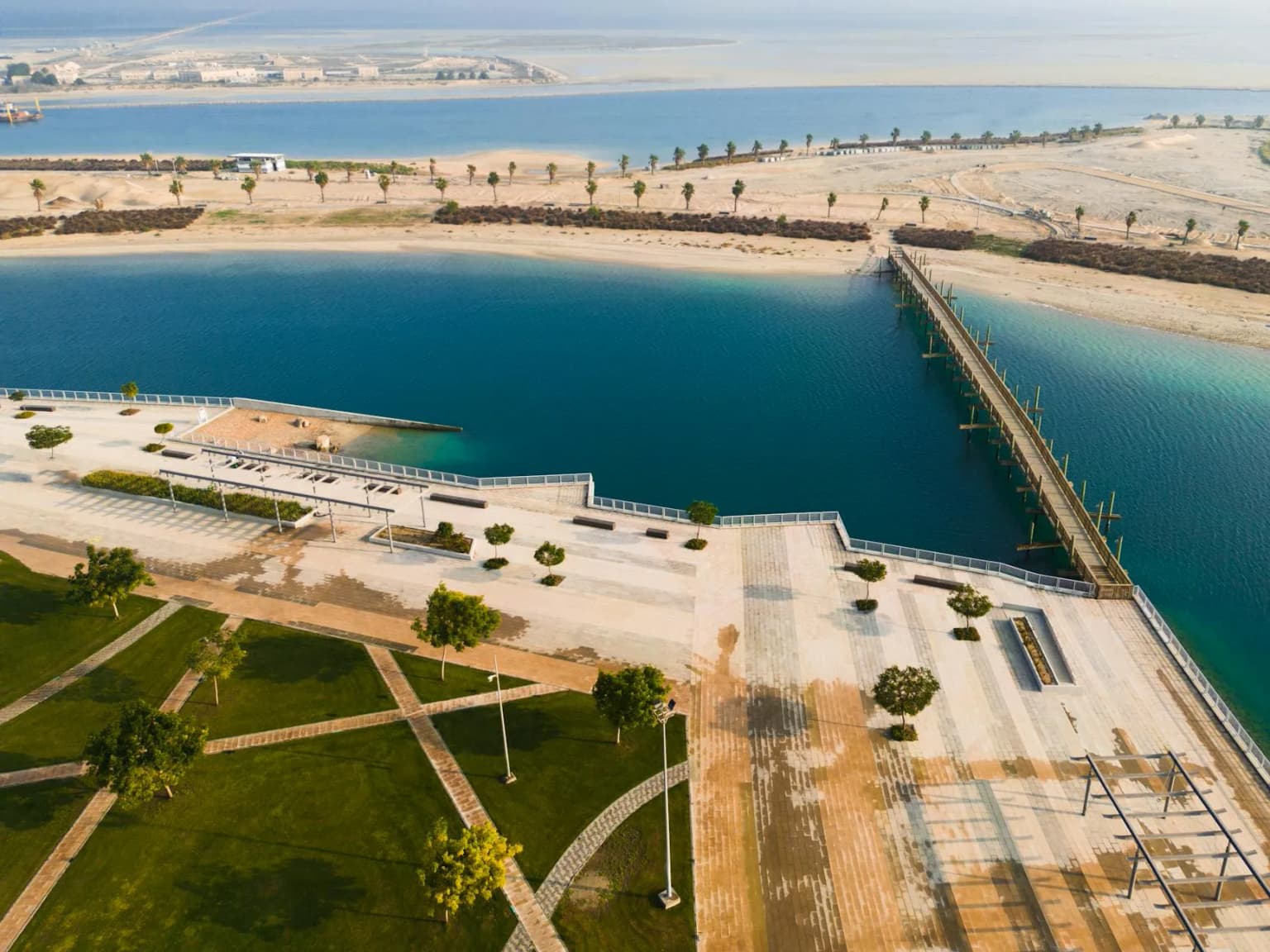
About Jubail
Jubail Industrial City is one of Saudi Arabia's most ambitious urban projects. Established in 1975 by a Royal Commission decree, it was built from scratch to become a world-class industrial hub. Today, Jubail is home to the Jubail Industrial City, one of the largest civil engineering projects in modern history, housing major SABIC and Saudi Aramco petrochemical plants, steel mills, and desalination facilities. The Royal Commission for Jubail (RCJ) manages the city with high standards for urban planning, environmental management, and quality of life, making it one of the most organized and green cities in Saudi Arabia.
A major industrial city developed by the Royal Commission, Jubail is home to one of the world's largest petrochemical complexes and offers well-planned modern living for industrial workers and engineers.
Located in Eastern Province, Jubail is home to 400,000 residents. The local economy runs on petrochemicals, steel manufacturing, water desalination, oil refining, fertilizer production, industrial services & maintenance, and the city has become a draw for international professionals looking for tax-free salaries and a growing quality of life. The expat community here numbers around ~100,000 expats (large proportion of workforce) people, primarily from Indian, Filipino, Pakistani, Egyptian.
For expats considering a move, Jubail has clear upsides. Well-planned city with modern infrastructure and green spaces. Major industrial employer with competitive salaries. Royal Commission manages city to high standards. The flip side is worth knowing too: Limited job diversity outside petrochemicals and industry. Industrial character may not appeal to everyone. None of this is a dealbreaker, but it helps to go in with realistic expectations. If you are in the early stages of planning, start with our guide to moving to Saudi Arabia and check the visa requirements for your nationality.
Things to Do in Jubail
Jubail, one of Saudi Arabia's major industrial cities on the Arabian Gulf coast, surprises visitors with its well-planned Royal Commission district, pristine beaches, and unique mangrove ecosystems. The Jubail Royal Commission area is a model of urban planning with wide boulevards, parks, and recreational facilities.
Beach
Fanateer Beach
Jubail's most popular family beach, Fanateer Beach stretches along the Arabian Gulf with clear turquoise waters and soft sandy shores. The beach is well-maintained with shaded areas, picnic spots, and play zones for children. Locals flock here on weekends for barbecues and swimming, and the calm, shallow waters make it ideal for families. Sunsets over the Gulf from Fanateer are particularly stunning.
Tip: Visit on weekdays for a quieter experience. Bring your own shade and supplies as facilities can be basic on some stretches.
Nature Reserve
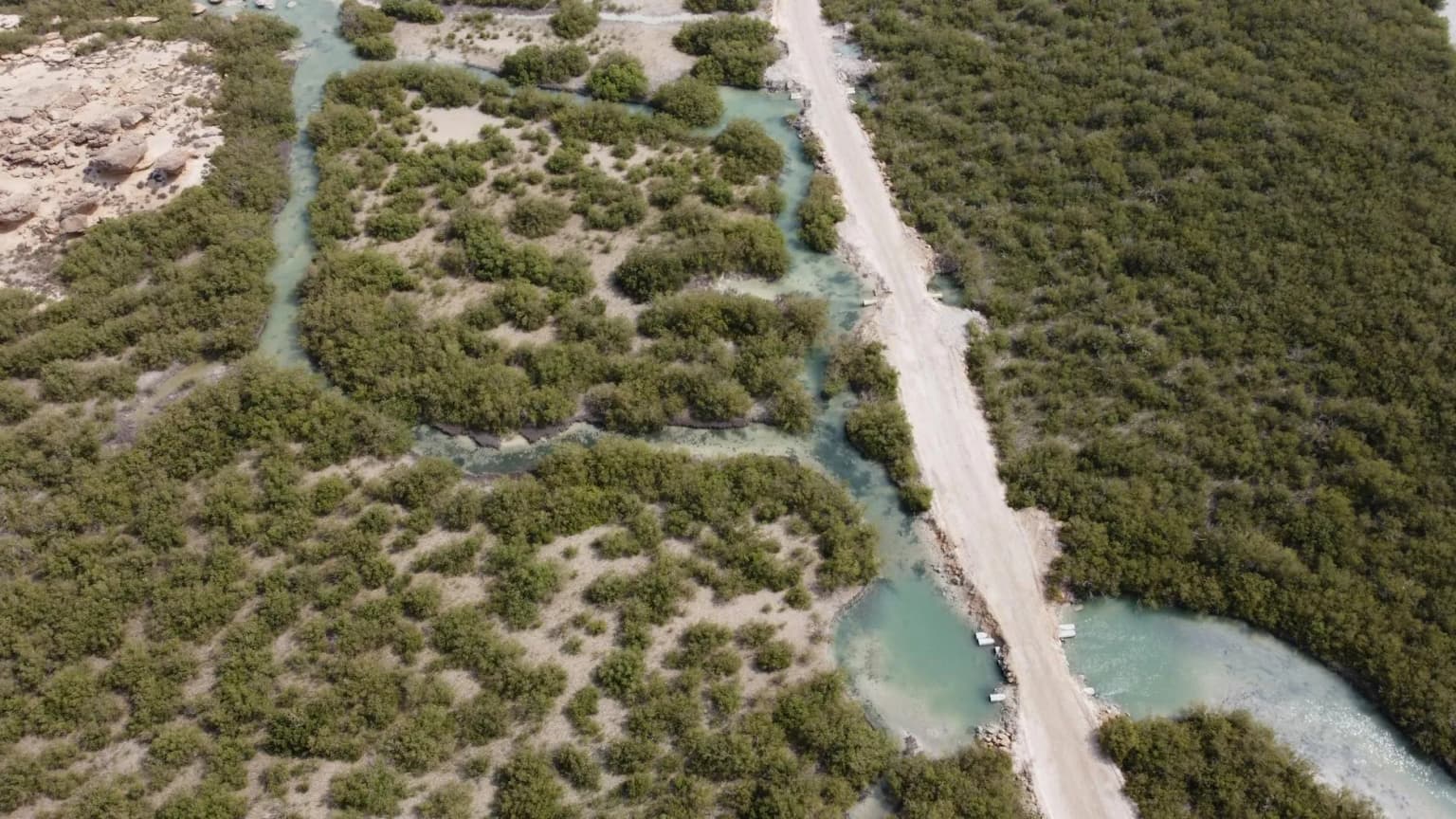
Jubail Mangrove Park
Home to one of the northernmost mangrove forests on Earth, Jubail Mangrove Park is a remarkable ecological treasure. Raised boardwalks wind through the dense mangrove trees, offering close encounters with the unique ecosystem. The park is a haven for birdwatchers, with flamingos, herons, and other wading birds regularly spotted feeding in the shallow tidal waters. The peaceful setting feels worlds away from the industrial city nearby.
Tip: Early morning is best for birdwatching, especially for flamingos. Bring binoculars and insect repellent.
Park
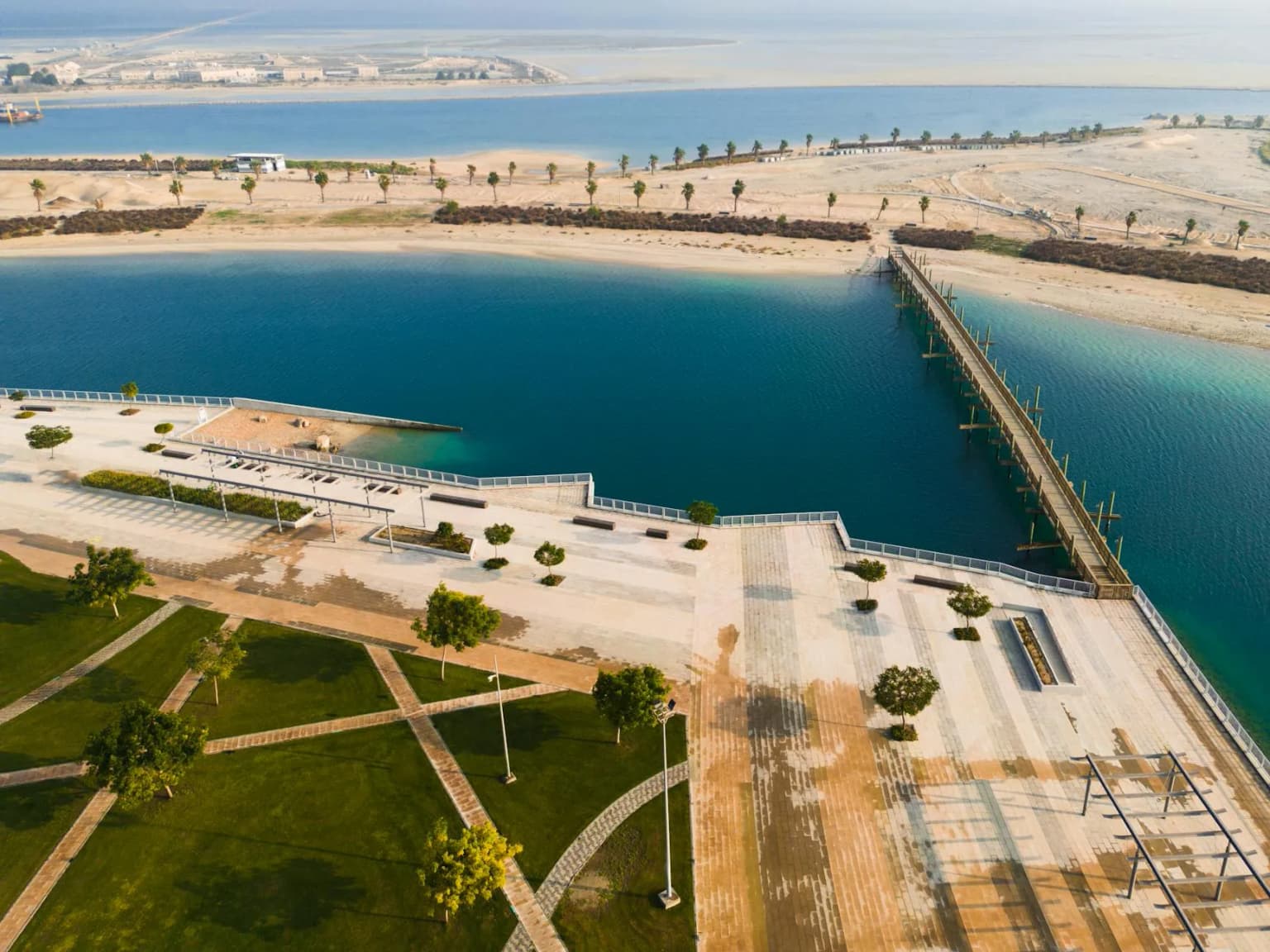
Royal Commission Parks
The Jubail Royal Commission area features beautifully landscaped parks with man-made lakes, tropical gardens, fountains, and shaded walking paths. These green spaces are meticulously maintained and offer a lush contrast to the surrounding desert landscape. Families gather here in the evenings for picnics, jogging, and cycling, making it the social heart of the Royal Commission district.
Marina
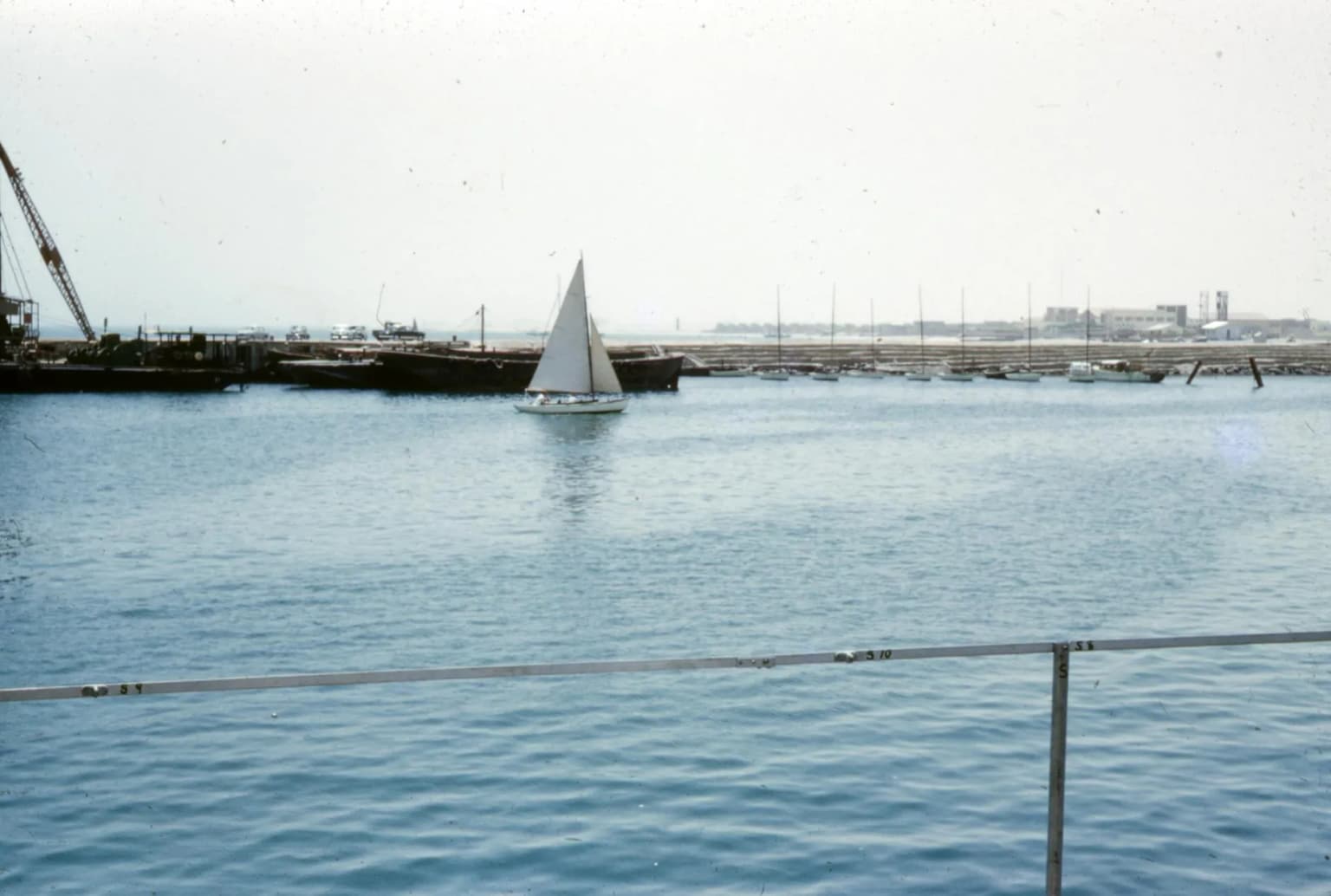
Jubail Marina
The Jubail Marina is the launching point for boat trips, fishing excursions, and diving adventures in the Arabian Gulf. Charter a boat for deep-sea fishing, join a dive trip to explore the Gulf's marine life, or simply enjoy water sports in the calm coastal waters. The marina area also offers a pleasant waterfront walk with views of moored boats and the open sea.
Tip: Book fishing and diving trips a day in advance, especially on weekends. Friday mornings are popular for family boat outings.
Hidden Gems
Beyond the well-known landmarks, Jubail has some lesser-known spots worth discovering:
Jubail Corniche Fishing Pier
A quiet fishing pier along the Jubail Corniche where local fishermen cast their lines at dawn and dusk. The pier offers panoramic Gulf views and a chance to watch traditional fishing techniques. On a good day, you might see dolphins playing in the waters offshore. Bring a fishing rod and join in - locals are friendly and happy to share tips.
Abu Ali Island Mudflats
A vast tidal mudflat area north of Jubail that attracts thousands of migratory birds, including flamingos, terns, and plovers. The remote, untouched landscape feels otherworldly at low tide when the flats stretch to the horizon. A paradise for serious birdwatchers and nature photographers seeking something completely off the tourist radar.
Royal Commission Community Library & Garden
A peaceful community library set within lush gardens in the Royal Commission district. The reading rooms are quiet and air-conditioned, and the surrounding garden features benches under shade trees, a small pond, and flowering plants. A tranquil escape that most visitors overlook in favor of the beaches and parks.
Day Trips from Jubail
Jubail's position on the northern Arabian Gulf coast provides easy access to the wider Eastern Province. The highway south leads to the bustling Dammam-Khobar metro area within an hour, while further afield the ancient Al Ahsa Oasis and historic Tarout Island offer fascinating cultural excursions.
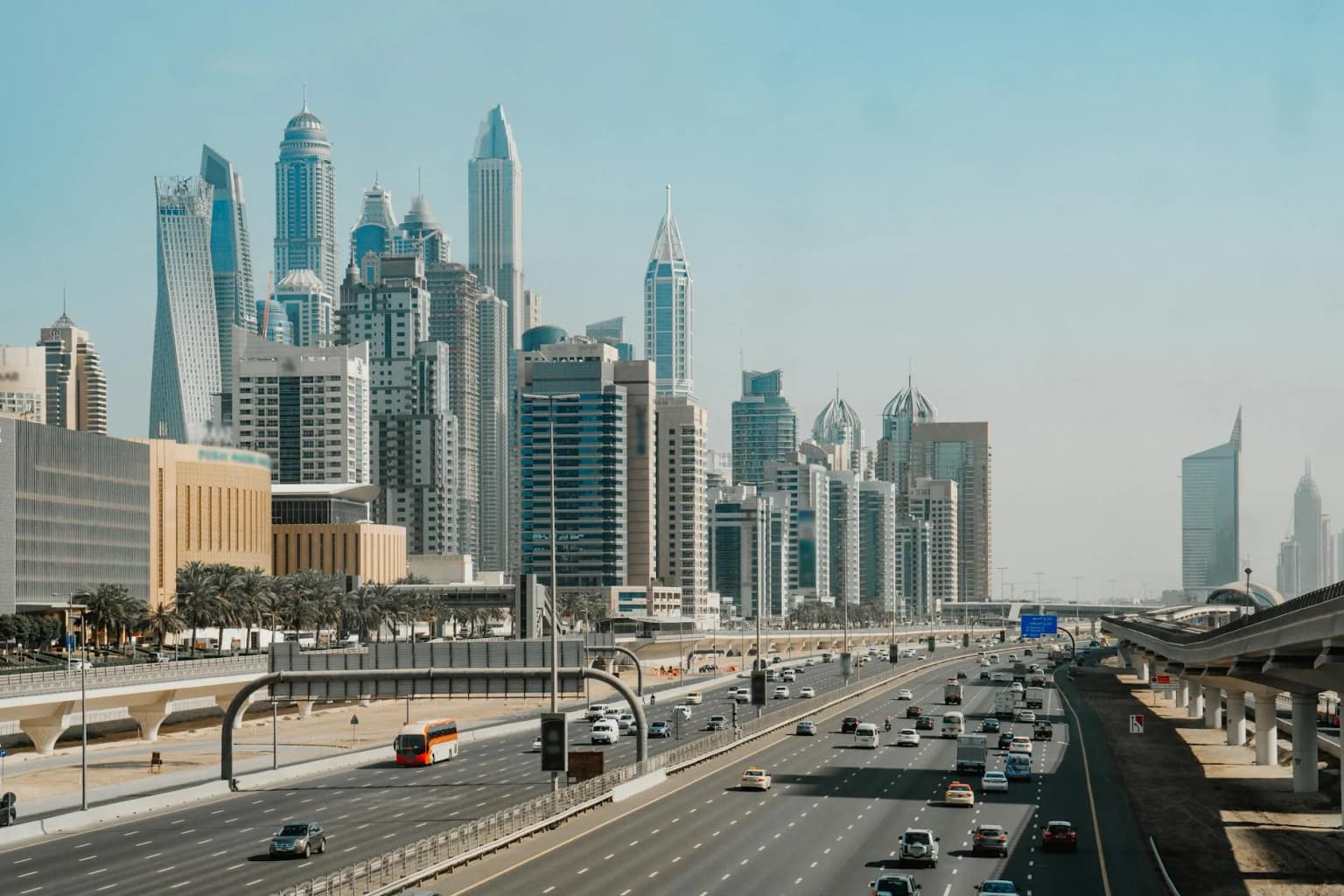
Dammam & Khobar
Head south to the Dammam-Khobar metropolitan area for a full day of exploration. Visit the King Abdulaziz Center for World Culture (Ithra) in Dhahran, stroll the Khobar Corniche, enjoy diverse dining options, and browse modern shopping malls. The Dammam Corniche and Heritage Village are also worth a visit.
62 miles (100 km) - 1 hour drive

Tarout Island
One of the oldest continuously inhabited places on Earth, Tarout Island is connected to the mainland by a causeway near Qatif. Explore the ruins of the Portuguese-era Tarout Castle, wander through traditional fishing villages, and visit the charming old souq. The island's palm groves and quiet streets offer a glimpse into Eastern Arabia's ancient past.
50 miles (80 km) - 50 minutes drive

Al Ahsa Oasis
A UNESCO World Heritage Site and the world's largest natural oasis, Al Ahsa boasts over 2.5 million date palms, natural springs, and historic architecture. Visit the impressive Qasr Ibrahim fort, explore the old town of Al Hofuf, and sample the famous Khalas dates at the bustling date market.
155 miles (250 km) - 2.5 hours drive
For a complete list of attractions, restaurants, and detailed itineraries, check out our full guide to things to do in Jubail.
Where to Eat in Jubail
Jubail's food scene revolves around fresh Gulf seafood, with fish and shrimp taking center stage. The city's fishing boats bring in daily catches of hamour, zubaidi, and shrimp that end up on dinner plates within hours. Dining options are mainly casual - this is not a fine-dining destination, but the freshness of the seafood more than compensates. The Royal Commission area offers the most variety with international restaurants catering to the large expatriate workforce. Expect to spend 25-60 SAR per meal.
Local dishes you should try include Grilled Hamour (Grouper) (fresh arabian gulf grouper grilled over charcoal with simple spices, 40-70 SAR), Machboos Rubyan (Shrimp Rice) (fragrant spiced rice cooked with gulf shrimp, dried lime, and bezar spice blend, 30-50 SAR), Fried Shrimp (jubail's gulf shrimp, battered and deep-fried until golden and crispy, 25-45 SAR), and Sayadieh (a traditional fisherman's dish of spiced rice topped with fried fish, caramelized onions, and a tangy tahini sauce, 30-55 SAR).
Restaurant Recommendations
Some places worth trying: Fanateer Seafood Restaurants in Fanateer Beach area (a cluster of casual seafood restaurants near fanateer beach serving the freshest gulf fish and shrimp, 40-80 SAR per person), Royal Commission International Restaurants in Royal Commission district (the royal commission district hosts a range of international dining options including indian, filipino, chinese, and arabic cuisines, 30-70 SAR per person), Al Baik (saudi arabia's beloved fried chicken chain with cult following, Under 20 SAR), and Jubail Fish Market Grills in Jubail fish market (small grill stalls adjacent to the local fish market where you can buy fresh catch and have it cooked on the spot, 25-60 SAR per person).
Dining Tips
Fresh seafood is the highlight here - always ask what was caught today for the best experience.
The Royal Commission area has the widest variety of restaurants. Outside this area, options are more limited.
Restaurants close briefly during the five daily prayer times, usually for 20-30 minutes.
Most restaurants accept card payments (mada, Visa, Mastercard, Apple Pay). Tipping 10% is appreciated but not mandatory.
Thursday and Friday evenings are the busiest times at popular restaurants. Go early to avoid waits.
There is no alcohol anywhere in Saudi Arabia.
Cost of Living in Jubail
Living costs in Jubail are 20-30% cheaper than Riyadh; Royal Commission housing is subsidized for qualifying workers compared to other major cities in the Gulf. A comfortable monthly budget falls between 3,500-10,000 SAR, covering rent, food, transport, and day-to-day expenses. Compared to Dubai, you can expect to spend 30-50% less. Compared to Abu Dhabi, 20-40% less. And with zero personal income tax in Saudi Arabia, your purchasing power goes further than the numbers suggest.
Housing
Rent for a one-bedroom apartment ranges from 2,000-6,000 SAR, depending on the neighborhood and apartment quality. City center locations and modern compounds are more expensive but offer better amenities and shorter commutes. Suburban standalone apartments give you more space for less money. Most landlords expect annual rent, often paid in 1-4 post-dated checks, and utilities run about 200-400 SAR per month per month. For details on how the process works, see our rental guide for Saudi Arabia.
Groceries, Food & Transport
A meal at a mid-range restaurant costs 15-70 SAR per meal. Monthly grocery shopping averages 500-1,000 SAR per month, with major supermarket chains like Tamimi, Panda, Danube, and Carrefour available. Transportation costs are Private car essential; ride-hailing limited - fuel is very affordable, ride-hailing through Uber and Careem works well, and most expats drive or use apps to get around.
Monthly Budget Breakdown
| Rent (1BR apartment) | 2,000-6,000 SAR |
| Utilities | 200-400 SAR per month |
| Groceries | 500-1,000 SAR per month |
| Transportation | Private car essential; ride-hailing limited |
| Restaurant meal | 15-70 SAR per meal |
| Total monthly budget | 3,500-10,000 SAR |
Use our cost of living calculator to get a personalized estimate based on your lifestyle.
Best Neighborhoods in Jubail
Where you live matters. Jubail has neighborhoods that range from gated expat compounds with pools and security to vibrant city center districts within walking distance of restaurants and offices. The right choice depends on your budget, whether you have a family, and how you want to live day-to-day.
| Neighborhood | Rent Level | Description |
|---|---|---|
| Jubail Industrial City (Royal Commission area) | Medium | Well-planned residential zones within the Royal Commission area with parks, schools, and community centers. |
| Al Fanateer | Medium-High | Waterfront area with a corniche, beach access, restaurants, and higher-end housing. |
| Old Jubail (Al Jubail town) | Low | The original fishing town with traditional character, affordable housing, and the old port area. |
| Al Deffi | Medium | Residential area with a mix of apartments and villas, close to commercial facilities. |
District Map
If you are coming with family, expat compounds are the path of least resistance. They come with security, shared amenities, social events, and other families in the same situation as you. If you are single or a couple without kids, a modern apartment in a central district puts you closer to restaurants, offices, and city life. Either way, visit the neighborhood in person before signing a lease. Drive around at different times of day, check the commute to your office, and look at what is nearby.
Jobs & Career Opportunities
The job market in Jubail is active, with an unemployment rate of Very low for technical and engineering roles. Average salaries sit around 8,000-22,000 SAR (industrial sector pays well), and because Saudi Arabia has no personal income tax, what you earn is what you keep. Saudization (Nitaqat) policies mean companies must hire a percentage of Saudi nationals, but many sectors still recruit heavily from abroad - especially in petrochemicals, steel manufacturing, water desalination.
Major employers in Jubail include SABIC, Saudi Aramco (refining & chemicals), Royal Commission for Jubail, Ma'aden (mining company), Sadara Chemical Company, Saline Water Conversion Corporation (SWCC). These companies regularly hire international talent and often provide comprehensive packages including housing, transportation allowances, annual flights home, and medical insurance for the whole family.
The fastest growing sectors are petrochemicals, steel & metals manufacturing, water desalination, renewable energy, environmental management, industrial maintenance & services, all driven by the Kingdom's Vision 2030 diversification strategy. If your skills align with any of these, you will find the job market receptive.
How to Find Work
LinkedIn is the primary recruitment channel in Saudi Arabia - update your profile with Jubail or Saudi Arabia as your preferred location. Major recruitment agencies like Hays, Robert Half, and Michael Page operate across the Kingdom. Bayt.com, GulfTalent, and Naukrigulf are the most used regional job boards. Apply directly on company career pages for the big employers. Networking matters more here than in most places - join professional groups, attend industry events, and connect with people already working in Jubail.
Work Culture
The work week runs Sunday to Thursday, typically 8 hours per day with reduced hours during Ramadan. You get a minimum of 21 days annual leave, increasing to 30 days after 5 years with the same employer. Typical expat packages include housing, transport, annual flights, medical insurance, and education allowances for children. When your contract ends, you receive an end-of-service gratuity based on your years of employment. For more on what to expect, read our Saudi working culture guide.
Getting Around Jubail
Jubail's Royal Commission district is one of the best-planned urban areas in Saudi Arabia, with wide, well-maintained roads, clear signage in Arabic and English, and logical grid-pattern streets. However, a car is essential for getting around as the city is spread out and public transport is minimal.
Car rental: The most practical way to explore Jubail and its surroundings. The Royal Commission area is easy to navigate with well-signposted roads. Major rental companies have offices in the city. Cost: 100-150 SAR per day for a basic sedan, fuel ~2.3 SAR/liter.
Ride-hailing (Uber & Careem): Both apps are available in Jubail but have fewer drivers than in Dammam or Khobar. Wait times can be longer, especially outside the Royal Commission area and during off-peak hours. Cost: 10-25 SAR for trips within the city.
Taxis: Traditional taxis are available but scarce. Ride-hailing apps are more reliable. Always agree on the fare before getting in if you do use a taxi. Cost: 15-40 SAR for most trips.
Walking & Cycling: The Royal Commission district has good pedestrian paths and some cycling infrastructure. Walking is pleasant in the cooler months along the Corniche and through the parks, but not practical for longer distances or during summer. Cost: Free.
Jubail does not have its own commercial airport. The nearest major airport is King Fahd International Airport (DMM) in Dammam, approximately 62 miles (100 km) south (about 1 hour by car). Some visitors also use Jubail's small domestic airport for limited Saudi Airlines flights. A ride-hailing trip to Dammam airport costs 120-180 SAR.
Driving in the Royal Commission area is straightforward - streets are laid out in a grid pattern with clear numbering and bilingual signage. Outside the Royal Commission zone, roads to the industrial areas can be congested during shift changes (early morning and late afternoon). The highway between Jubail and Dammam is well-maintained but can be monotonous - stay alert on long straight stretches.
Intercity travel: The main highway connects Jubail to Dammam (62 miles / 100 km, 1 hour) and onward to Khobar and Dhahran. SAPTCO buses run between Jubail and other Eastern Province cities. For longer distances, most travelers drive or fly from Dammam's King Fahd International Airport, which offers connections to Riyadh, Jeddah, and other Saudi cities (200-400 SAR one-way).
Expat Life in Jubail
Jubail has a well-established international community of around ~100,000 expats (large proportion of workforce) people, with the largest groups coming from Indian, Filipino, Pakistani, Egyptian, American, British, Korean. This is not a city where you will feel isolated. There are active expat groups, compound communities, professional networks, and social clubs that make it straightforward to build a social life from scratch.
Local groups like Jubail Expats, Jubail Industrial Community, Eastern Province Professionals organize regular social events, cultural activities, and networking opportunities. Compound living provides built-in community with sports leagues, family events, and shared facilities. If you live independently, online communities on Facebook and WhatsApp are the fastest way to connect with other expats in your area.
Jubail's culture is a blend of its roots as a small fishing village and its identity as a modern industrial city. The Royal Commission has worked to create a community-oriented culture with parks, recreation, and cultural events. The old town of Jubail retains some traditional Gulf fishing culture, while the industrial city has a more international, corporate atmosphere.
Healthcare
Jubail has several hospitals including Jubail General Hospital, Royal Commission Medical Center, and company-operated clinics. SABIC and Aramco operate their own medical facilities for employees. For specialized care, Dammam's hospitals are accessible within an hour. Employer-provided medical insurance is mandatory by law, and most private hospitals and clinics have English-speaking staff. Emergency services are available around the clock, and pharmacies are well-stocked and often open late.
Education
Jubail has 3 major universities, including Jubail Industrial College (top vocational institution in the Kingdom), Jubail University College (women's higher education). For expat families, international schools offering British, American, IB, and other curricula are available, along with nurseries and early childhood centers. School fees vary widely, but many employer packages include an education allowance.
Your First Month
When you first arrive, the priority list is straightforward: get your iqama (residence permit) processed through your employer, open a Saudi bank account, register on the Absher platform for government services, get a Saudi SIM card (STC, Mobily, or Zain), and either convert your driving license or start the process of getting a Saudi driving license. Most of this can be sorted within the first few weeks if your employer's PRO (public relations officer) is on top of things.
Climate & Practical Information
Summers in Jubail are very hot and humid, 100-118°f (38-48°c / 100-118°f) with high humidity (june-september), while winters are mild, 54-75°f (12-24°c / 54-75°f) (november-february). The city experiences very low, ~70mm annually. The best time to visit or move is between October and April when the weather is most pleasant.
Popular destinations near Jubail include Jubail Mangrove Reserve, Fanateer Beach and Corniche, Dammam and Khobar, Half Moon Bay, Historical Old Jubail Port. These are accessible for day trips or weekend getaways and give you a sense of the region beyond the city itself.
Useful Contacts
Emergency services: 911 (Riyadh and Eastern Province) or 999 (other regions). Traffic Police: 993. Ambulance: 997. Fire: 998. Essential apps include Absher (government services), Tawakkalna (digital ID), and your bank's app for managing payments through the mada network.
Ready to Move to Jubail?
Tax-free salaries, a growing international community, and a city that is changing fast. Start planning your move today.
Tours & Activities in Jubail
Discover the best tours, excursions, and activities available in and around Jubail. From cultural experiences to desert adventures, find something for every interest.