
About Medina
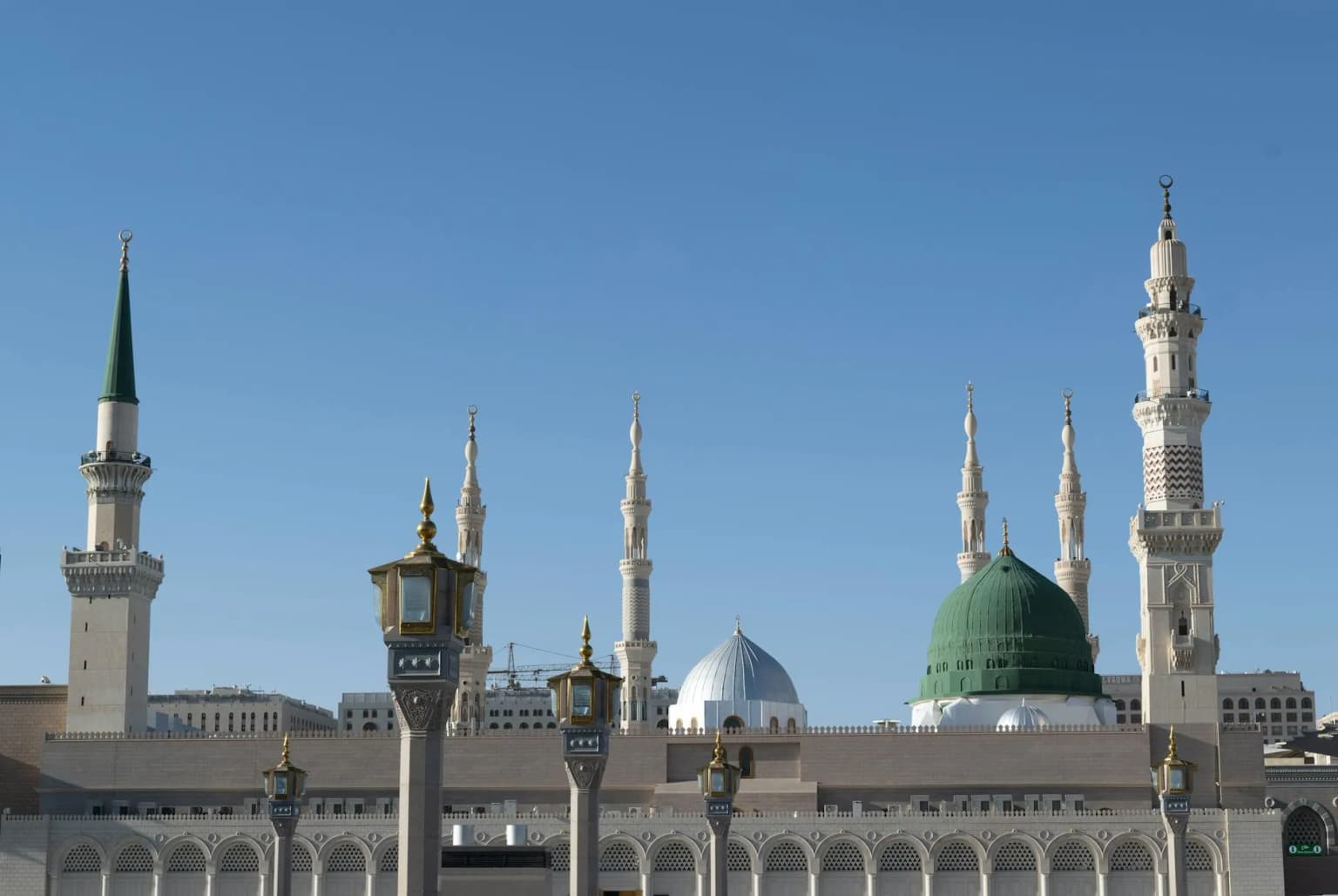
Medina (Al-Madinah Al-Munawwarah, meaning 'The Radiant City') is the second holiest city in Islam, home to the Prophet's Mosque (Al-Masjid an-Nabawi) where the Prophet Muhammad is buried. Unlike Mecca, non-Muslims may enter Medina but cannot enter the Prophet's Mosque. The city welcomes millions of pilgrims annually and has a gentler, more peaceful atmosphere than Mecca. Beyond religious tourism, Medina is developing its knowledge economy through the Islamic University and the Prince Mohammad bin Salman College of Business. The city is known for its date palm farms and the historical sites of early Islamic civilization.
The second holiest city in Islam and burial place of the Prophet Muhammad, Medina is a city of profound spiritual importance with a growing knowledge economy and agricultural heritage.
Located in Al-Madinah Region, Medina is home to 1.4 million residents. The local economy runs on religious tourism, agriculture (date production), education & islamic studies, hospitality & hotels, retail & commerce, knowledge economy, and the city has become a draw for international professionals looking for tax-free salaries and a growing quality of life. The expat community here numbers around ~300,000 expats people, primarily from Pakistani, Indian, Egyptian, Indonesian.
For expats considering a move, Medina has clear upsides. Deeply spiritual and peaceful atmosphere. Lower cost of living than Riyadh or Jeddah. Connected by Haramain High-Speed Railway to Jeddah and Mecca. The flip side is worth knowing too: Limited job diversity outside religious tourism and agriculture. Hot desert climate in summer. None of this is a dealbreaker, but it helps to go in with realistic expectations. If you are in the early stages of planning, start with our guide to moving to Saudi Arabia and check the visa requirements for your nationality.
Things to Do in Medina
Medina (Al-Madinah al-Munawwarah), the 'Radiant City,' is the second holiest city in Islam. It was the city that welcomed Prophet Muhammad after his migration from Mecca and served as the capital of the early Islamic state. The city is centered around Al-Masjid an-Nabawi (the Prophet's Mosque), one of the largest mosques in the world. The central area of Medina is restricted to Muslims only, though non-Muslims can visit surrounding areas.
Sacred Mosque
Al-Masjid an-Nabawi (Prophet's Mosque)
One of the largest mosques in the world and the burial place of Prophet Muhammad. The iconic Green Dome marks the location of the Prophet's tomb. With a capacity exceeding one million worshippers, the mosque features 250 retractable umbrellas that shade the vast marble courtyard during the day and fold at sunset, creating a mesmerizing spectacle.
Hours: Open 24/7, with brief closures for cleaning between prayers. Tickets: Free entry; Rawdah visits require reservation via Nusuk app. Tip: Arrive early for Fajr prayer to secure a spot in the Rawdah ash-Sharifah. Fridays are extremely crowded; weekday mornings are quieter.
Historic Mosque
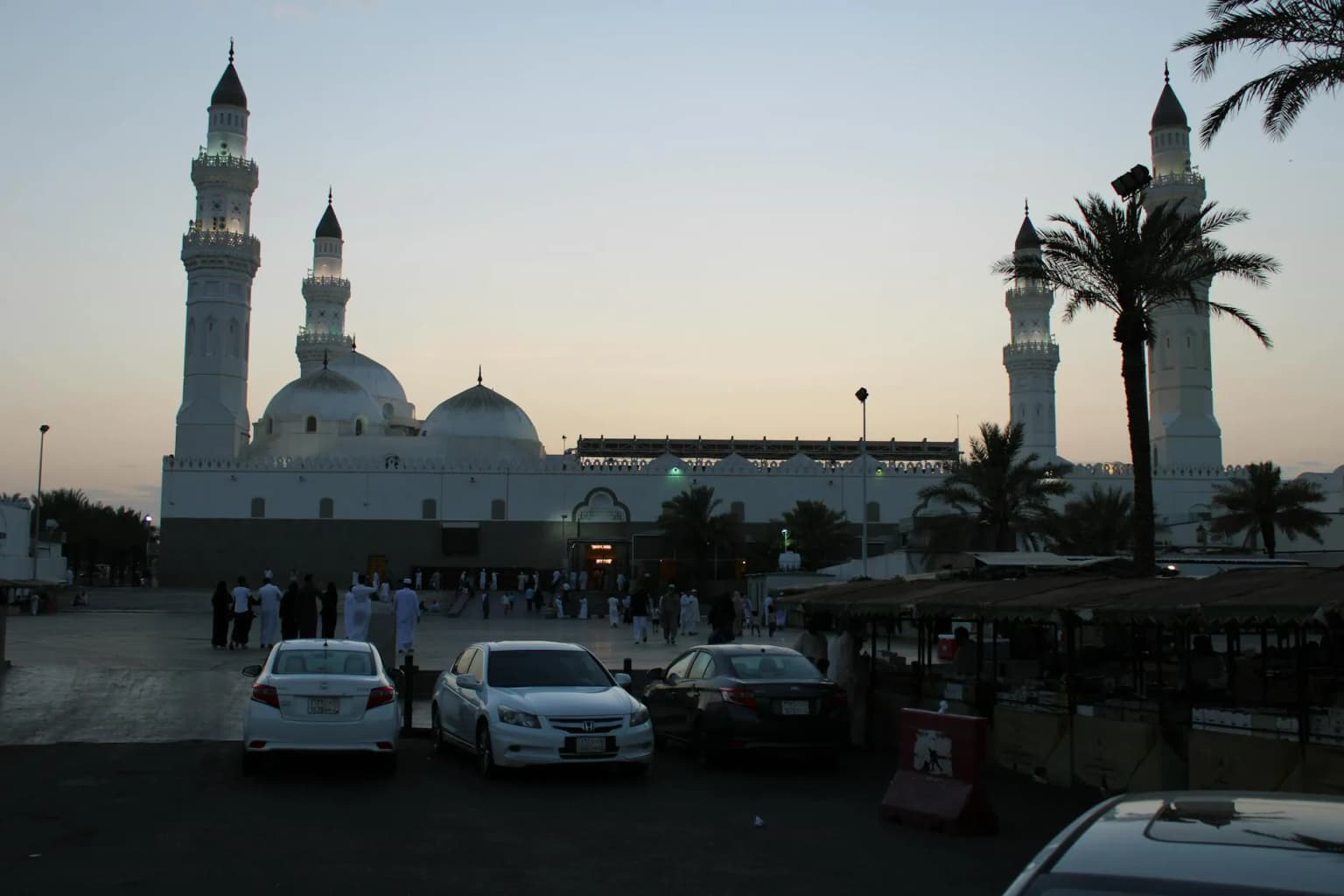
Quba Mosque
The first mosque ever built in Islamic history. Prophet Muhammad laid its foundation upon his arrival in Medina during the Hijrah. Praying two rak'ahs here is said to equal the reward of an Umrah. The current structure is a modern reconstruction with elegant white domes and minarets.
Hours: Open daily, 24/7. Tickets: Free. Tip: Visit on a Saturday morning following the Sunnah. The surrounding area has cafes and date shops perfect for a break.
Historic Site
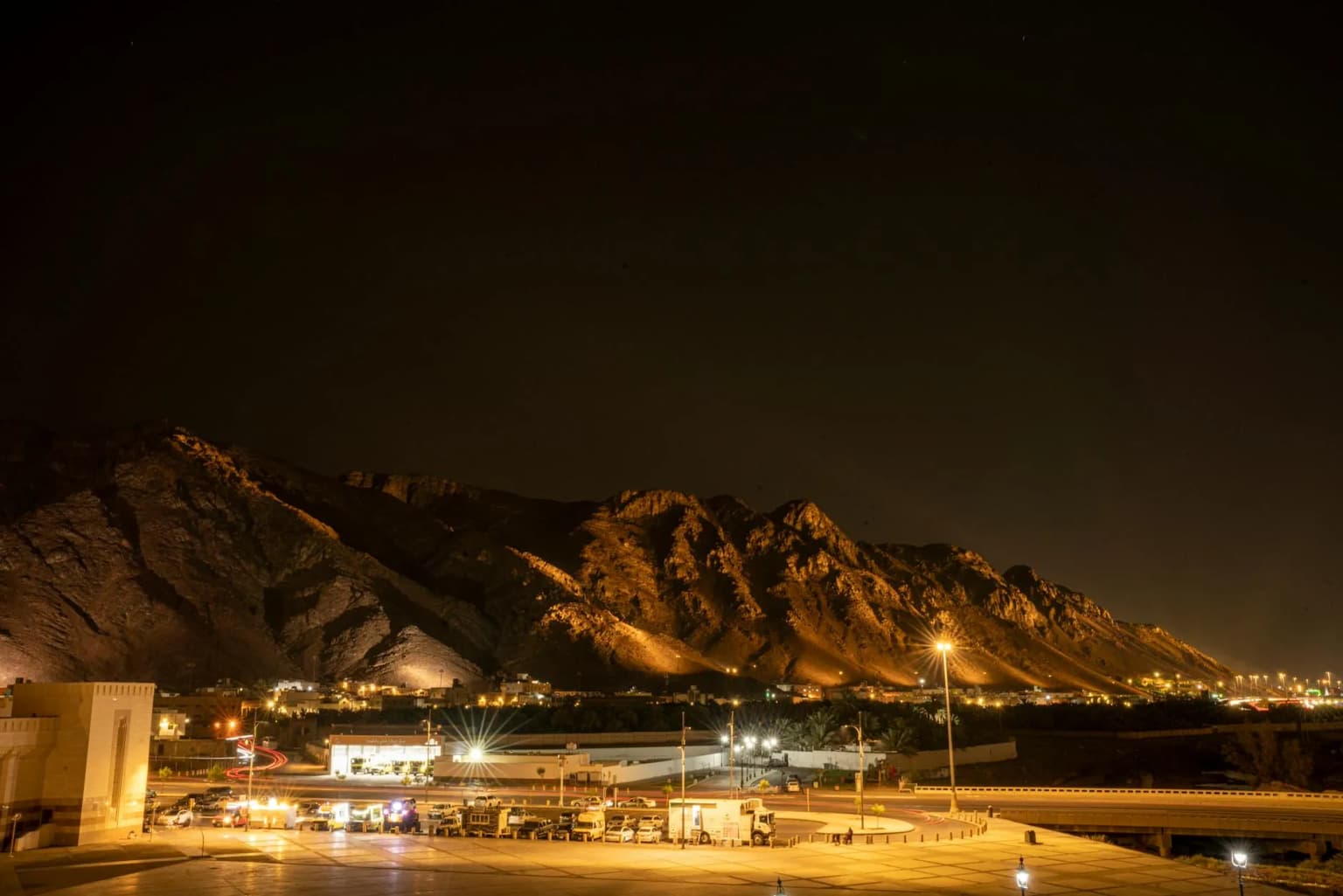
Mount Uhud
The site of the Battle of Uhud in 625 CE, one of the most significant events in early Islamic history. The mountain overlooks the Martyrs' Cemetery (Shuhada Uhud) where companions who fell in the battle are buried. Prophet Muhammad said, "Uhud is a mountain that loves us and we love it."
Hours: Outdoor site, accessible at all times. Tickets: Free. Tip: Go early morning or late afternoon to avoid the heat. The Martyrs' Cemetery is directly at the foot of the mountain. Guided tours provide historical context.
Sacred Site
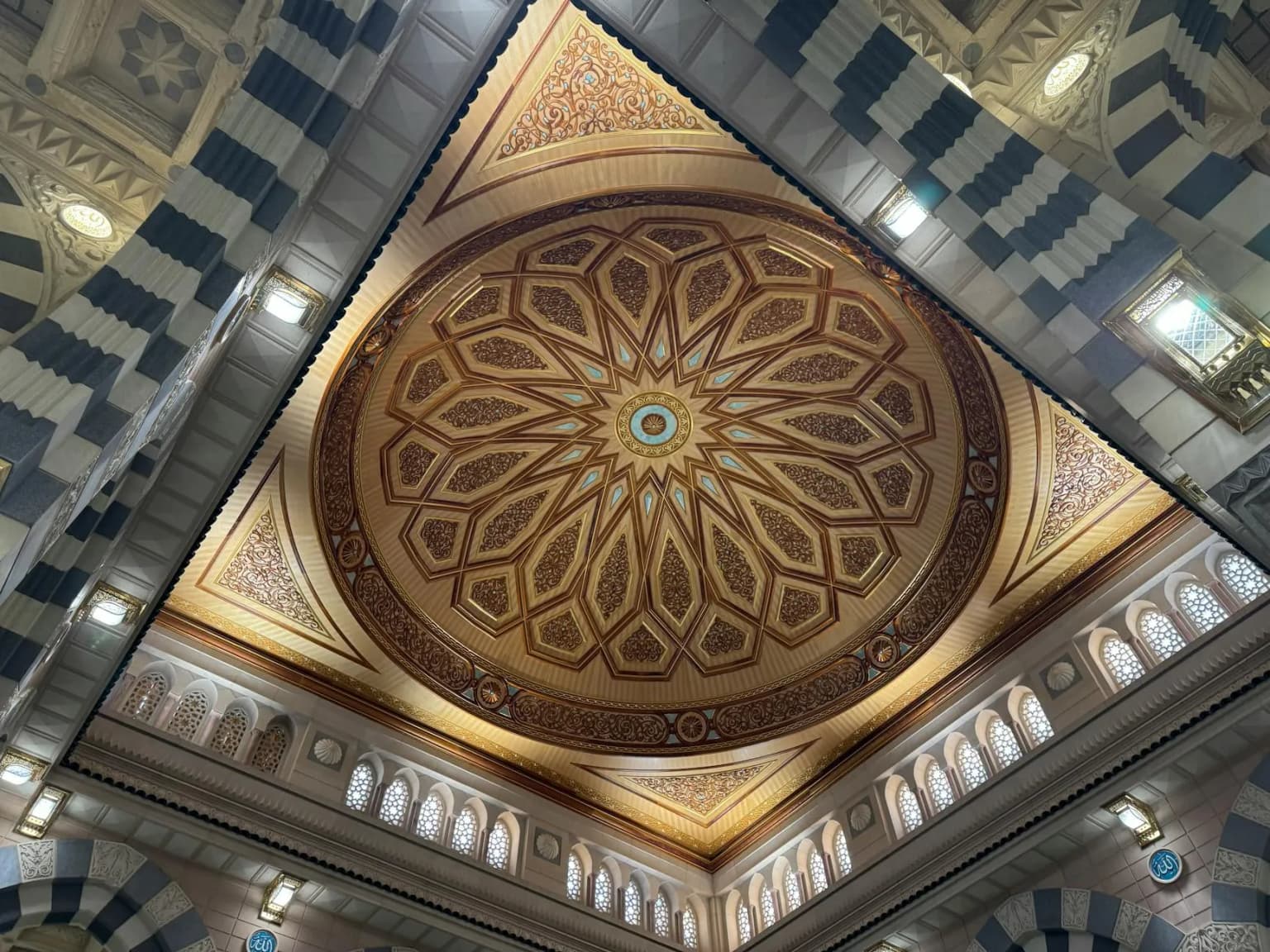
Al-Baqi Cemetery
Located adjacent to the Prophet's Mosque, Al-Baqi is the main cemetery of Medina and one of the most sacred burial grounds in Islam. It holds the graves of many of the Prophet's companions, family members, and early Muslims. The cemetery is a place of quiet reflection.
Hours: Open to visitors after Fajr and Asr prayers (men only inside). Tickets: Free. Tip: Visit after Fajr prayer when the gates open for visitors. Women can view the cemetery from the outer wall. Maintain respectful silence.
Cultural Experience
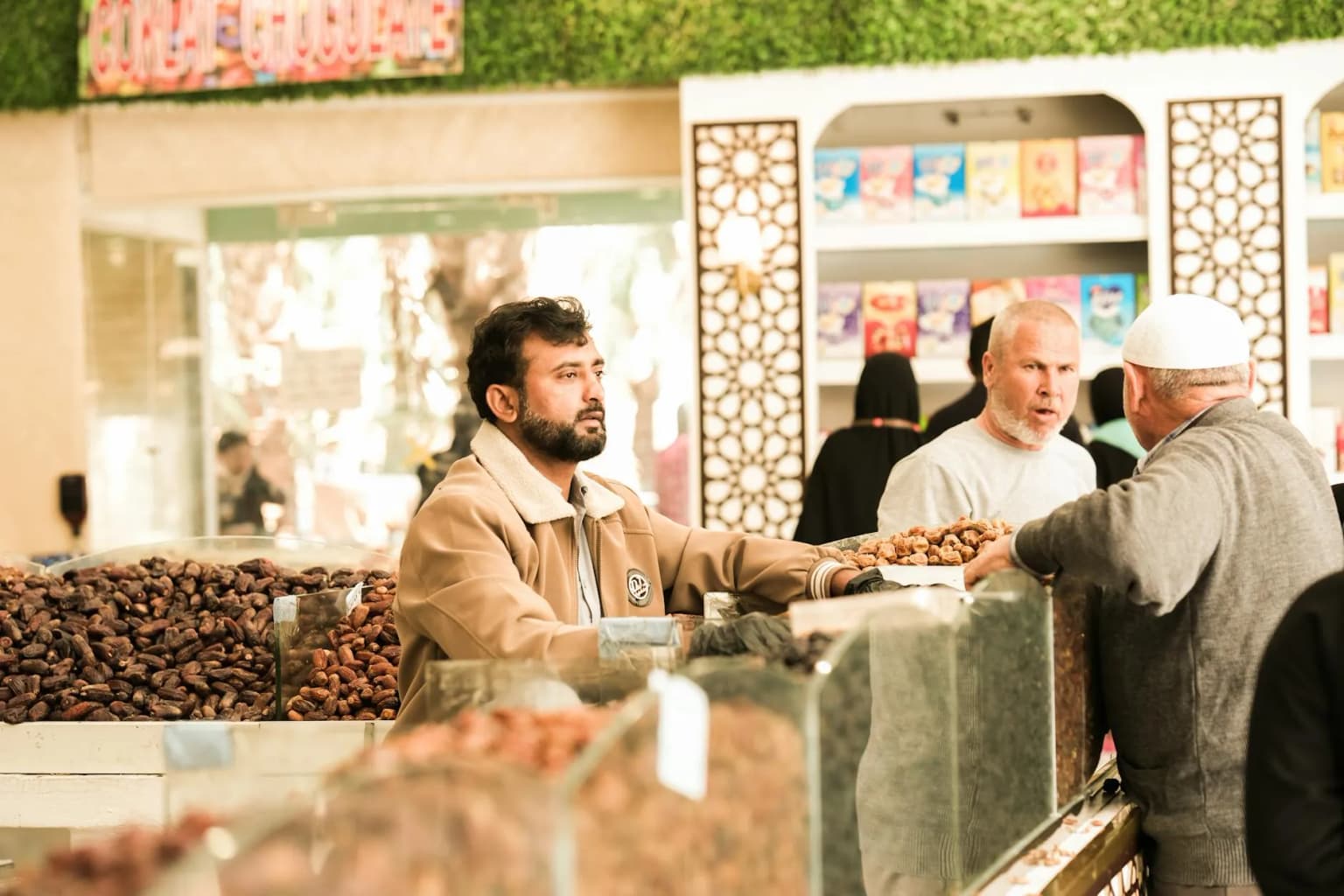
Medina Date Farms & Markets
Medina is world-renowned for its premium dates, especially the prized Ajwa variety believed to have been planted by the Prophet Muhammad himself. The date markets near the Prophet's Mosque offer hundreds of varieties, from soft Sukkari to the rich, dark Ajwa. Prices range from 30 to over 200 SAR per kilogram depending on grade and variety.
Hours: Markets open daily roughly 8 AM - 12 AM; busiest after Isha. Tickets: Free to browse; purchases vary by variety and grade. Tip: Ask for samples before buying. Ajwa dates from Medina are the most sought-after. Buy in bulk for better prices and check packaging dates for freshness.
Hidden Gems
Beyond the well-known landmarks, Medina has some lesser-known spots worth discovering:
Qiblatain Mosque
The "Mosque of the Two Qiblas" is where the command to change the direction of prayer from Jerusalem to Mecca was revealed during a congregational prayer. It is the only mosque in the world associated with two qibla directions, making it a unique piece of Islamic history. Recently renovated, the mosque features a striking modern design.
Hejaz Railway Station Museum
A beautifully restored Ottoman-era railway station that was once part of the legendary Hejaz Railway connecting Damascus to Medina. Built in 1908, the station now serves as a museum housing old locomotives, carriages, and photographs from the railway's heyday. It offers a fascinating glimpse into pre-oil Arabia and Ottoman-era infrastructure.
Wadi al-Aqiq Valley
A scenic valley on the western outskirts of Medina mentioned in several hadiths as a "blessed valley." Once an oasis lined with date palms and gardens, it still retains pockets of greenery and offers a quiet escape from the bustling city center. Locals come here for picnics, especially during the cooler months.
Day Trips from Medina
Medina's location in the Hejaz region provides access to stunning coastal towns, ancient oases, and archaeological wonders. Whether you are drawn to the coral reefs of Yanbu, the monumental tombs of Al Ula, or the historic oasis of Khaybar, each destination offers a compelling reason to venture beyond the city.
Yanbu
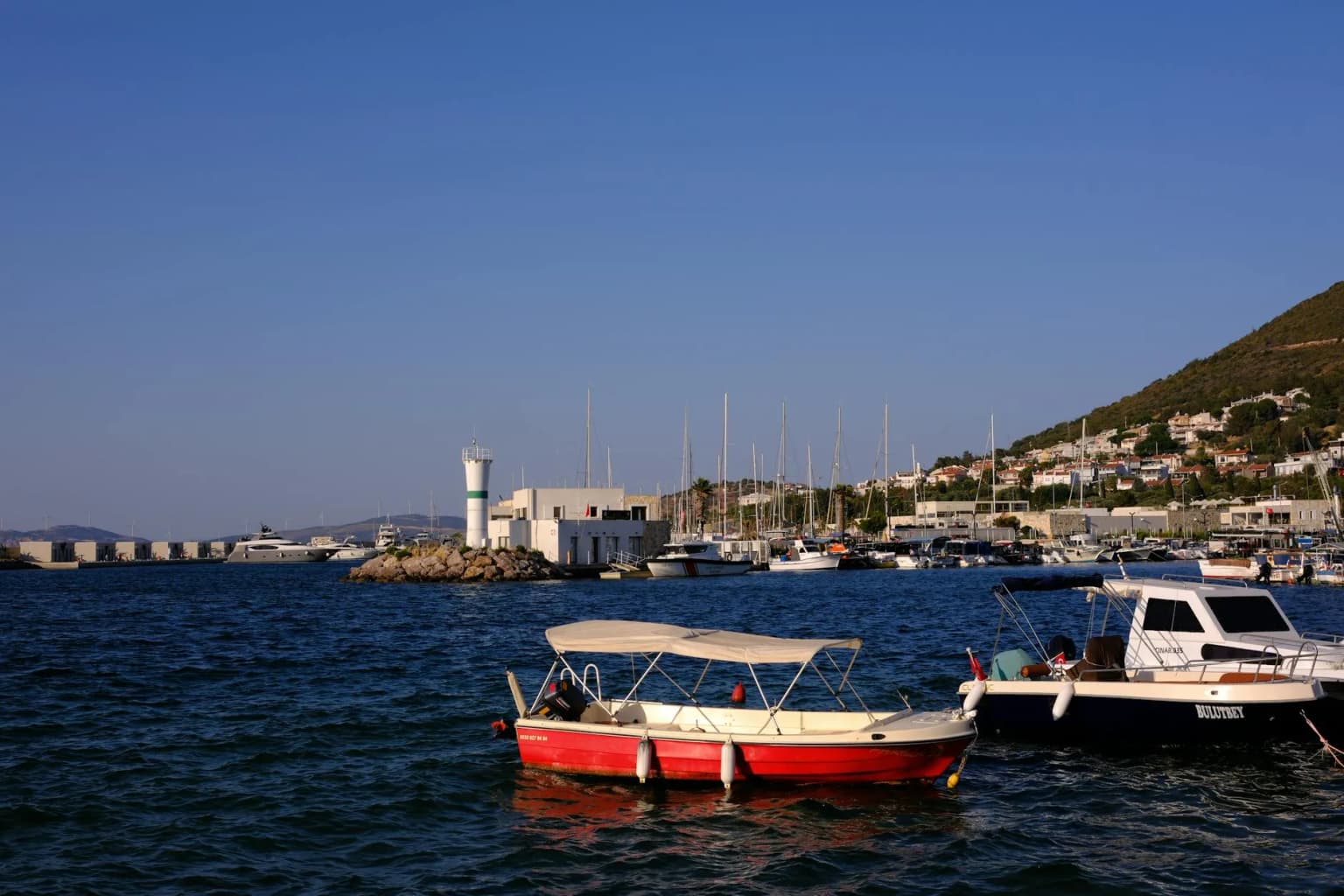
A Red Sea port city known for its pristine coral reefs, diving spots, and a charming historic district. Yanbu's waterfront corniche is perfect for an evening stroll, while the offshore islands offer some of the best snorkeling in Saudi Arabia. The old town features restored Ottoman-era buildings and a heritage museum.
149 miles (240 km) - 2.5 hours by car
Al Ula
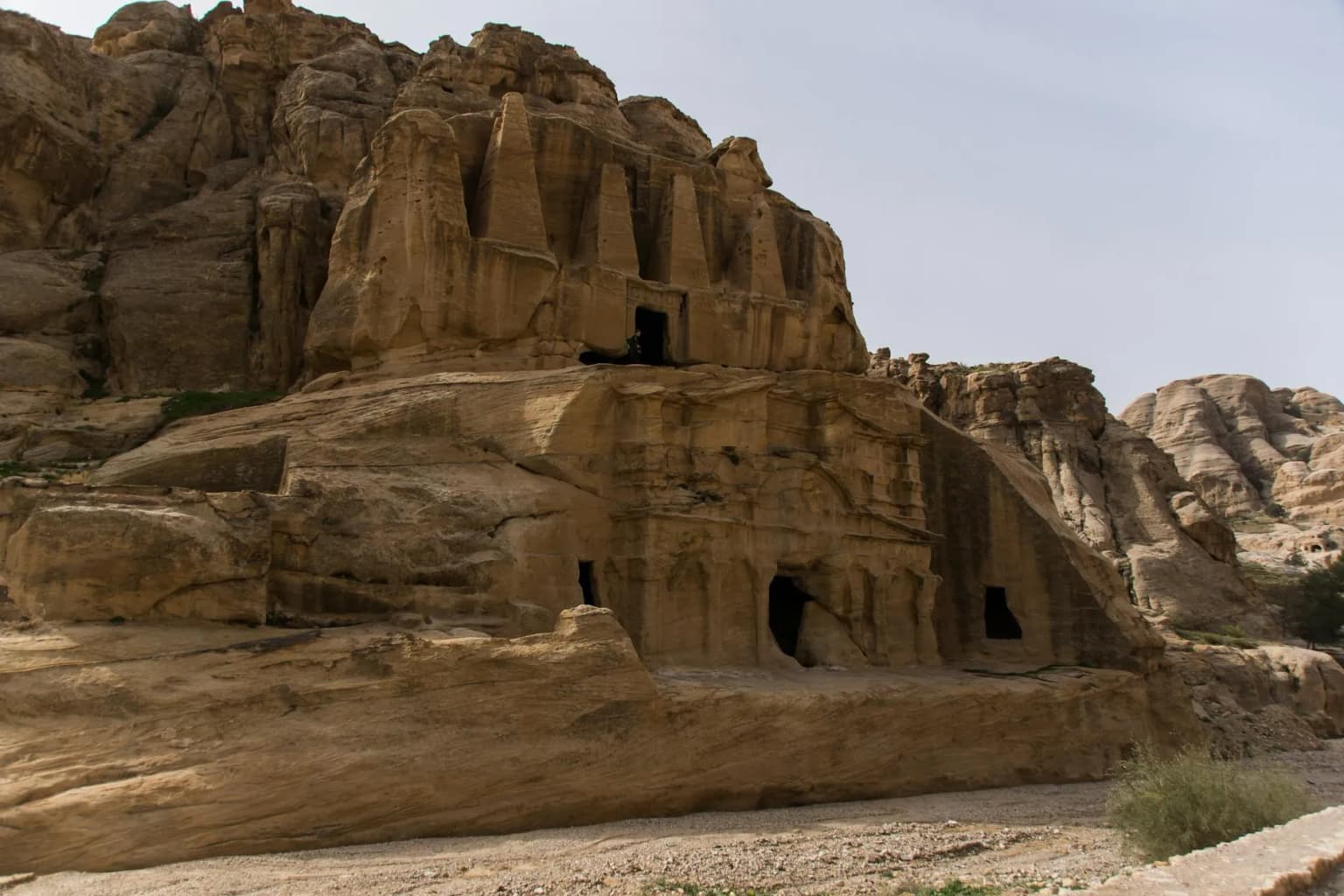
Home to Hegra (Madan Saleh), Saudi Arabia's first UNESCO World Heritage Site featuring over 100 Nabataean rock-cut tombs dating back 2,000 years. The dramatic desert landscape includes towering sandstone formations, ancient Dadanite inscriptions, and the mirror-clad Maraya concert hall. A full day is recommended to do it justice.
236 miles (380 km) - 4 hours by car

Khaybar
An ancient oasis town with a dramatic volcanic landscape, ruined fortresses, and some of the oldest date palm groves in Arabia. The historic Jewish fortresses perched on volcanic rock outcrops tell the story of early Islamic-era conflicts. The surrounding lava fields (harrat) create an otherworldly black-rock desert.
106 miles (170 km) - 2 hours by car
For a complete list of attractions, restaurants, and detailed itineraries, check out our full guide to things to do in Medina.
Where to Eat in Medina
Medina's culinary scene is deeply rooted in its role as a gathering place for pilgrims from across the Muslim world. The city is most famous for its dates - particularly the legendary Ajwa variety - but also offers a rich mix of Hijazi, Yemeni, and Turkish cuisines. The streets surrounding the Prophet's Mosque are lined with restaurants serving everything from traditional harees to sizzling shawarma, with most meals costing between 25 and 70 SAR.
Local dishes you should try include Ajwa Dates (medina's most prized export, ajwa dates are dark, soft, and subtly sweet with a slightly dry texture, 100-250 SAR/kg), Harees (a traditional wheat and meat porridge slow-cooked for hours until it reaches a smooth, creamy consistency, 25-40 SAR), Kabsa (saudi arabia's national dish of spiced rice layered with tender lamb or chicken, garnished with fried onions, raisins, and nuts, 30-60 SAR), Mutabbaq (a stuffed, pan-fried pastry filled with minced meat, egg, and herbs, popular as a street food breakfast or snack, 10-20 SAR), and Tamar Hindi (Tamarind Juice) (a sweet-tangy chilled drink made from tamarind pods, widely sold by street vendors especially after prayers, 5-10 SAR).
Restaurant Recommendations
Some places worth trying: Al Baik in Near Prophet's Mosque, southern side (the iconic saudi fried chicken chain has a massive presence near the haram area, 15-35 SAR), Al Romansiah in Multiple locations throughout Medina (popular chain specializing in traditional saudi kabsa and grilled meats, 35-70 SAR), Turkish Restaurant District in Old market area, north of the Haram (a cluster of turkish and ottoman-style restaurants in the old market area near bab al-majidi, serving kebabs, pide, and turkish tea, 30-60 SAR), Yemeni Mandi Restaurants in Qurban district (several yemeni eateries around the qurban area serve outstanding mandi - slow-smoked rice and meat cooked in underground clay ovens, 25-50 SAR), and Date Market Cafes in Date markets near Prophet's Mosque (small cafes inside and around the sprawling date souks offer fresh arabic coffee paired with premium dates, 10-30 SAR).
Dining Tips
Restaurants close briefly during prayer times (five times daily), so plan your meals accordingly.
The cheapest and most authentic meals are found in the streets a few blocks south and east of the Prophet's Mosque, away from the immediate Haram perimeter.
Many restaurants offer free Zamzam water; bring your own reusable bottle to fill up.
During Ramadan, free iftar meals are distributed at the Prophet's Mosque courtyard every evening.
Always try before you buy at date shops - vendors are happy to let you sample different varieties.
Fridays are the busiest day; restaurants near the mosque can have 30+ minute waits after Jumu'ah prayer.
Cost of Living in Medina
Living costs in Medina are 15-25% cheaper than Riyadh; accommodation prices increase during Hajj and Ramadan compared to other major cities in the Gulf. A comfortable monthly budget falls between 3,500-10,000 SAR, covering rent, food, transport, and day-to-day expenses. Compared to Dubai, you can expect to spend 30-50% less. Compared to Abu Dhabi, 20-40% less. And with zero personal income tax in Saudi Arabia, your purchasing power goes further than the numbers suggest.
Housing
Rent for a one-bedroom apartment ranges from 1,500-6,000 SAR, depending on the neighborhood and apartment quality. City center locations and modern compounds are more expensive but offer better amenities and shorter commutes. Suburban standalone apartments give you more space for less money. Most landlords expect annual rent, often paid in 1-4 post-dated checks, and utilities run about 200-450 SAR per month per month. For details on how the process works, see our rental guide for Saudi Arabia.
Groceries, Food & Transport
A meal at a mid-range restaurant costs 20-80 SAR per meal. Monthly grocery shopping averages 500-1,000 SAR per month, with major supermarket chains like Tamimi, Panda, Danube, and Carrefour available. Transportation costs are Taxis and ride-hailing: 8-20 SAR per trip - fuel is very affordable, ride-hailing through Uber and Careem works well, and most expats drive or use apps to get around.
Monthly Budget Breakdown
| Rent (1BR apartment) | 1,500-6,000 SAR |
| Utilities | 200-450 SAR per month |
| Groceries | 500-1,000 SAR per month |
| Transportation | Taxis and ride-hailing: 8-20 SAR per trip |
| Restaurant meal | 20-80 SAR per meal |
| Total monthly budget | 3,500-10,000 SAR |
Use our cost of living calculator to get a personalized estimate based on your lifestyle.
Best Neighborhoods in Medina
Where you live matters. Medina has neighborhoods that range from gated expat compounds with pools and security to vibrant city center districts within walking distance of restaurants and offices. The right choice depends on your budget, whether you have a family, and how you want to live day-to-day.
| Neighborhood | Rent Level | Description |
|---|---|---|
| Al Haram District | Very High | The area immediately surrounding the Prophet's Mosque, premium location for pilgrims and residents seeking proximity to the holy site. |
| Al Uyun | Medium | Modern residential area with good infrastructure, popular with families and university staff. |
| Quba | Medium | Historic area home to the Quba Mosque (first mosque in Islam), a mix of traditional and modern housing. |
| Al Iskan | Low-Medium | Residential area with affordable housing, good for families on a budget. |
| Knowledge Economic City (KEC) | Medium-High | A planned city development on the outskirts featuring modern housing, business parks, and educational institutions. |
District Map
If you are coming with family, expat compounds are the path of least resistance. They come with security, shared amenities, social events, and other families in the same situation as you. If you are single or a couple without kids, a modern apartment in a central district puts you closer to restaurants, offices, and city life. Either way, visit the neighborhood in person before signing a lease. Drive around at different times of day, check the commute to your office, and look at what is nearby.
Jobs & Career Opportunities
The job market in Medina is active, with an unemployment rate of Moderate; seasonal peaks during religious tourism periods. Average salaries sit around 5,000-12,000 SAR, and because Saudi Arabia has no personal income tax, what you earn is what you keep. Saudization (Nitaqat) policies mean companies must hire a percentage of Saudi nationals, but many sectors still recruit heavily from abroad - especially in religious tourism, agriculture (date production), education & islamic studies.
Major employers in Medina include General Presidency for the Prophet's Mosque, Islamic University of Madinah, Taibah University, Knowledge Economic City (KEC), Pilgrim service agencies, Date farming and processing companies. These companies regularly hire international talent and often provide comprehensive packages including housing, transportation allowances, annual flights home, and medical insurance for the whole family.
The fastest growing sectors are religious tourism, education & research, agriculture & food processing, hospitality, knowledge economy, healthcare, all driven by the Kingdom's Vision 2030 diversification strategy. If your skills align with any of these, you will find the job market receptive.
How to Find Work
LinkedIn is the primary recruitment channel in Saudi Arabia - update your profile with Medina or Saudi Arabia as your preferred location. Major recruitment agencies like Hays, Robert Half, and Michael Page operate across the Kingdom. Bayt.com, GulfTalent, and Naukrigulf are the most used regional job boards. Apply directly on company career pages for the big employers. Networking matters more here than in most places - join professional groups, attend industry events, and connect with people already working in Medina.
Work Culture
The work week runs Sunday to Thursday, typically 8 hours per day with reduced hours during Ramadan. You get a minimum of 21 days annual leave, increasing to 30 days after 5 years with the same employer. Typical expat packages include housing, transport, annual flights, medical insurance, and education allowances for children. When your contract ends, you receive an end-of-service gratuity based on your years of employment. For more on what to expect, read our Saudi working culture guide.
Getting Around Medina
The area immediately surrounding the Prophet's Mosque is highly pedestrian-friendly, with covered and air-conditioned walkways connecting hotels to the Haram from multiple directions. Beyond the central zone, ride-hailing apps are the most convenient way to get around, while free shuttle buses serve many hotel districts.
Walking: The central Haram area is best explored on foot. Covered walkways and climate-controlled corridors connect the Prophet's Mosque to most nearby hotels and shopping areas, making walking comfortable even in warm weather. Cost: Free.
Free Shuttle Buses: Many hotels and the municipality operate free shuttle services between hotel districts and the Prophet's Mosque. Routes run frequently, especially around prayer times. Ask your hotel for the nearest shuttle stop and schedule. Cost: Free.
Uber / Careem: Ride-hailing apps are the easiest way to reach sites beyond walking distance. Mount Uhud is about 4 miles (7 km) north, and Quba Mosque is 2 miles (3.5 km) south of the Haram. Rides are affordable and drivers are familiar with all the major religious sites. Cost: 10-30 SAR for most trips within Medina.
Taxis: Metered taxis are available but less common than app-based rides. Always confirm the meter is running or agree on a price before departure. Taxis tend to cluster around the Haram gates. Cost: 15-40 SAR for city trips.
Haramain High-Speed Rail: The Haramain Railway connects Medina to Jeddah (approximately 2 hours) and Mecca (2.5 hours) at speeds up to 186 mph (300 km/h). The modern station is about 6 miles (10 km) from the city center. Book tickets via the SAR app or at the station. Cost: 150-250 SAR depending on class and destination.
Prince Mohammad bin Abdulaziz International Airport (MED) is located about 9 miles (15 km) northeast of the city center. It serves domestic flights to Riyadh, Jeddah, and Dammam, as well as international routes. The airport has two terminals. Uber and Careem operate from the arrivals area, and taxis are available at fixed rates (approximately 50-80 SAR to the Haram area).
Driving in central Medina is challenging due to heavy traffic, especially during Hajj and Umrah seasons. The area immediately around the Haram has numerous one-way streets and restricted zones. If you rent a car, use it primarily for day trips to Mount Uhud, Quba, or out-of-city destinations. Hotel parking is limited near the Haram; look for hotels with dedicated parking or use paid lots.
Intercity travel: The Haramain High-Speed Rail is the best option for traveling to Jeddah (2 hours) and Mecca (2.5 hours). SAPTCO buses connect Medina to Riyadh (approximately 10 hours), Tabuk, and other cities at lower prices. For day trips to Al Ula, Yanbu, or Khaybar, renting a car is the most flexible option. Domestic flights from Prince Mohammad bin Abdulaziz Airport (MED) connect to all major Saudi cities.
Expat Life in Medina
Medina has a well-established international community of around ~300,000 expats people, with the largest groups coming from Pakistani, Indian, Egyptian, Indonesian, Bangladeshi, Yemeni, Nigerian, Malaysian. This is not a city where you will feel isolated. There are active expat groups, compound communities, professional networks, and social clubs that make it straightforward to build a social life from scratch.
Local groups like Madinah International Community, Islamic University Students Network, Medina Expats Group organize regular social events, cultural activities, and networking opportunities. Compound living provides built-in community with sports leagues, family events, and shared facilities. If you live independently, online communities on Facebook and WhatsApp are the fastest way to connect with other expats in your area.
Medina's culture is characterized by deep spirituality, hospitality, and scholarly tradition. The city has been a center of Islamic learning for over 1,400 years. Local customs emphasize generosity toward visitors, and the Madinah dates (especially Ajwa) are world-renowned. The city maintains a serene, contemplative atmosphere that distinguishes it from the busier Saudi cities.
Healthcare
Medina has several major hospitals including Madinah General Hospital, King Fahad Hospital, and Ohud Hospital. Private healthcare facilities include Dr. Soliman Fakeeh Hospital and Saudi German Hospital. Medical services expand significantly during Hajj season to serve pilgrims. Employer-provided medical insurance is mandatory by law, and most private hospitals and clinics have English-speaking staff. Emergency services are available around the clock, and pharmacies are well-stocked and often open late.
Education
Medina has 3 major universities, including Islamic University of Madinah (premier institution for Islamic studies globally), Taibah University (comprehensive public university), Prince Mohammad bin Salman College. For expat families, international schools offering British, American, IB, and other curricula are available, along with nurseries and early childhood centers. School fees vary widely, but many employer packages include an education allowance.
Your First Month
When you first arrive, the priority list is straightforward: get your iqama (residence permit) processed through your employer, open a Saudi bank account, register on the Absher platform for government services, get a Saudi SIM card (STC, Mobily, or Zain), and either convert your driving license or start the process of getting a Saudi driving license. Most of this can be sorted within the first few weeks if your employer's PRO (public relations officer) is on top of things.
Climate & Practical Information
Summers in Medina are very hot and dry, 100-113°f (38-45°c / 100-113°f) (june-september), while winters are mild and pleasant, 54-77°f (12-25°c / 54-77°f) with cool nights (november-february). The city experiences very low, ~60mm annually; rare winter showers. The best time to visit or move is between October and April when the weather is most pleasant.
Popular destinations near Medina include Al Ula and Hegra (Madain Saleh), Mount Uhud, Quba Mosque, Hejaz Railway Station, Date Farms and Orchards, Yanbu (Red Sea Coast). These are accessible for day trips or weekend getaways and give you a sense of the region beyond the city itself.
Useful Contacts
Emergency services: 911 (Riyadh and Eastern Province) or 999 (other regions). Traffic Police: 993. Ambulance: 997. Fire: 998. Essential apps include Absher (government services), Tawakkalna (digital ID), and your bank's app for managing payments through the mada network.
Ready to Move to Medina?
Tax-free salaries, a growing international community, and a city that is changing fast. Start planning your move today.
Tours & Activities in Medina
Discover the best tours, excursions, and activities available in and around Medina. From cultural experiences to desert adventures, find something for every interest.