
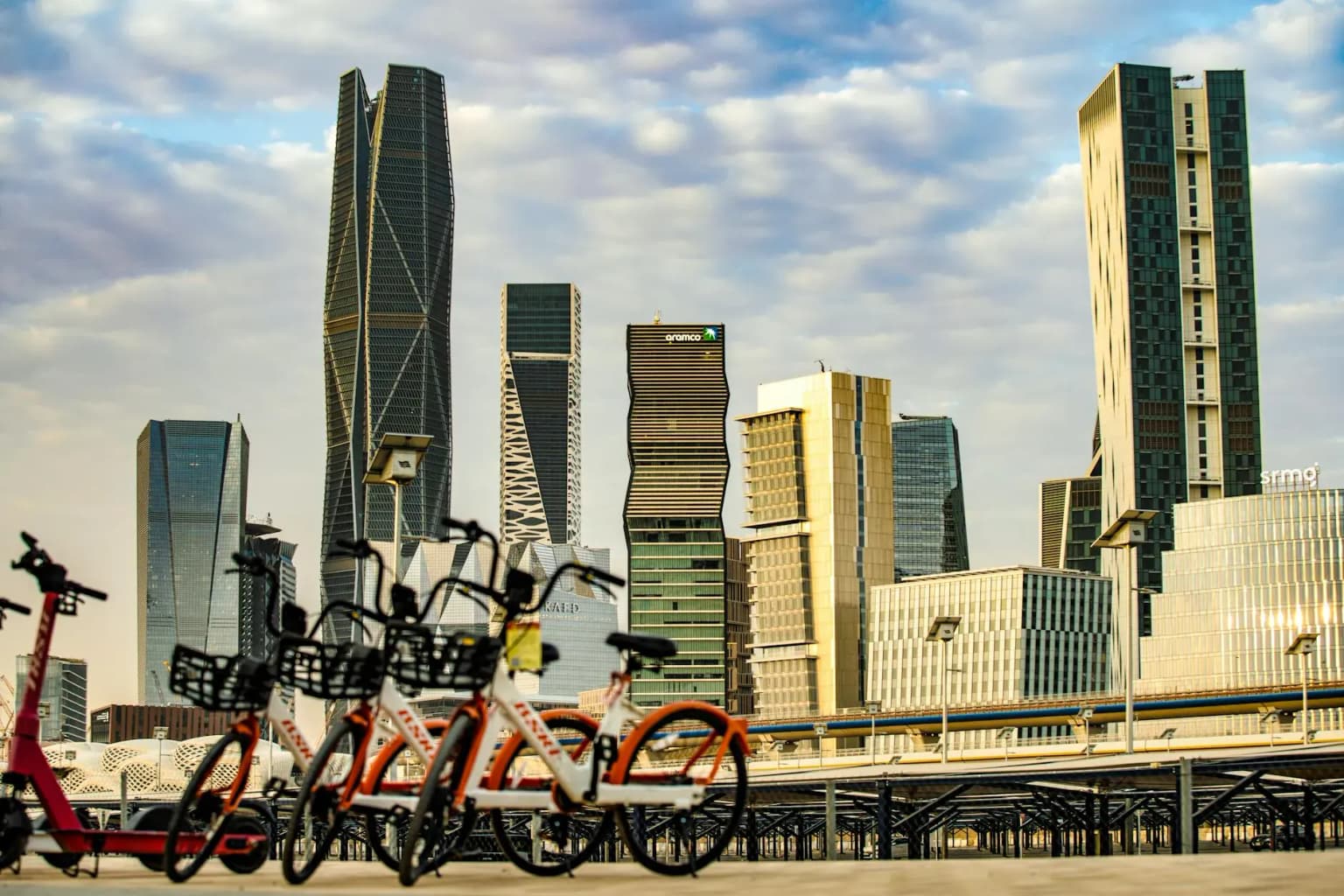
About Riyadh
Riyadh is a sprawling desert capital that has transformed from a walled mud-brick city into one of the Middle East's most dynamic metropolises. Home to the headquarters of Saudi Aramco, SABIC, and major government ministries, it is the Kingdom's engine of economic growth. Vision 2030 mega-projects such as King Abdullah Financial District, Diriyah Gate, and the Riyadh Metro are reshaping the city. With a young, diverse population and an expanding entertainment sector, Riyadh is increasingly attractive to international professionals and investors.
Saudi Arabia's capital and largest city, Riyadh is the political, economic, and administrative center of the Kingdom. A rapidly modernizing metropolis at the heart of Vision 2030, it offers world-class career opportunities and a growing quality of life.
Located in Riyadh Region, Riyadh is home to 7.7 million residents. The local economy runs on oil & gas (upstream management), finance & banking, government & public sector, information technology, construction & real estate, defense & military, retail & e-commerce, and the city has become a draw for international professionals looking for tax-free salaries and a growing quality of life. The expat community here numbers around 2+ million expats people, primarily from Indian, Pakistani, Filipino, Egyptian.
For expats considering a move, Riyadh has clear upsides. Largest job market in Saudi Arabia with diverse opportunities. Headquarters of major Saudi and international companies. No income tax on salaries. The flip side is worth knowing too: Extreme summer heat exceeding 113°F (45°C). Sprawling city requiring a car for most daily activities. None of this is a dealbreaker, but it helps to go in with realistic expectations. If you are in the early stages of planning, start with our guide to moving to Saudi Arabia and check the visa requirements for your nationality.
Things to Do in Riyadh
Riyadh, Saudi Arabia's sprawling capital, has transformed from a walled desert city into one of the Middle East's most dynamic metropolises. Under Vision 2030, the city is experiencing unprecedented development with mega-projects reshaping its skyline and cultural landscape. From the UNESCO-listed Diriyah district to the futuristic Kingdom Centre Tower, Riyadh offers visitors a fascinating blend of ancient Arabian heritage and bold modernity.
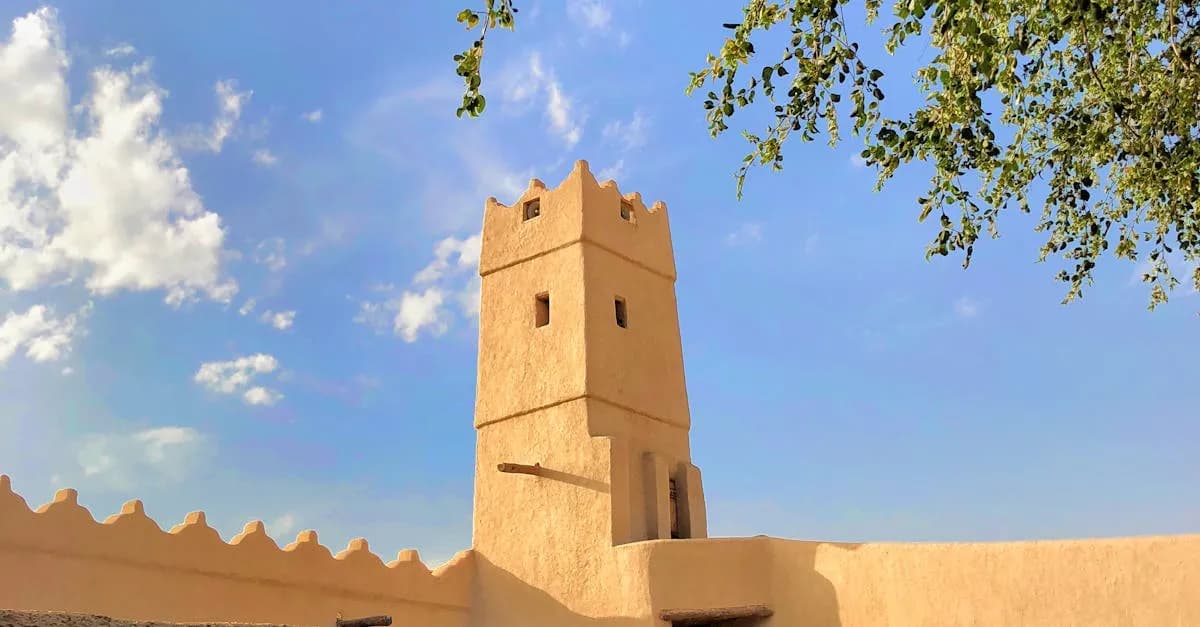
UNESCO Heritage Site
Diriyah (At-Turaif District)
This UNESCO World Heritage Site is the birthplace of the first Saudi state and the ancestral home of the Al Saud royal family. The restored mud-brick palaces and mosques of At-Turaif showcase traditional Najdi architecture. The surrounding Diriyah Gate development features world-class restaurants, museums, and event venues.
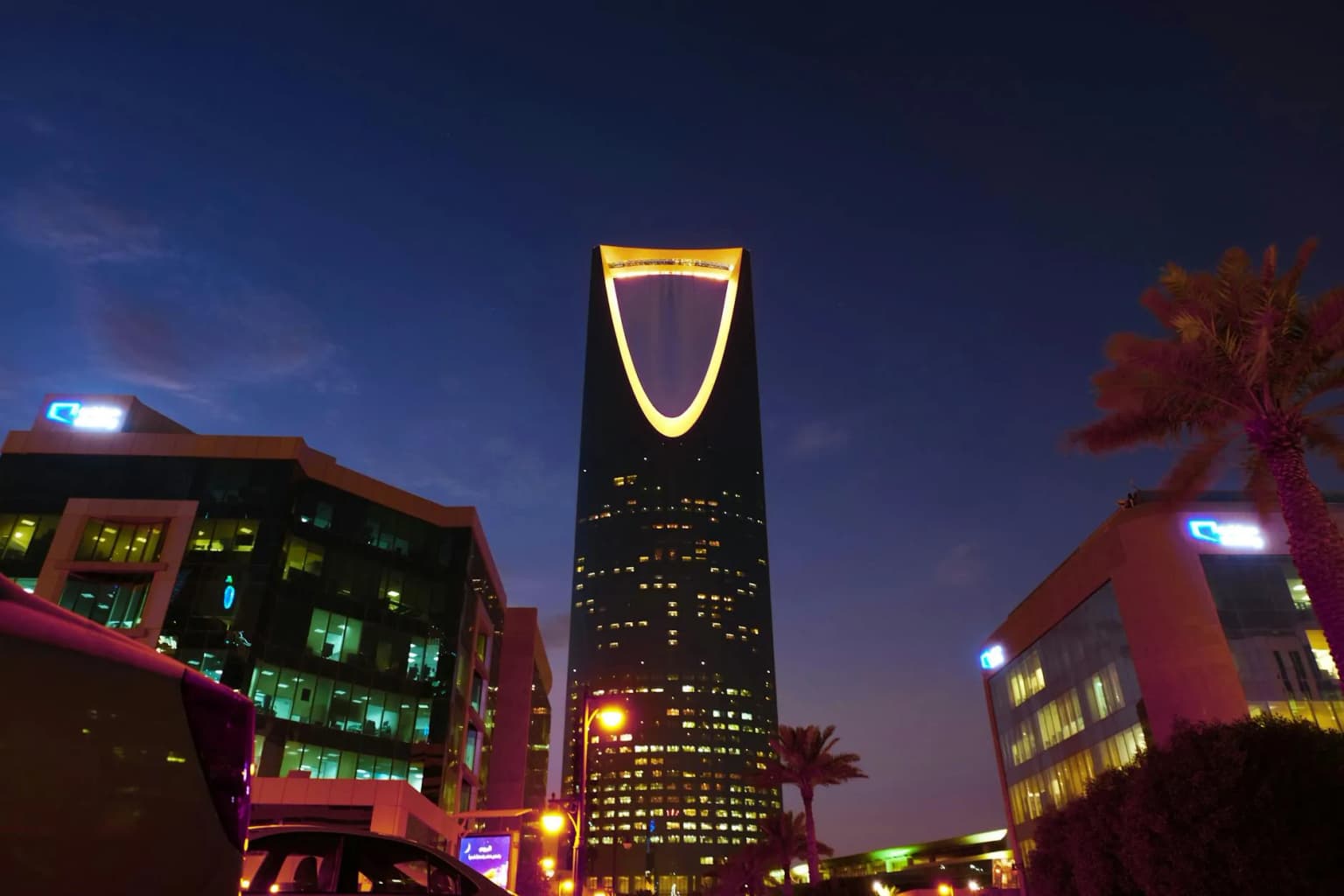
Modern Landmark
Kingdom Centre Tower
Riyadh's most iconic skyscraper features a distinctive inverted parabolic arch at its summit with a Sky Bridge observation deck offering 360-degree views of the city. The tower houses luxury shopping, offices, and the Four Seasons Hotel. The panoramic views at sunset are particularly spectacular.
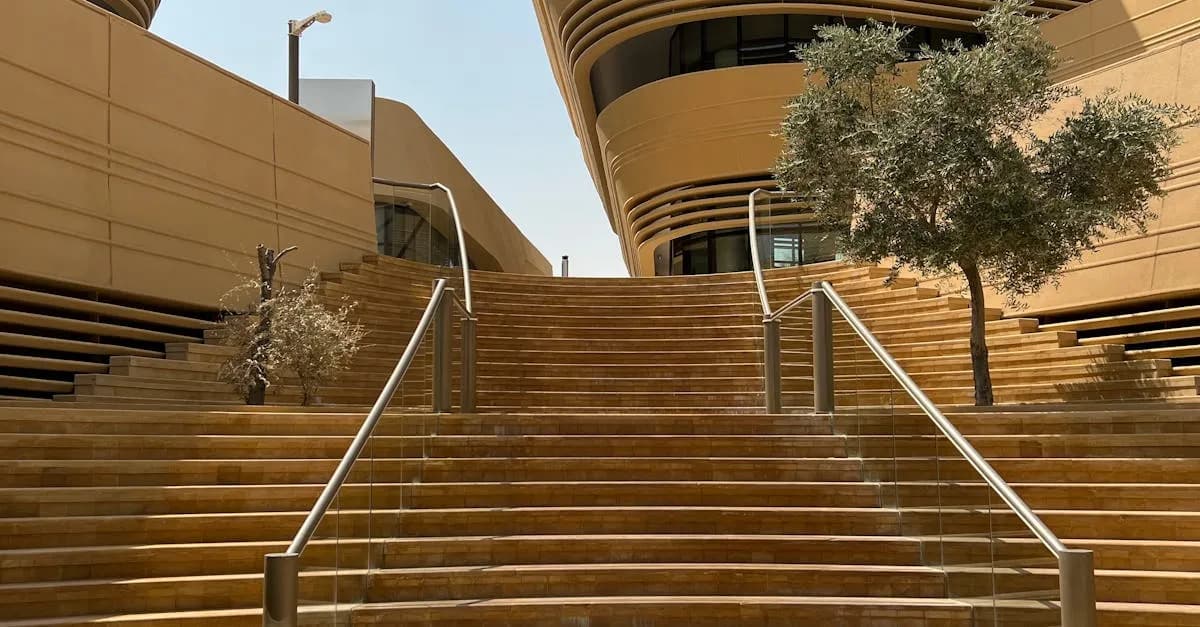
Museum
National Museum of Saudi Arabia
The Kingdom's premier museum spans eight galleries tracing Saudi Arabia's history from ancient geological formations through pre-Islamic civilizations to the modern Saudi state. Interactive exhibits, rare artifacts, and multimedia displays make this an essential stop for understanding the Kingdom's rich heritage.
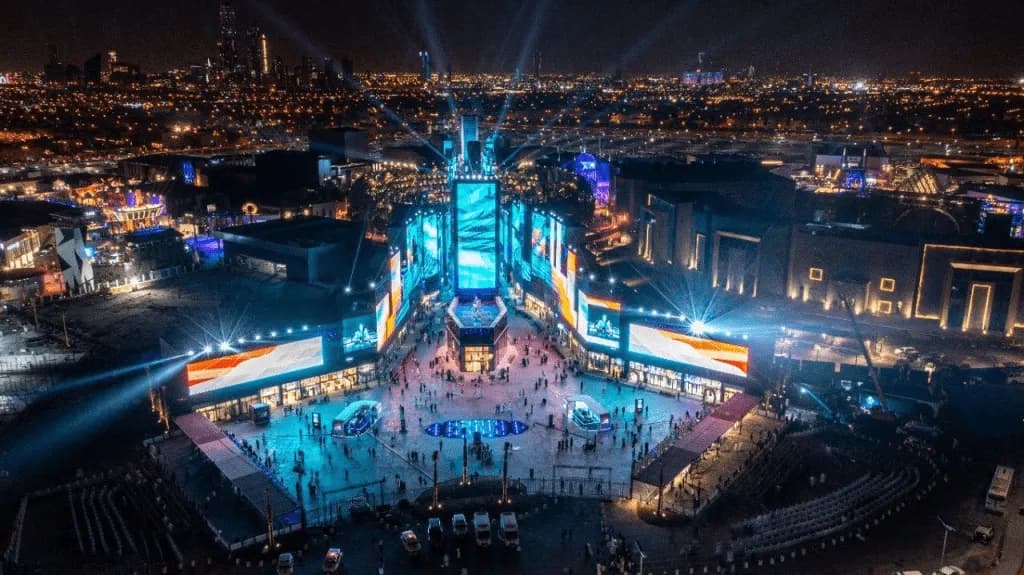
Entertainment District
Boulevard Riyadh City
Saudi Arabia's largest entertainment destination features themed zones, international restaurants, concert venues, and seasonal events. The Boulevard hosts major concerts, festivals, and entertainment shows as part of the Kingdom's Riyadh Season events that attract millions of visitors annually.
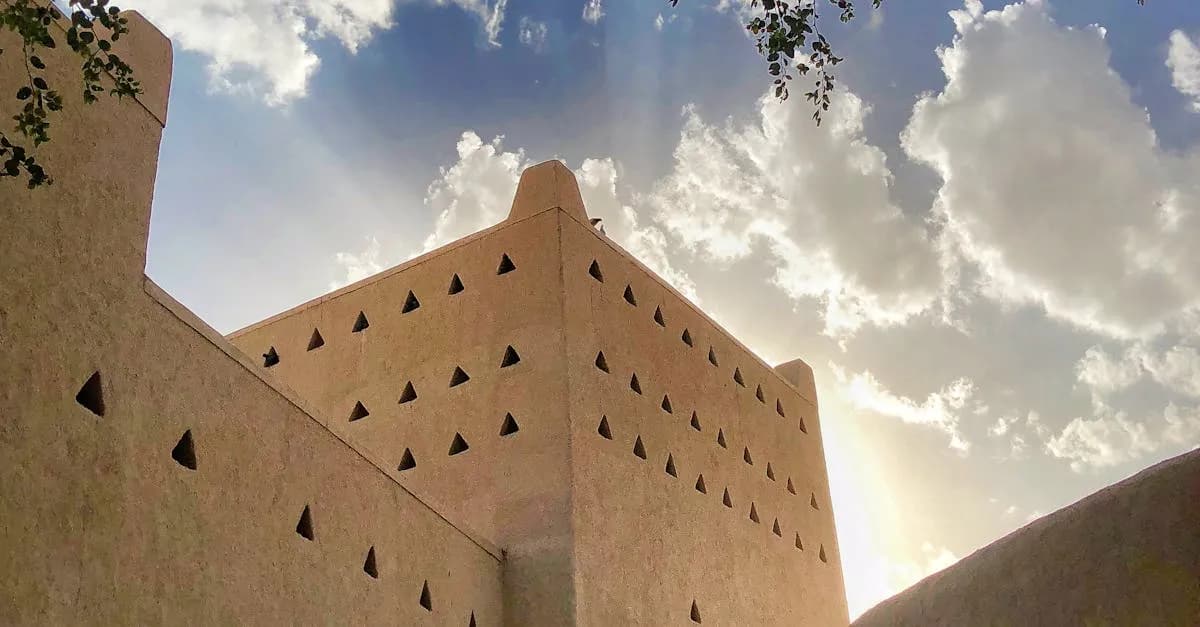
Historic Fortress
Masmak Fortress
This historic clay and mud-brick fortress played a pivotal role in the founding of modern Saudi Arabia when King Abdulaziz captured it in 1902. Now a museum, it houses exhibits about the Kingdom's unification including weapons, photographs, and maps from that era.
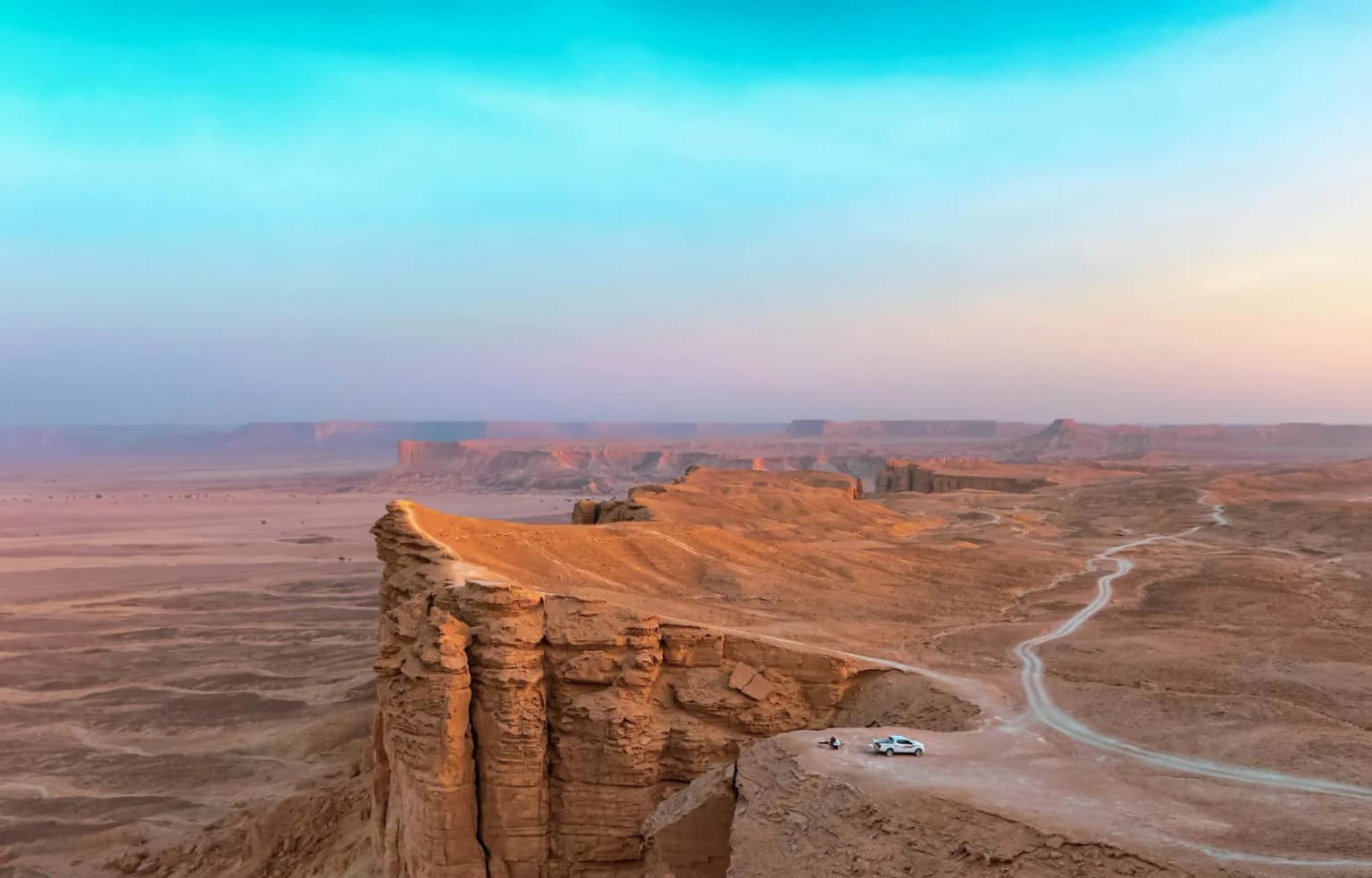
Natural Landmark
Edge of the World (Jebel Fihrayn)
About 90 minutes from Riyadh, these dramatic cliff formations offer breathtaking views across an endless desert plain. The sheer 984-foot (300-meter) cliffs mark the edge of the Tuwaiq Escarpment and provide one of Saudi Arabia's most spectacular natural landscapes, especially at sunset.
Hidden Gems
Beyond the well-known landmarks, Riyadh has some lesser-known spots worth discovering:
Wadi Namar Waterfall
A surprising waterfall in the southern outskirts of Riyadh, flowing after rains into a scenic lake surrounded by rocky terrain. Popular with locals for picnics and sunset views, it's a lesser-known escape from the city.
Souq Al Zal
Riyadh's oldest traditional market near Masmak Fortress, selling antiques, Arabian daggers, vintage coins, old Qurans, and traditional handicrafts. Fridays are the busiest and most atmospheric days to visit.
King Abdullah Park
A beautifully landscaped park in central Riyadh with a large lake, dancing fountains, playgrounds, and walking paths. Less crowded than the major attractions and free to enter, it offers a peaceful green space in the heart of the city.
Day Trips from Riyadh
Riyadh is a great base for exploring the surrounding region. The dramatic desert landscapes of central Saudi Arabia offer some of the most spectacular natural scenery in the Kingdom, all reachable within a few hours' drive.
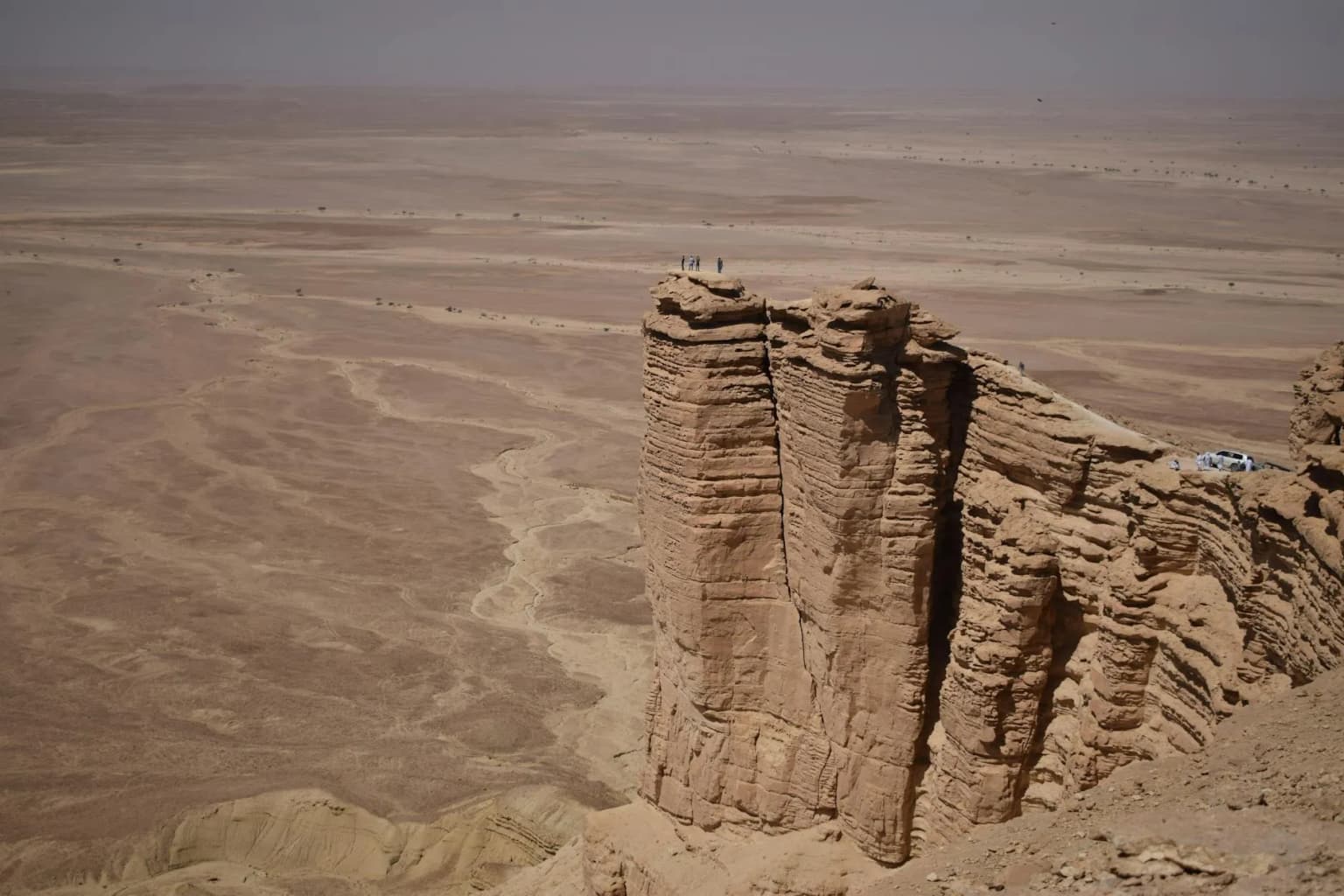
Edge of the World (Jebel Fihrayn)
Dramatic 984-foot (300-meter) cliffs marking the edge of the Tuwaiq Escarpment with panoramic views over the endless desert plain. Best visited at sunset with a 4x4 vehicle. Bring water and snacks - there are no facilities.
56 miles (90 km) northwest - 90 minutes drive
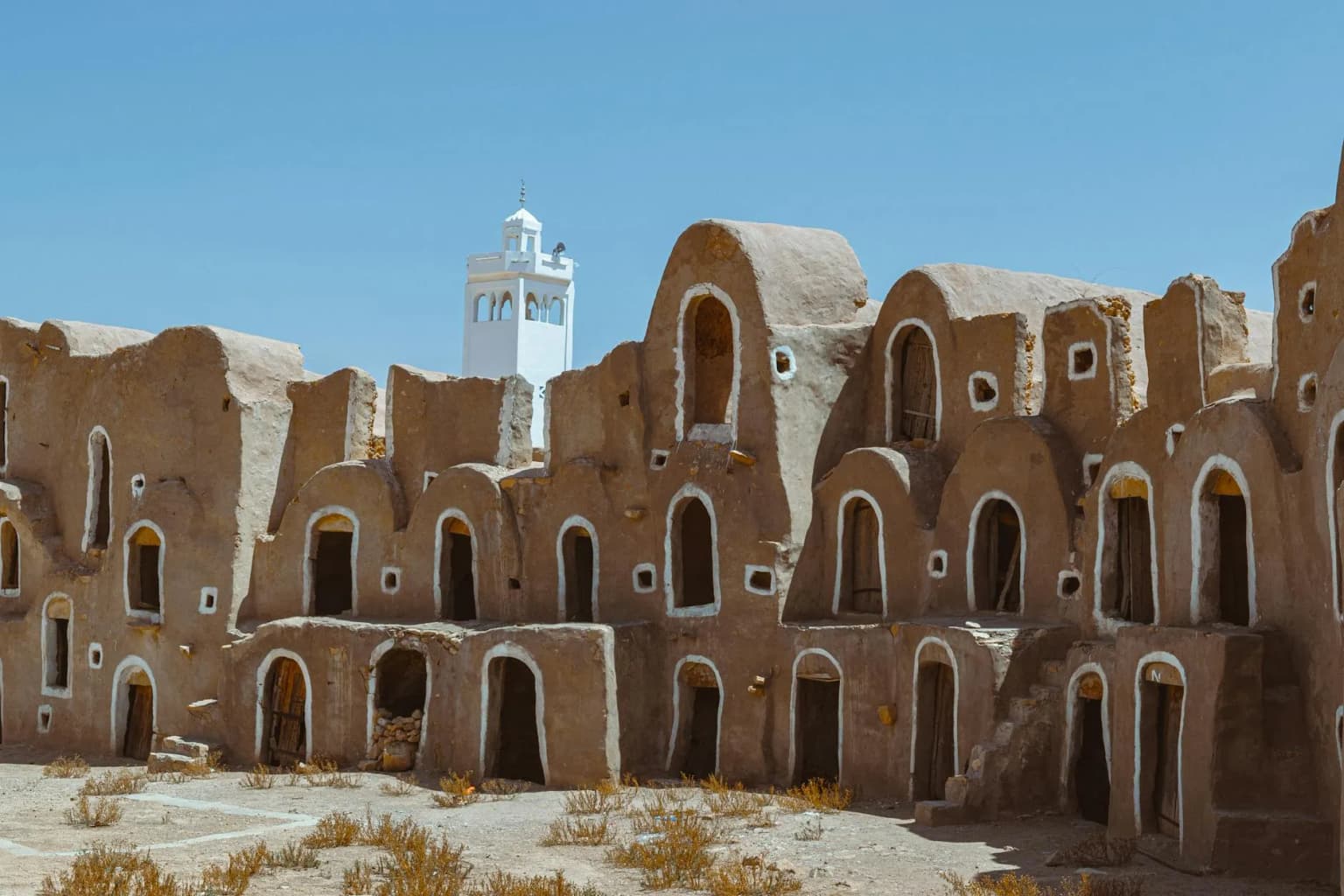
Diriyah (UNESCO World Heritage Site)
The birthplace of the first Saudi state, just 20 minutes from central Riyadh. The restored At-Turaif mud-brick district showcases traditional Najdi architecture. Bujairi Terrace has the best dining in the city.
12 miles (20 km) northwest - 20 minutes drive
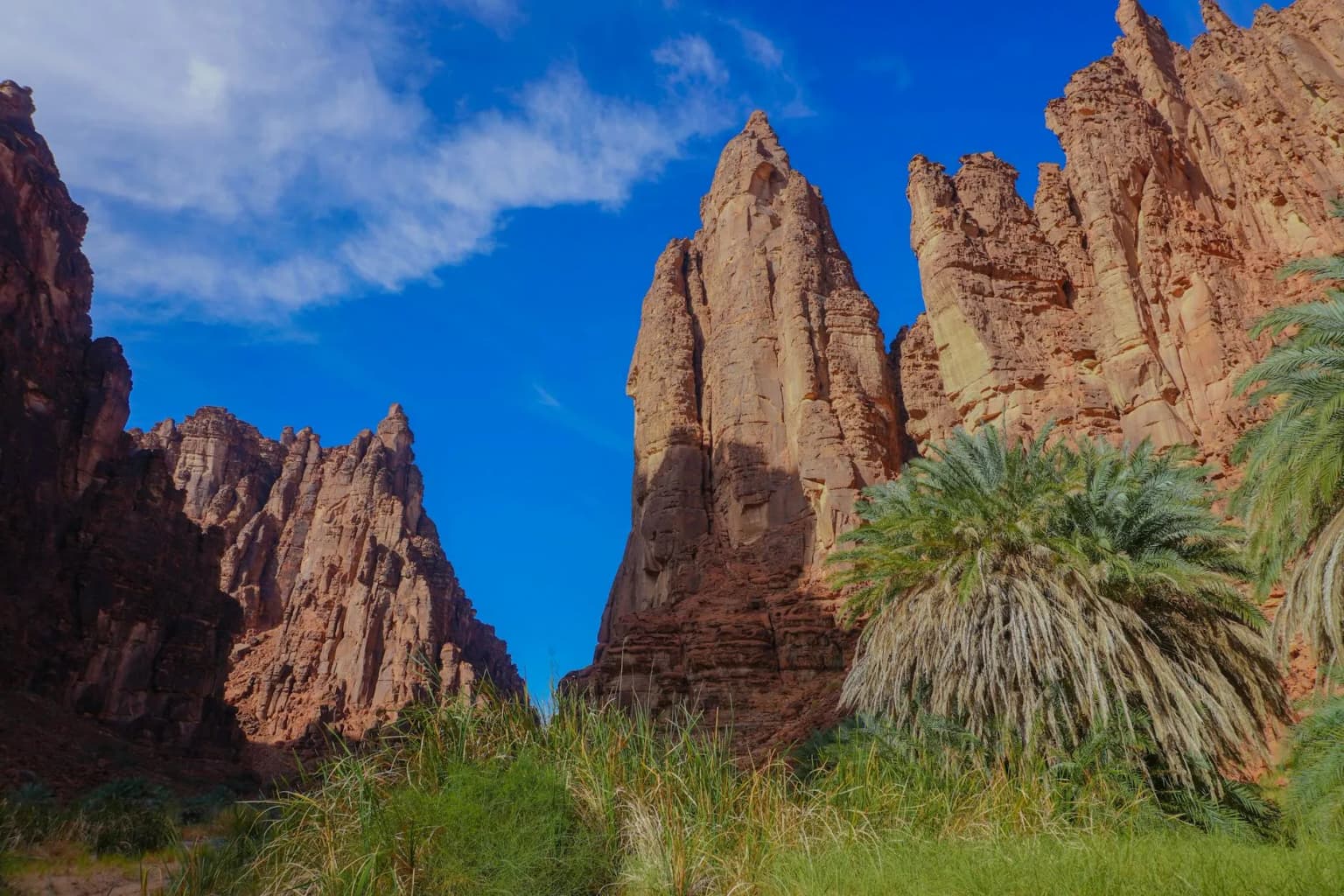
Wadi Hanifah
A 75-mile (120-km) valley running through Riyadh transformed into a stunning urban park. Popular for walking, cycling, and picnicking along the restored waterway. Free to visit.
Within city limits - 15-30 minutes drive
For a complete list of attractions, restaurants, and detailed itineraries, check out our full guide to things to do in Riyadh.
Where to Eat in Riyadh
Riyadh's food scene has exploded in recent years. The city went from a handful of traditional restaurants to one of the most exciting dining destinations in the Gulf, with everything from hole-in-the-wall kabsa joints to Michelin-worthy fine dining. Whatever you eat, start the way locals do: with Arabic coffee and dates. Every meal, every meeting, every visit to someone's home begins with a small cup of light, cardamom-spiced coffee and a few pieces of fresh dates. It is the Saudi way of saying welcome.
Local dishes you should try include Kabsa (the national dish - spiced rice with cardamom, cloves, cinnamon, and dried lime, topped with chicken or lamb, 25-40 SAR), Mandi (similar to kabsa but the meat is smoked in a tandoor-style pit, giving it a distinctive smoky flavor, 30-50 SAR), Jareesh (crushed wheat cooked slowly with meat and broth until it becomes a thick, savory porridge, 20-35 SAR), Mutabbaq (stuffed savory pancake filled with minced meat, egg, and onions, folded and fried on a flat griddle, 5-15 SAR), and Saleeg (creamy white rice cooked in milk and broth, served with roasted chicken on top, 30-45 SAR).
Restaurant Recommendations
Some places worth trying: Najd Village in Sulaimaniyah (built to look like a traditional najdi village with mud-brick walls and low cushion seating, 120-180 SAR for two), Al Romansiah (the most popular saudi restaurant chain, 35-60 SAR per person), Al Baik (saudi fast-food chain with cult following, Under 20 SAR), Takya in Diriyah Gate (elevated saudi dishes in a beautiful setting on bujairi terrace, overlooking the unesco at-turaif heritage site, 200-400 SAR per person), and Tahlia Street restaurants in Tahlia Street (riyadh's main restaurant strip with hundreds of options - lebanese, turkish, indian, japanese, italian, and everything in between, 40-150 SAR per person).
Dining Tips
A meal at a traditional Saudi restaurant costs 30-80 SAR per person. Fast food runs 15-30 SAR. Upscale dining at Diriyah Gate or top hotel restaurants costs 150-400 SAR per person.
Arabic coffee at a specialty cafe is 15-30 SAR, but at traditional restaurants it is often served free with your meal.
Most restaurants accept card payments (mada, Visa, Mastercard, Apple Pay). Tipping is appreciated but not mandatory - 10% is generous.
Many restaurants still have separate family sections (for families and women) and singles sections (for men dining alone), though this is becoming less strict.
Restaurants close briefly during the five daily prayer times, usually for 20-30 minutes. If you are already seated, you can stay, but you will not be served until prayer ends.
There is no alcohol anywhere in Saudi Arabia.
Cost of Living in Riyadh
Living costs in Riyadh are 20-30% more expensive than smaller Saudi cities, but significantly cheaper than Dubai or Abu Dhabi compared to other major cities in the Gulf. A comfortable monthly budget falls between 5,000-15,000 SAR, covering rent, food, transport, and day-to-day expenses. Compared to Dubai, you can expect to spend 30-50% less. Compared to Abu Dhabi, 20-40% less. And with zero personal income tax in Saudi Arabia, your purchasing power goes further than the numbers suggest.
Housing
Rent for a one-bedroom apartment ranges from 3,000-12,000 SAR, depending on the neighborhood and apartment quality. City center locations and modern compounds are more expensive but offer better amenities and shorter commutes. Suburban standalone apartments give you more space for less money. Most landlords expect annual rent, often paid in 1-4 post-dated checks, and utilities run about 300-700 SAR per month (electricity can spike in summer) per month. For details on how the process works, see our rental guide for Saudi Arabia.
Groceries, Food & Transport
A meal at a mid-range restaurant costs 30-150 SAR per meal. Monthly grocery shopping averages 800-1,500 SAR per month, with major supermarket chains like Tamimi, Panda, Danube, and Carrefour available. Transportation costs are Fuel is cheap (~2.3 SAR/liter); metro fares 4-7 SAR per trip - fuel is very affordable, ride-hailing through Uber and Careem works well, and most expats drive or use apps to get around.
Monthly Budget Breakdown
| Rent (1BR apartment) | 3,000-12,000 SAR |
| Utilities | 300-700 SAR per month (electricity can spike in summer) |
| Groceries | 800-1,500 SAR per month |
| Transportation | Fuel is cheap (~2.3 SAR/liter); metro fares 4-7 SAR per trip |
| Restaurant meal | 30-150 SAR per meal |
| Total monthly budget | 5,000-15,000 SAR |
Use our cost of living calculator to get a personalized estimate based on your lifestyle.
Best Neighborhoods in Riyadh
Where you live matters. Riyadh has neighborhoods that range from gated expat compounds with pools and security to vibrant city center districts within walking distance of restaurants and offices. The right choice depends on your budget, whether you have a family, and how you want to live day-to-day.
| Neighborhood | Rent Level | Description |
|---|---|---|
| Al Olaya | High | The main business district with skyscrapers, corporate offices, luxury hotels, and upscale dining along Olaya Street and Tahlia Street. |
| Diplomatic Quarter (DQ) | Very High | A self-contained, well-planned compound area housing embassies, international schools, and expatriate families. Known for its green spaces and security. |
| Al Malqa | High | An upscale residential area in northern Riyadh with modern villas, shopping malls, and family-friendly amenities. |
| Al Yasmin | Medium-High | A popular residential district in northern Riyadh with a mix of apartments and villas, good restaurants, and proximity to major roads. |
| Al Nakheel | Medium-High | Well-established residential neighborhood with parks, schools, and mosques. Popular with both Saudi families and expats. |
District Map
If you are coming with family, expat compounds are the path of least resistance. They come with security, shared amenities, social events, and other families in the same situation as you. If you are single or a couple without kids, a modern apartment in a central district puts you closer to restaurants, offices, and city life. Either way, visit the neighborhood in person before signing a lease. Drive around at different times of day, check the commute to your office, and look at what is nearby.
Jobs & Career Opportunities
The job market in Riyadh is active, with an unemployment rate of ~5% for expats; ~11% for Saudi nationals (Saudization policies apply). Average salaries sit around 8,000-20,000 SAR (varies widely by sector and nationality), and because Saudi Arabia has no personal income tax, what you earn is what you keep. Saudization (Nitaqat) policies mean companies must hire a percentage of Saudi nationals, but many sectors still recruit heavily from abroad - especially in oil & gas (upstream management), finance & banking, government & public sector.
Major employers in Riyadh include Saudi Aramco, SABIC, Saudi Telecom Company (STC), Saudi National Bank (SNB), Al Rajhi Bank, Ministry of Defense, NEOM (project office), PwC Saudi Arabia. These companies regularly hire international talent and often provide comprehensive packages including housing, transportation allowances, annual flights home, and medical insurance for the whole family.
The fastest growing sectors are financial technology (fintech), entertainment & tourism, renewable energy, artificial intelligence, e-commerce, defense & security, healthcare, all driven by the Kingdom's Vision 2030 diversification strategy. If your skills align with any of these, you will find the job market receptive.
How to Find Work
LinkedIn is the primary recruitment channel in Saudi Arabia - update your profile with Riyadh or Saudi Arabia as your preferred location. Major recruitment agencies like Hays, Robert Half, and Michael Page operate across the Kingdom. Bayt.com, GulfTalent, and Naukrigulf are the most used regional job boards. Apply directly on company career pages for the big employers. Networking matters more here than in most places - join professional groups, attend industry events, and connect with people already working in Riyadh.
Work Culture
The work week runs Sunday to Thursday, typically 8 hours per day with reduced hours during Ramadan. You get a minimum of 21 days annual leave, increasing to 30 days after 5 years with the same employer. Typical expat packages include housing, transport, annual flights, medical insurance, and education allowances for children. When your contract ends, you receive an end-of-service gratuity based on your years of employment. For more on what to expect, read our Saudi working culture guide.
Getting Around Riyadh
Riyadh is a car city. The distances are huge, public transport is limited, and the entire urban layout was designed around highways and wide roads. If you are coming from Europe, where you can walk to the metro and take a train anywhere, you will need to adjust your expectations. In Riyadh, you either drive or you take an Uber or Careem.
Ride-hailing (Uber & Careem): The easiest option for visitors. Both apps work well, drivers arrive quickly. Careem is the local app (owned by Uber but operating separately) and tends to have slightly more drivers in some areas. Cost: 10-20 SAR for short trips, 30-50 SAR across town, 60-90 SAR from airport.
Car rental: The most flexible option, especially for attractions outside the city like Edge of the World. Major rental companies (Budget, Hertz, Sixt) operate at the airport and throughout the city. You can drive on a valid international driving permit or a license from most Western countries for up to 90 days. Cost: 100-150 SAR per day for a basic sedan, fuel ~2.3 SAR/liter.
Riyadh Metro: A massive project with six lines spanning 109 miles (176 km). Lines have been opening gradually. When fully operational, it will connect the airport, major business districts, Diriyah, and university campuses. Coverage is still partial. Cost: 4-7 SAR per trip.
SAPTCO buses: Some routes operate across the city, but they are slow and infrequent. Most residents and visitors do not use them. Cost: 4 SAR per trip.
Walking: Possible in specific areas like Diriyah Gate, Boulevard Riyadh City, and parts of the Diplomatic Quarter. Not realistic between neighborhoods due to distances and heat (104°F+ / 40°C+ from May to September). Cost: Free.
King Khalid International Airport (RUH) is located about 22 miles (35 km) north of the city center. A ride-hailing trip to downtown costs 60-90 SAR and takes 30-50 minutes depending on traffic. The airport is served by Saudi Airlines (Saudia), flynas, flyadeal, and major international carriers.
The driving style is different from what Europeans or Americans are used to. Lane discipline is loose, cars merge aggressively, speed limits are often treated as suggestions, and last-second lane changes are normal. Indicators are used sparingly. Stay alert and give yourself extra space. The roads themselves are excellent, well-lit, and well-signposted in both Arabic and English. Most visitors adapt after a day or two.
Intercity travel: SAPTCO operates intercity bus services to Jeddah (about 10 hours), Dammam (about 4 hours), and other cities. SAR train service connects Riyadh to Dammam and the Eastern Province. Domestic flights connect Riyadh to all major Saudi cities, typically costing 200-500 SAR one-way.
Expat Life in Riyadh
Riyadh has a well-established international community of around 2+ million expats people, with the largest groups coming from Indian, Pakistani, Filipino, Egyptian, Bangladeshi, Yemeni, American, British. This is not a city where you will feel isolated. There are active expat groups, compound communities, professional networks, and social clubs that make it straightforward to build a social life from scratch.
Local groups like Riyadh Expats, InterNations Riyadh, Riyadh Professionals Network, Saudi Tech Meetup, Riyadh Entrepreneurs organize regular social events, cultural activities, and networking opportunities. Compound living provides built-in community with sports leagues, family events, and shared facilities. If you live independently, online communities on Facebook and WhatsApp are the fastest way to connect with other expats in your area.
Riyadh is the cultural heartbeat of Najdi traditions, known for its deep-rooted Arabian hospitality, traditional souqs like Souq Al Zal, and Ardah sword dances. The city is experiencing a cultural renaissance with the opening of concert venues, cinemas, international exhibitions, and the annual Riyadh Season entertainment festival that attracts millions of visitors.
Healthcare
Riyadh has the most advanced healthcare infrastructure in Saudi Arabia, including King Faisal Specialist Hospital, King Fahad Medical City, and numerous private hospitals such as Dr. Sulaiman Al Habib and Saudi German Hospital. Most major hospitals have English-speaking staff and cater to international patients. Employer-provided medical insurance is mandatory by law, and most private hospitals and clinics have English-speaking staff. Emergency services are available around the clock, and pharmacies are well-stocked and often open late.
Education
Riyadh has 5 major universities, including King Saud University (top-ranked in KSA), Alfaisal University (private, research-focused), Princess Nourah bint Abdulrahman University (largest women's university in the world), Imam Mohammad Ibn Saud Islamic University. For expat families, international schools offering British, American, IB, and other curricula are available, along with nurseries and early childhood centers. School fees vary widely, but many employer packages include an education allowance.
Your First Month
When you first arrive, the priority list is straightforward: get your iqama (residence permit) processed through your employer, open a Saudi bank account, register on the Absher platform for government services, get a Saudi SIM card (STC, Mobily, or Zain), and either convert your driving license or start the process of getting a Saudi driving license. Most of this can be sorted within the first few weeks if your employer's PRO (public relations officer) is on top of things.
Climate & Practical Information
Summers in Riyadh are extremely hot and dry, 104-122°f (40-50°c / 104-122°f) from june to september, while winters are mild and pleasant, 50-77°f (10-25°c / 50-77°f) from november to february with cool nights. The city experiences very low, ~100mm annually; occasional heavy rain in winter can cause flash flooding. The best time to visit or move is between October and April when the weather is most pleasant.
Popular destinations near Riyadh include Edge of the World (Jebel Fihrayn), Diriyah (UNESCO World Heritage Site), Wadi Hanifah, Ushaiger Heritage Village, Red Sand Dunes (Al Kharrarah), Al Wahbah Crater. These are accessible for day trips or weekend getaways and give you a sense of the region beyond the city itself.
Useful Contacts
Emergency services: 911 (Riyadh and Eastern Province) or 999 (other regions). Traffic Police: 993. Ambulance: 997. Fire: 998. Essential apps include Absher (government services), Tawakkalna (digital ID), and your bank's app for managing payments through the mada network.
Ready to Move to Riyadh?
Tax-free salaries, a growing international community, and a city that is changing fast. Start planning your move today.
Tours & Activities in Riyadh
Discover the best tours, excursions, and activities available in and around Riyadh. From cultural experiences to desert adventures, find something for every interest.