
Loading...
Join our Facebook Group: Join: Expats in Saudi Arabia
Loading...
Saudi citizenship by naturalization is one of the most restrictive in the world. While legally possible, it is granted to very few applicants each year and remains highly discretionary. This guide covers the legal requirements, eligibility criteria, application process, and realistic expectations for foreigners seeking Saudi nationality.
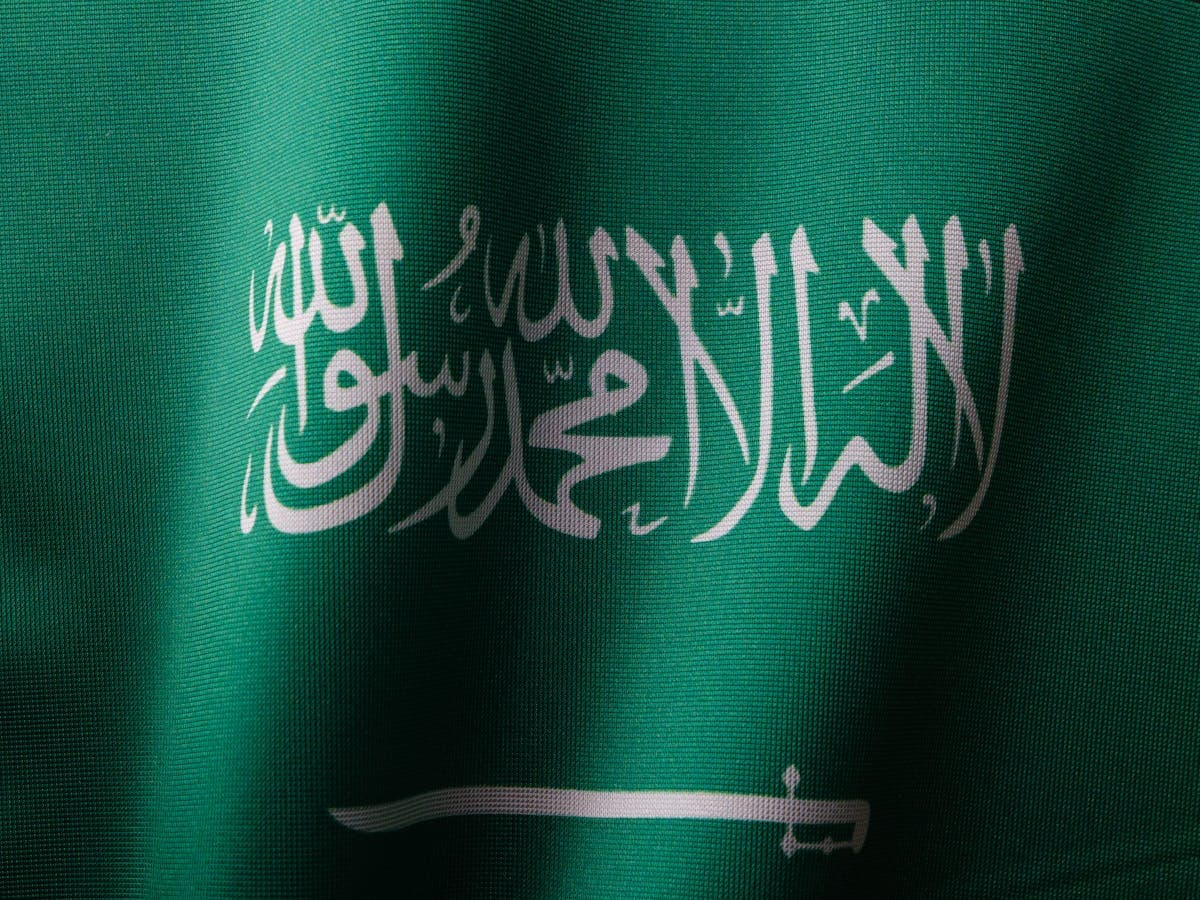
Saudi citizenship by naturalization is extremely rare and highly selective. Unlike many countries where meeting defined criteria guarantees citizenship, Saudi Arabia's process is entirely discretionary. The government grants citizenship to a very limited number of people each year, typically those who bring exceptional value to the Kingdom.
For most expats, Premium Residency (permanent or renewable) is the realistic long-term residency option. It provides most benefits of citizenship except voting rights and property in Mecca/Medina.
The Saudi Nationality System (Royal Decree No. 8/20/5604) outlines the following requirements for naturalization. Meeting all criteria does not guarantee approval.
Continuous legal residence in Saudi Arabia for a minimum of 10 years (some sources say 5 years for certain categories)
Must have maintained legal residency (valid Iqama) throughout the entire period with no violations
Must demonstrate stable income and financial independence. No reliance on government assistance
Clean criminal record in Saudi Arabia and country of origin. No moral or legal issues
Must demonstrate competency in Arabic language (speaking and basic reading/writing)
Must be in good health and free from contagious diseases. Medical examination required
Additional requirements: Must be at least 21 years old, must have a lawful means of earning a living, must not have been convicted of a crime involving moral turpitude, and must be of sound mind. The applicant must also demonstrate integration into Saudi society.
Confirm you meet all criteria: 10+ years continuous residence, clean record, financial stability, Arabic proficiency, and valid legal status throughout your stay.
Collect: valid passport, Iqama history showing 10+ years, criminal record clearance (from Saudi Arabia and country of origin), medical fitness certificate, proof of income/employment, Arabic language proficiency evidence, and personal references from Saudi citizens.
Submit your application to the Ministry of Interior through the relevant government channels. Include all supporting documents with certified Arabic translations. There is no online portal for citizenship applications.
Security services conduct extensive background checks including criminal history, financial records, social behavior, and community standing. This may include interviews with your employer, neighbors, and references.
Your application is reviewed by a committee that assesses your overall contribution to Saudi Arabia, integration into society, and value to the Kingdom. This is the discretionary phase.
Final approval for citizenship requires endorsement at the highest levels of government. If approved, you receive notification to complete the naturalization process including oath of allegiance.
Upon approval, you must renounce your previous citizenship (Saudi Arabia does not generally permit dual nationality). After completing all formalities, you receive your Saudi national ID and passport.
Looking for an immigration lawyer?
Get matched for free with a verified, English-speaking specialist in your city.
For most expats, these options provide long-term stability in Saudi Arabia without the uncertainty of the naturalization process:
800,000 SAR one-time. Live, work, own property without sponsor. Closest to citizenship for most expats.
Learn more →100,000 SAR/year. Same benefits as permanent but lower upfront cost. Good for testing long-term commitment.
Learn more →Standard work residency. Requires employer sponsor but is the most common status for expats. Renewable annually.
Learn more →Yes, but it is extremely rare and highly selective. Saudi Arabia grants citizenship by naturalization to a very limited number of applicants each year. The process is discretionary - meeting the requirements does not guarantee approval. The government prioritizes applicants who bring exceptional value to the Kingdom (scientists, doctors, investors, athletes, religious scholars).
The minimum residency requirement is typically 10 years of continuous legal residence. After applying, the processing and decision can take 1-5 years or longer. There is no guaranteed timeline as decisions are made at the highest levels of government. Some exceptional cases (elite talent, major investors) may be processed faster through special royal decree programs.
Saudi Arabia generally does not recognize dual citizenship. If you are granted Saudi citizenship, you are expected to renounce your previous nationality. However, enforcement varies, and some naturalized citizens maintain their original passports in practice. This is a significant consideration - consult a lawyer about the implications for your specific nationality.
Premium Residency does not directly lead to citizenship. However, it demonstrates long-term commitment to Saudi Arabia and financial stability, which could theoretically support a future citizenship application. Premium Residency is the closest thing to permanent residency available to foreigners and may become a stepping stone if citizenship laws are reformed.
Saudi Arabia does not grant citizenship by birth (jus soli). Children born in Saudi Arabia to foreign parents do not automatically receive Saudi citizenship. However, children born to a Saudi father are automatically citizens regardless of birthplace. Children of Saudi mothers with foreign fathers can apply for citizenship under certain conditions (a relatively recent reform).
Saudi citizenship grants: right to live and work without restrictions, access to Saudi social benefits and pension, right to own property anywhere including Mecca and Medina, right to vote in municipal elections, Saudi passport (visa-free access to 80+ countries), access to public education and healthcare, and no employer sponsorship requirement.
Saudi Arabia has granted citizenship by Royal Decree to exceptional individuals (scientists, doctors, religious scholars, athletes, and major investors). This bypasses the normal naturalization process. Recent examples include prominent Islamic scholars and scientists who have contributed significantly to the Kingdom. There is no formal application process for this - it is entirely at the King's discretion.
Some sources mention a 5-year minimum for certain privileged categories (e.g., those married to Saudi nationals or born in Saudi Arabia). However, the standard requirement is generally considered to be 10 years of continuous legal residence. Even meeting the time requirement does not guarantee approval. The process remains highly discretionary.