Loading...
Join our Facebook Group: Join: Expats in Saudi Arabia
Loading...
Saudi Arabia has invested heavily in its healthcare infrastructure, and the quality of medical care in private hospitals in major cities is now comparable to Western standards. For expats, the system revolves around mandatory private health insurance provided by your employer. This guide covers everything you need to know, from your first medical fitness test and understanding your insurance to finding a doctor, handling emergencies, and navigating pharmacies.
By How to Saudi Arabia Editorial Team · Last updated:
Saudi Arabia's healthcare system has two parallel tracks: government (public) healthcare and private healthcare. Saudi citizens can use both, with free access to government hospitals. Expats rely almost entirely on the private system through employer-provided health insurance.
The Ministry of Health (MOH) oversees the public system and operates over 280 hospitals and 2,300 primary care centers. Other government bodies run their own hospital networks: National Guard Health Affairs (King Abdulaziz Medical City), King Faisal Specialist Hospital & Research Centre (Saudi Arabia's top referral hospital for cancer, transplants, and complex surgeries), and Saudi Aramco Medical Services (Johns Hopkins Aramco Healthcare in Dhahran).
The private sector is where most expats get their care. Private hospitals in Riyadh, Jeddah, and the Eastern Province operate at international standards, with many doctors trained in the US, UK, Germany, or Canada. Wait times are short, facilities are modern, and English is widely spoken.
Emergency exception: All government hospitals must treat emergency cases regardless of nationality or insurance. If you are in a car accident or have a life-threatening condition, go to the nearest hospital. You may receive a bill afterward, but treatment will not be delayed.
This is the first healthcare experience every expat has in Saudi Arabia. Before your Iqama (residence permit) is issued, you must pass a medical fitness test. This is also required for Iqama renewals.
Your employer usually arranges the appointment at a government-approved medical center (not a private hospital). You will need your passport and a passport-sized photo. The test takes 30-60 minutes, and results are typically available within 2-5 working days. Results go directly to the Muqeem immigration system. You do not need to collect a paper certificate.
The cost is 200-350 SAR, usually paid by your employer. If you fail the test (positive for HIV, Hepatitis B/C, or active TB), your Iqama will not be issued and you may face deportation. If you know you have a condition that could cause a positive result, consult with your employer and a doctor before the test.
Tip: The medical fitness test is different from a regular health checkup. It is a screening test for immigration purposes only. It does not check your general health or diagnose conditions. Once you have your Iqama and insurance, schedule a proper health checkup with your doctor.
Health insurance is not optional in Saudi Arabia. Under the Cooperative Health Insurance Law, every expat must have CCHI-approved health insurance. Your employer is legally required to provide and pay for this. Without valid insurance, you cannot renew your Iqama.
You can verify that your insurance is active and see your policy details on the CCHI website. Go to chi.gov.sa, click "Insurance Information Query," and enter your Iqama number. This shows your insurer, policy number, class, and expiry date. You can also call the CCHI hotline at 920001177 for help.
CCHI sets minimum coverage that all policies must include:
| Class | Hospital Access | Room Type | Typical For |
|---|---|---|---|
| VIP | All hospitals | Private suite | Senior executives |
| A+ | All hospitals | Private room | Management-level employees |
| A | Most private hospitals | Semi-private (2-bed) | Mid-level professionals |
| B | Selected hospitals | Shared ward (3-4 beds) | General employees |
| C | Basic network | Shared ward | Domestic workers, laborers |
Tip: When negotiating your employment contract, pay close attention to the insurance class. The difference between Class B and Class A+ is significant. If your employer offers a lower class, ask if you can upgrade at your own expense.
If your insurance company denies a claim unfairly, your employer has not provided insurance, or a hospital overcharges you, file a complaint through the CCHI website or call 920001177. CCHI investigates and can force insurers to cover valid claims.
Private hospitals and clinics are where most expats receive their care. The quality in major cities is excellent, with modern facilities, short waiting times, and multilingual staff.
Dr. Sulaiman Al Habib Medical Group (HMG) - one of the largest and most respected private healthcare groups in the Middle East. Hospitals in Riyadh (Olaya, Al Takhassusi, Kharj Road), Jeddah, and more.
Saudi German Hospital - hospitals in Riyadh, Jeddah, Dammam, Madinah, and Aseer. Wide range of specialties, included in most insurance networks.
Mouwasat Medical Services - strong in the Eastern Province. Hospitals in Dammam, Riyadh, Jubail, and Madinah.
Kingdom Hospital - well-known private hospital in Riyadh, popular among expats.
Al Moosa Specialist Hospital - leading private hospital in Al Ahsa, Eastern Province.
For minor illnesses, routine checkups, and quick consultations, you do not need a full hospital. Polyclinics are smaller walk-in clinics in every neighborhood with GPs, dentists, and basic lab/X-ray services. Wait times are shorter and costs are lower. Most insurance cards are accepted. Search "polyclinic" on Google Maps near your location.
Finding a good doctor in Saudi Arabia is easier than many expats expect. You do not need a GP referral to see a specialist at private hospitals. Just book directly.
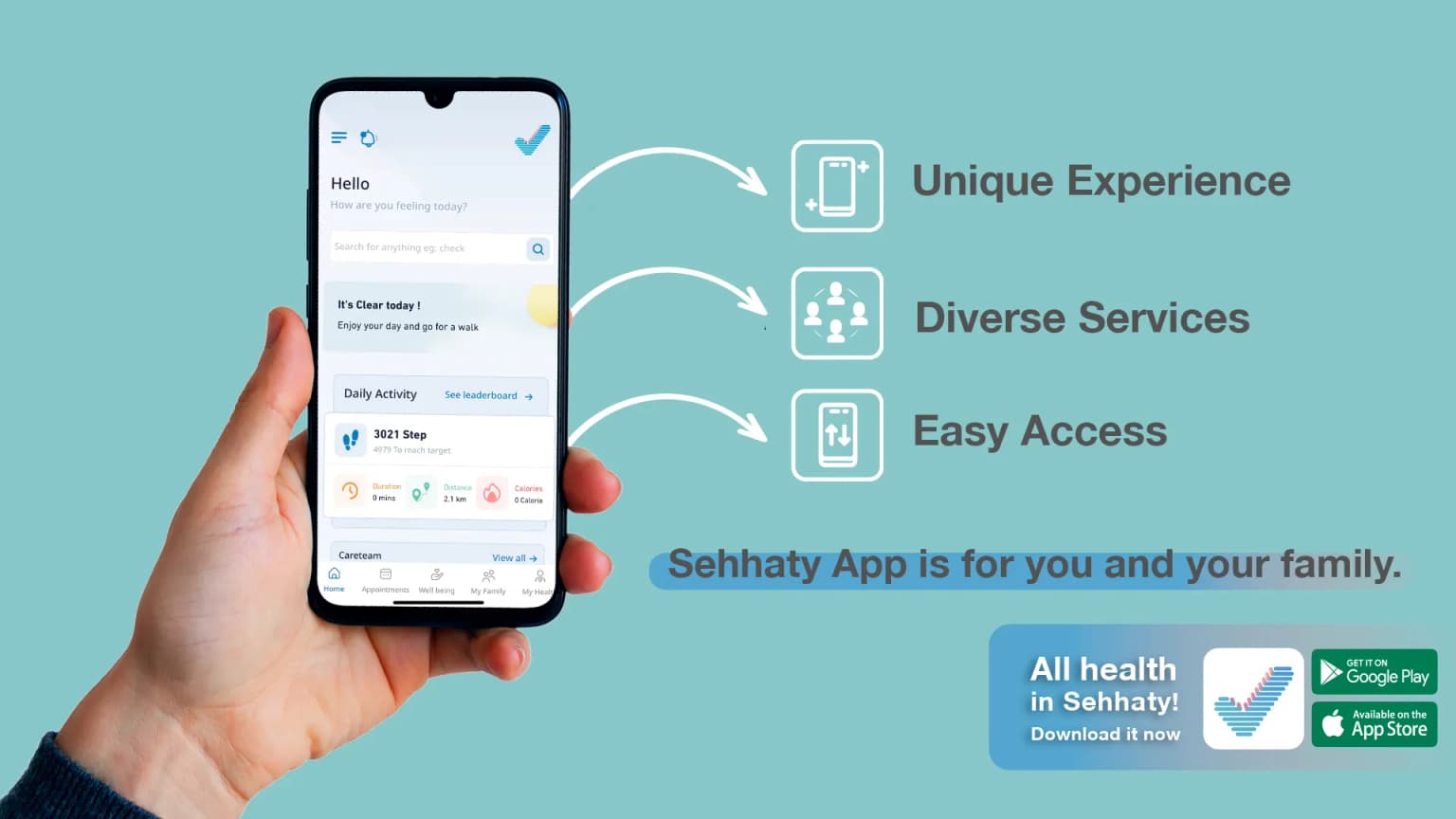
Sehhaty App - the official MOH app lets you search for doctors by specialty, location, and language. You can book appointments at government and participating private facilities directly.
Hospital websites and call centers - all major chains have online booking. You can browse doctors by specialty, view qualifications, and book online.
Your insurance app - shows which hospitals and doctors are in your network. This is the safest way to avoid unexpected bills.
Expat communities - Facebook groups (Riyadh Expats, Jeddah Expats) and WhatsApp groups are an excellent source of doctor recommendations.
| Service | Number | Notes |
|---|---|---|
| Unified Emergency | 911 | Riyadh, Mecca, Eastern Province |
| Ambulance (Red Crescent) | 997 | Nationwide |
| Police | 999 | Nationwide |
| Fire | 998 | Nationwide |
| Traffic Accidents (Najm) | 993 | Required for insurance claims |
| Poison Control | 920033360 | 24-hour hotline |
In a genuine emergency, go to the nearest hospital regardless of whether it is in your insurance network. You can sort out billing later. Private hospital ERs are usually faster than government ones. ER co-pays at private hospitals typically range from 100-300 SAR.
Traffic accidents: Do not move the vehicles until police arrive (unless blocking a highway). Call 993 (Najm) for accident reporting, which is required for insurance claims. If there are injuries, also call 997 for an ambulance.
Pharmacies are everywhere in Saudi Arabia: inside hospitals, shopping malls, on every main street, and at petrol stations. Major chains include Al Nahdi (1,000+ branches), Whites Pharmacy (Kunooz), and Pharmacare. Most are open until midnight, and many hospital pharmacies are open 24/7.
Saudi Arabia is more relaxed than Western countries about over-the-counter medication. You can buy common antibiotics (amoxicillin, azithromycin), muscle relaxants, and some blood pressure medications without a prescription. Pharmacists are helpful and can recommend medication for common ailments.
Warning: If you take controlled medication, bring a letter from your doctor (in English) stating your diagnosis, the medication name, dosage, and that it is medically necessary. Bring the prescription in its original packaging with your name on it. Saudi customs can confiscate unlabeled medication and certain substances can result in legal trouble.
Hospital pharmacies dispense prescriptions directly with your insurance co-pay applied. At outside pharmacies, check that they are in your insurance network first. Major chains like Al Nahdi and Whites accept most insurance cards. Co-pay for prescription medication is typically 0-20%.
Saudi Arabia has specific health risks that newcomers should be aware of, especially if you are coming from a cooler climate.
Summer temperatures regularly exceed 45-50 degrees C (113-122 degrees F). Heat exhaustion and heatstroke are real dangers, especially for outdoor workers and newcomers not acclimatized. Drink at least 3-4 liters of water daily in summer. Avoid outdoor activity between 11am and 3pm. Symptoms of heatstroke (confusion, no sweating, rapid heartbeat) require immediate medical attention - call 997.
Sandstorms (especially March-May) cause spikes in asthma, allergies, and respiratory infections. If you have asthma or respiratory conditions, keep your inhaler/medication accessible at all times. Air purifiers for your home are a worthwhile investment. During sandstorms, stay indoors and keep windows closed. N95 masks help if you must go outside.
Saudi Arabia has one of the highest road fatality rates in the region. Speeding, sudden lane changes, and tailgating are common. Always wear your seatbelt (all passengers), use child car seats, and drive defensively. If you are in an accident with injuries, call both 997 (ambulance) and 993 (Najm for accident reporting).
UV levels are extreme year-round. Use SPF 50+ sunscreen daily, even in winter. Skin cancer rates among long-term residents who neglect sun protection are rising. Vitamin D deficiency is paradoxically common because many people avoid the sun entirely and spend most time in air-conditioned spaces - ask your doctor to check your levels.
Maternity care is one of the strengths of Saudi Arabia's healthcare system. Private hospitals have dedicated obstetrics and gynecology departments with high standards of care. You can request a female doctor for any appointment.
Prenatal care follows international guidelines: monthly checkups in the first and second trimesters, biweekly in the third, with blood tests, ultrasounds, and glucose screening. All covered by CCHI insurance. You choose your own OB/GYN at any in-network hospital.
Most expat women give birth at private hospitals. Costs (usually covered by insurance minus co-pay): natural delivery 8,000-15,000 SAR, C-section 15,000-30,000 SAR. After birth, the hospital handles the initial birth notification. You then register with your embassy and through Absher. Your child can be added to your Iqama as a dependent.
Most insurance plans cover basic dental (fillings, extractions, root canals, cleanings). Cosmetic procedures (whitening, veneers, Invisalign) are typically not covered. Costs without insurance: consultation 100-200 SAR, filling 200-500 SAR, root canal 1,000-3,000 SAR, crown 1,500-4,000 SAR, braces 5,000-15,000 SAR.
Eye exams are affordable (100-300 SAR). Glasses and contacts are available at Magrabi Optical, Al Jaber Optical, and Gulf Optics. LASIK surgery costs 3,000-8,000 SAR per eye. Magrabi Hospitals & Centers is the largest specialized eye care chain in the region. Insurance usually does not cover LASIK.
Mental health services are available but the sector is still developing compared to Western countries. Here is where to find help:
Private hospitals - most major chains have psychiatry and psychology departments with English-speaking therapists. Dr. Sulaiman Al Habib and Saudi German Hospital both offer therapy sessions and psychiatric consultations.
Erada Centers - government-run addiction and mental health centers in major cities. Accept walk-in mental health emergencies.
Online therapy - Labayh is a Saudi-based platform offering therapy sessions in Arabic and English via video call. BetterHelp also operates in the region.
Insurance coverage for mental health varies. Some policies cover only 6-12 therapy sessions per year. Check your policy or call your insurer.
Crisis support: If you or someone you know is in a mental health crisis, call the MOH mental health hotline at 920033360 or go to the nearest hospital emergency department.
With insurance, you pay a co-pay (usually 20% of the bill, with a maximum cap) for each visit or service. Without insurance, costs add up quickly:
| Service | Without Insurance | Typical Co-pay |
|---|---|---|
| GP consultation | 150-300 SAR | 30-60 SAR |
| Specialist consultation | 250-500 SAR | 50-100 SAR |
| Emergency room visit | 500-2,000 SAR | 100-300 SAR |
| Blood test panel | 200-800 SAR | 40-160 SAR |
| MRI scan | 1,500-4,000 SAR | 300-800 SAR |
| Natural delivery | 8,000-15,000 SAR | 1,600-3,000 SAR |
| C-section delivery | 15,000-30,000 SAR | 3,000-6,000 SAR |
| Prescription medication | 20-200 SAR | 0-40 SAR |
Note: Most insurance policies have a maximum co-pay cap per visit or per year. Higher classes (A+ and VIP) often have lower co-pay percentages and higher annual limits.
Sehhaty is the most important health app in Saudi Arabia. It gives you access to your medical records across government facilities, vaccination history, lab results, and appointment booking. It includes a symptom checker and the ability to request home healthcare visits. Register using your Iqama number.
Download: App Store | Google Play
Install your insurance provider's app (Bupa Arabia, Tawuniya, Medgulf, AXA, etc.) as soon as you receive your policy. It shows your digital insurance card, in-network providers, claims history, and remaining coverage limits. This is often the fastest way to find an approved hospital near you.
For minor consultations, follow-ups, and prescription renewals without visiting a hospital, use telemedicine. Labayh (mental health focused), Cura, and Nala offer video consultations with doctors. Most major hospital chains also have telemedicine features in their apps. Some insurance plans cover telemedicine visits.
No. Healthcare is free only for Saudi citizens at government hospitals. Expats must have private health insurance, which is a legal requirement. Your employer is obligated to provide insurance for you and, in most cases, your dependents. Without insurance, you will pay full out-of-pocket costs at private facilities. In emergencies, government hospitals will treat you regardless of insurance status, but you will be billed afterward.
The main emergency number is 997 for ambulance services (Saudi Red Crescent). You can also call 911 in Riyadh, Mecca, and the Eastern Province, which connects to a unified emergency center that dispatches ambulance, police, or fire services as needed. For police specifically, dial 999. For fire, dial 998.
Yes, but within your insurance network. Your CCHI-compliant health insurance will have a network of approved hospitals and clinics. You can visit any provider within that network without a referral. If you go outside the network, you will pay the full cost yourself. Most major insurance plans include the largest hospital chains (like Dr. Sulaiman Al Habib, Saudi German, Kingdom Hospital), so the network is usually broad enough.
Many medications that require a prescription in Western countries are available over the counter in Saudi Arabia, including antibiotics, pain relievers, and some prescription-strength medications. However, controlled substances (opioids, certain psychiatric medications, ADHD medications like Adderall) strictly require a prescription and some are completely banned. Always carry a letter from your doctor for any controlled medication you bring into the country.
Most doctors at private hospitals in major cities (Riyadh, Jeddah, Dammam) speak English fluently, as many were trained in the US, UK, Canada, or other English-speaking countries. Private hospital chains like Dr. Sulaiman Al Habib, Saudi German Hospital, and Kingdom Hospital have predominantly English-speaking staff. You can also filter by language on the Sehhaty app or call the hospital reception to request an English-speaking doctor.
Government hospitals will not turn you away in a genuine emergency, but you will receive a bill afterward. For non-emergency care, private hospitals may refuse to treat you without insurance or upfront payment. Being uninsured also means you cannot renew your Iqama. If your employer has not provided insurance, this is a violation of Saudi labor law and you can file a complaint through the Ministry of Human Resources (HRSD) or the Musaned platform.
Every expat must pass a medical fitness test to get their Iqama issued or renewed. The test includes blood tests for HIV, Hepatitis B and C, and syphilis, plus a chest X-ray for tuberculosis. You take the test at a government-approved medical center (not a private hospital). Your employer usually arranges the appointment. Results go directly to Muqeem (the immigration system). The test costs around 200-350 SAR.
For general residency, there are no mandatory vaccinations beyond what is required for your visa application (which may include meningitis ACWY for Hajj/Umrah visa holders). However, children must complete the Saudi national vaccination schedule to enroll in schools. Recommended vaccinations for adults include hepatitis A and B, typhoid, and routine boosters. The Sehhaty app tracks your vaccination records and sends reminders.
Healthcare is just one piece of settling in. Explore our other guides to help you get established.