Loading city information...
Join our Facebook Group: Join: Expats in Saudi Arabia
Loading city information...
Discover Abha, Saudi Arabia's cool mountain retreat in the Asir region. From lush parks to traditional villages, explore highland culture and stunning scenery.
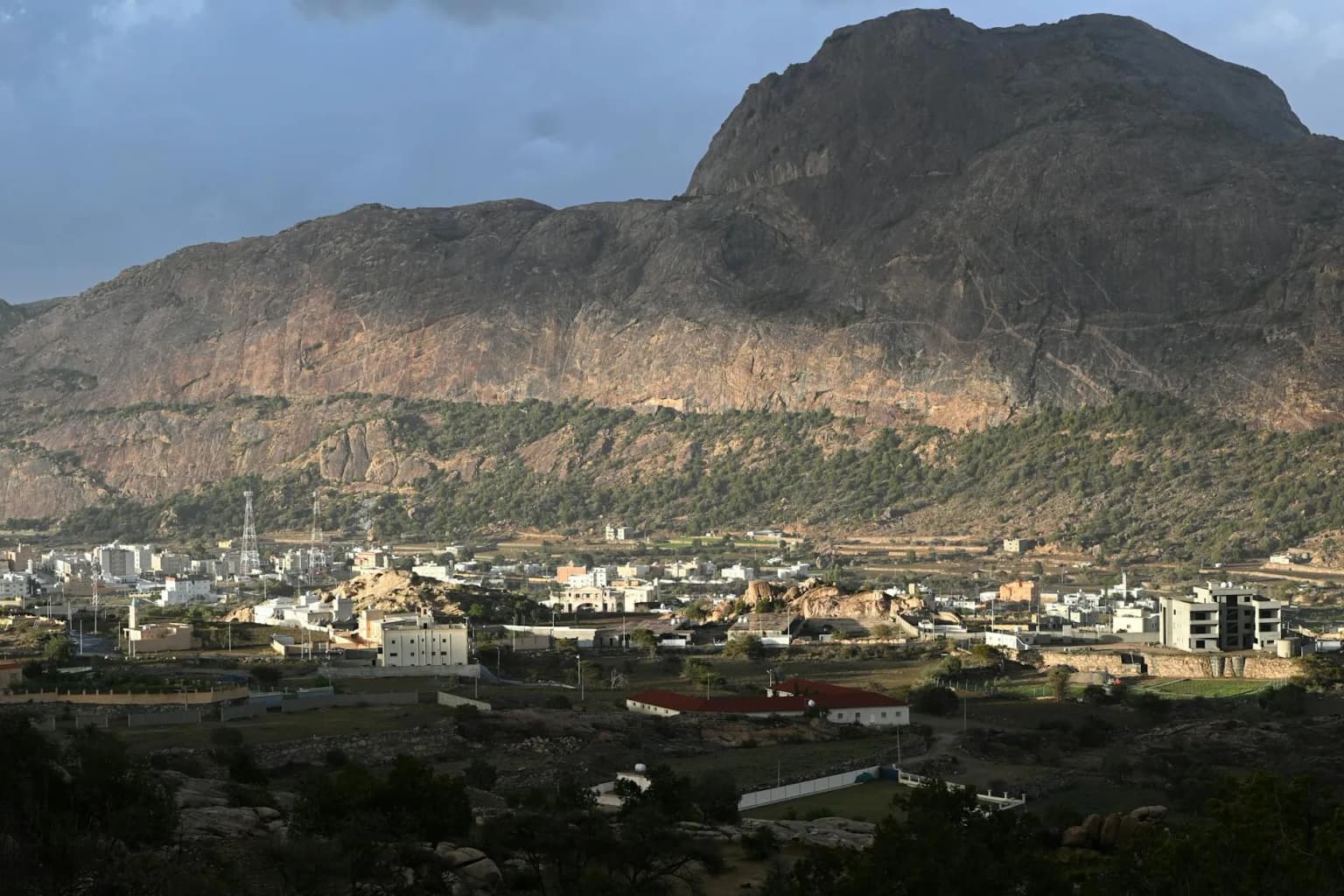
Abha, the capital of the Asir region in southwestern Saudi Arabia, sits at an elevation of 7,448 feet (2,270 m), giving it a cool mountain climate that's a refreshing contrast to the desert heat elsewhere in the Kingdom. Known for its lush green mountains, traditional stone villages, and vibrant Asiri culture with its distinctive colorful architecture, Abha has become one of Saudi Arabia's top domestic tourism destinations, especially during summer.
Whether you are interested in history, culture, architecture, or simply experiencing authentic Saudi life, Abha offers something for every type of traveler.
Saudi Arabia's premier national park covers a vast area of juniper-clad mountains, deep valleys, and diverse wildlife habitats. The park is home to troops of hamadryas baboons, Arabian leopards, and over 300 bird species. Hiking trails wind through ancient juniper forests with panoramic views over the Asir highlands.
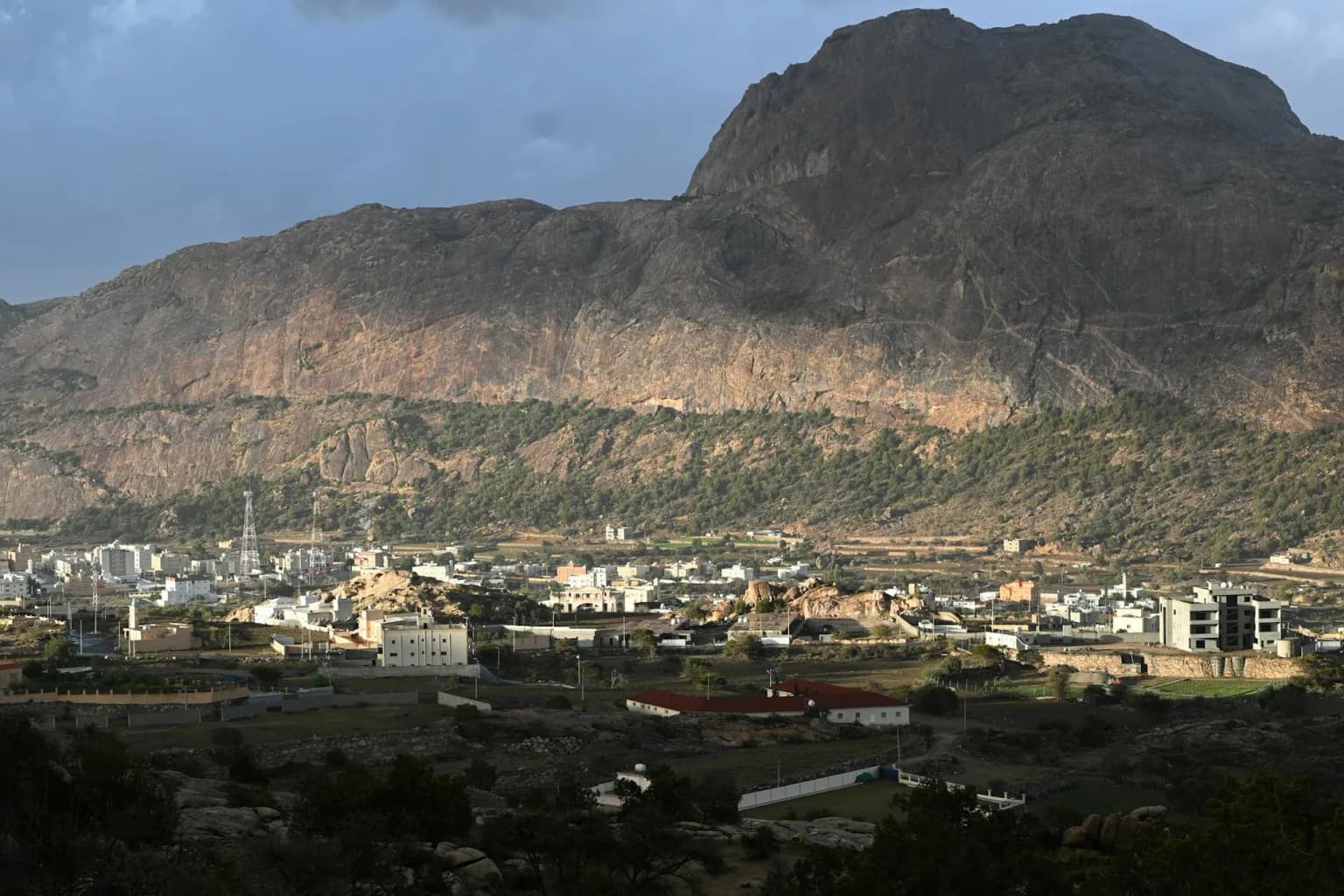
Rising above the city center, Green Mountain is illuminated in vivid green light at night, making it a striking landmark visible from across Abha. A cable car carries visitors to the summit for sweeping panoramic views of the city and surrounding mountains. The area around the base features parks and cafes popular with families.
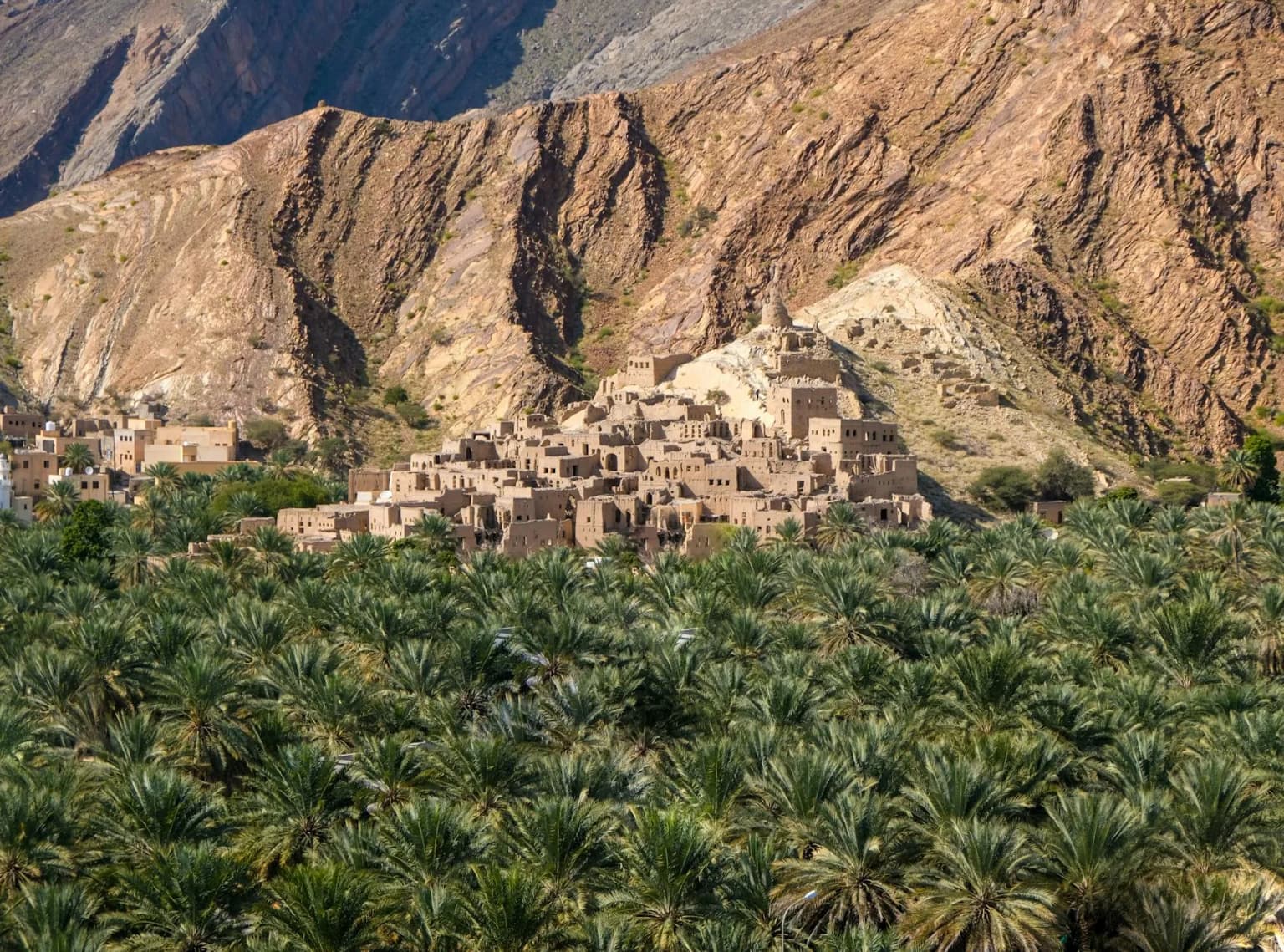
One of Saudi Arabia's most remarkable heritage sites, Habala is an ancient cliffside village clinging to the edge of a steep escarpment. Historically accessible only by rope, the village is now reached by cable car. The stone houses, terraced agriculture, and dramatic setting offer a window into how mountain communities lived in isolation for centuries.
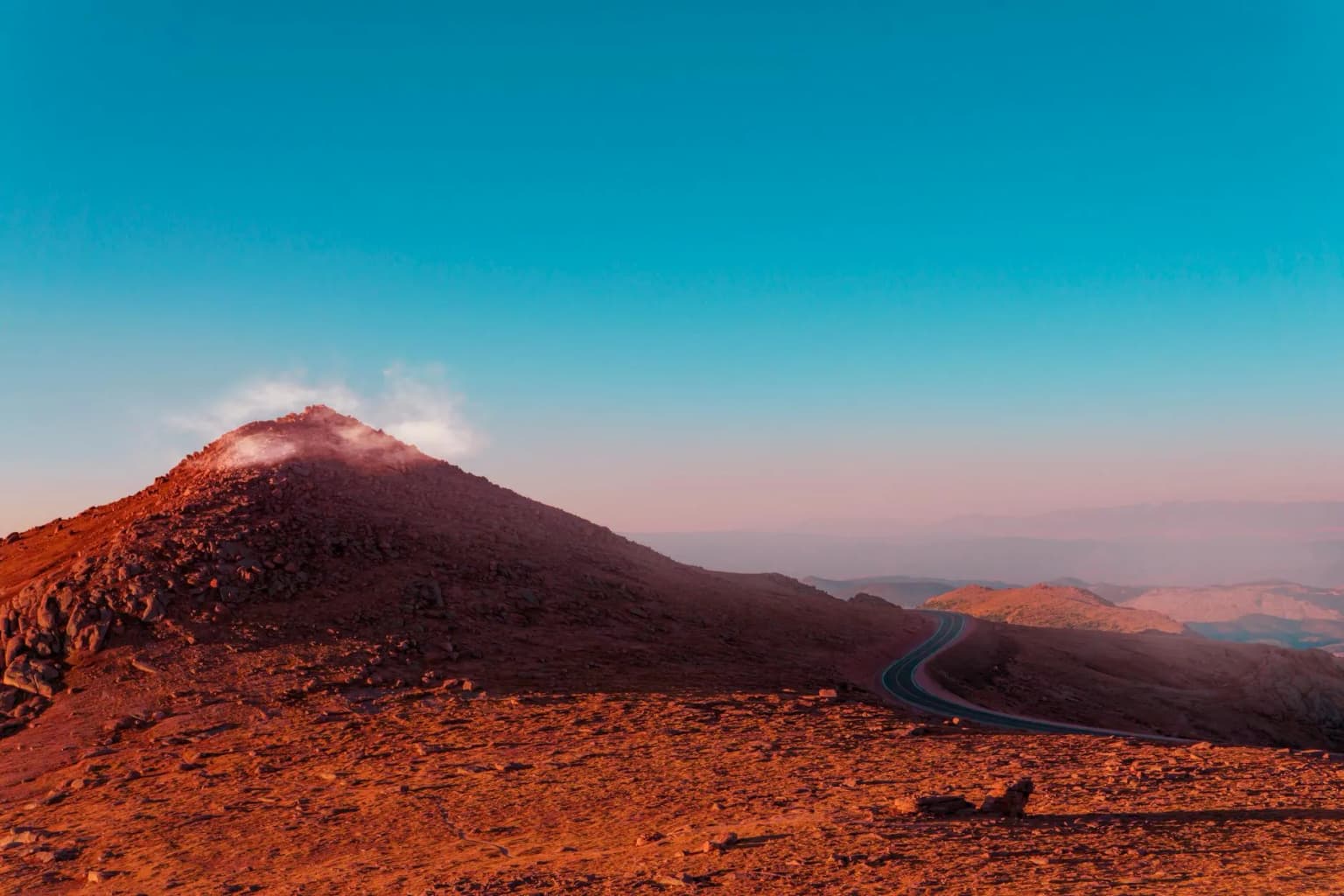
At approximately 9,892 feet (3,015 m), Al Soudah is the highest point in Saudi Arabia. The summit area features rare cloud forests where mist rolls through ancient juniper trees, creating an almost mystical atmosphere. Several hiking trails of varying difficulty lead through the forests, and on clear days the views stretch endlessly across the Tihama lowlands toward the Red Sea coast.
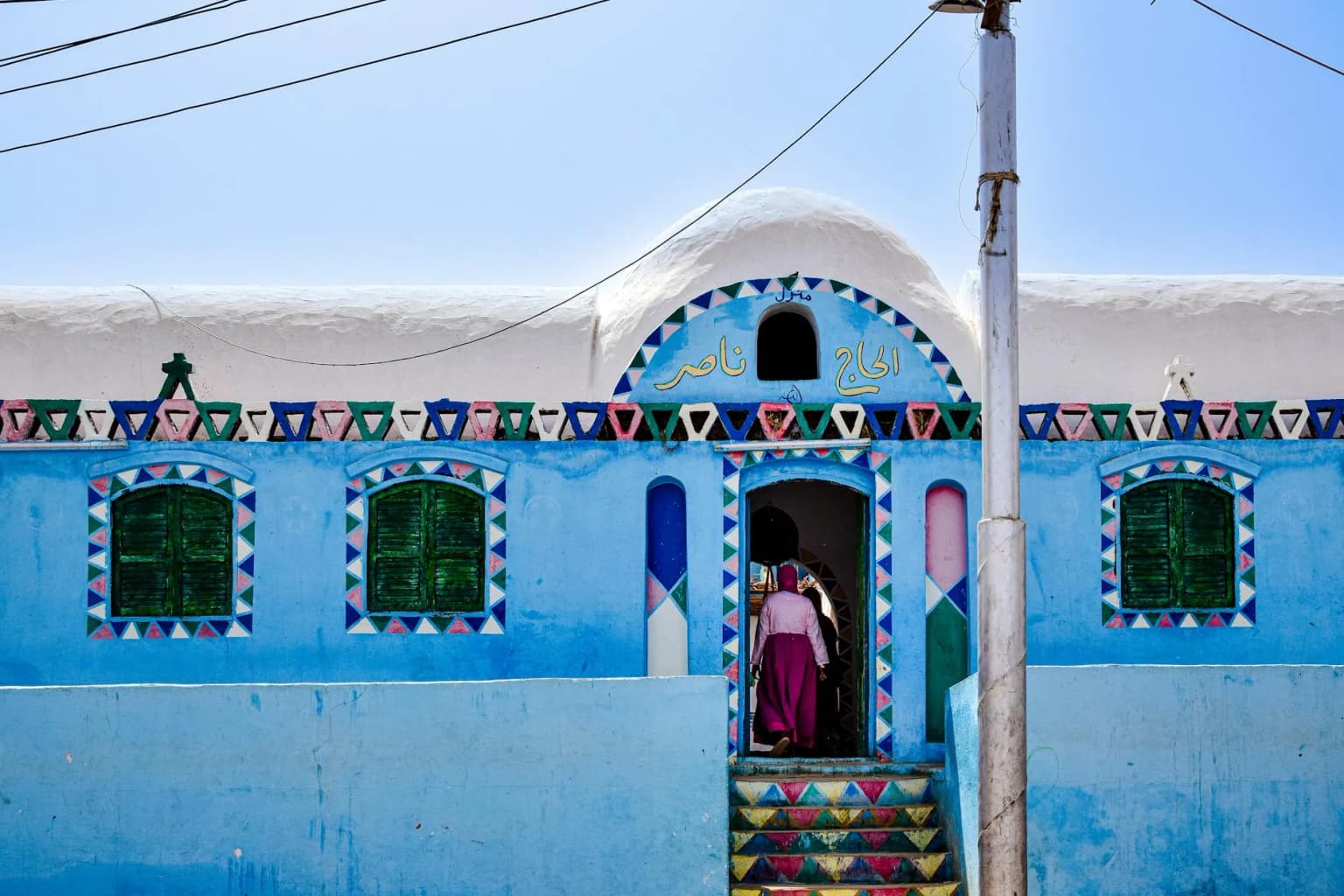
A stunning fortified village of around 60 multi-story stone towers decorated with vibrant geometric patterns in white quartz, red, and other natural pigments. On Saudi Arabia's tentative UNESCO World Heritage list, Rijal Almaa showcases centuries of Asiri building tradition. The village museum displays traditional costumes, weapons, tools, and household items.
Click on a numbered marker to see the attraction name. Numbers correspond to the attraction order below.
Discover and book guided tours, skip-the-line tickets, and unique experiences in Abha.
Asiri cuisine stands distinctly apart from the food found in the rest of Saudi Arabia. The cooler mountain climate, terraced agriculture, and centuries of relative isolation have produced unique dishes built around wheat, honey, ghee, and locally grown herbs. Honey is a cornerstone of the local food culture - Asir produces some of the most prized honey in the Kingdom, and you will find it in everything from breakfast to dessert. Coffee here is different too, brewed with hawaj, a local spice mix that gives it a flavor you will not find in Riyadh or Jeddah.
Aseeda A traditional wheat porridge cooked to a thick, dough-like consistency and served in a communal dish with wells of ghee and local mountain honey. A staple comfort food of the Asir region, eaten by pulling off pieces with the right hand and dipping them in the ghee and honey. A plate typically costs 20-35 SAR.
Masoob A popular banana bread dessert made by mashing ripe bananas with flatbread, then mixing with cream, honey, and sometimes dates. Served warm, it is rich, sweet, and deeply satisfying after a day of mountain hiking. A plate typically costs 15-25 SAR.
Asiri Mountain Honey The Asir region produces what many consider the finest honey in Saudi Arabia. Varieties range from wildflower to sidr (jujube tree) and sumra, each with distinct flavors shaped by the mountain flora. Sold by local beekeepers and at souqs. A plate typically costs 50-300 SAR per jar.
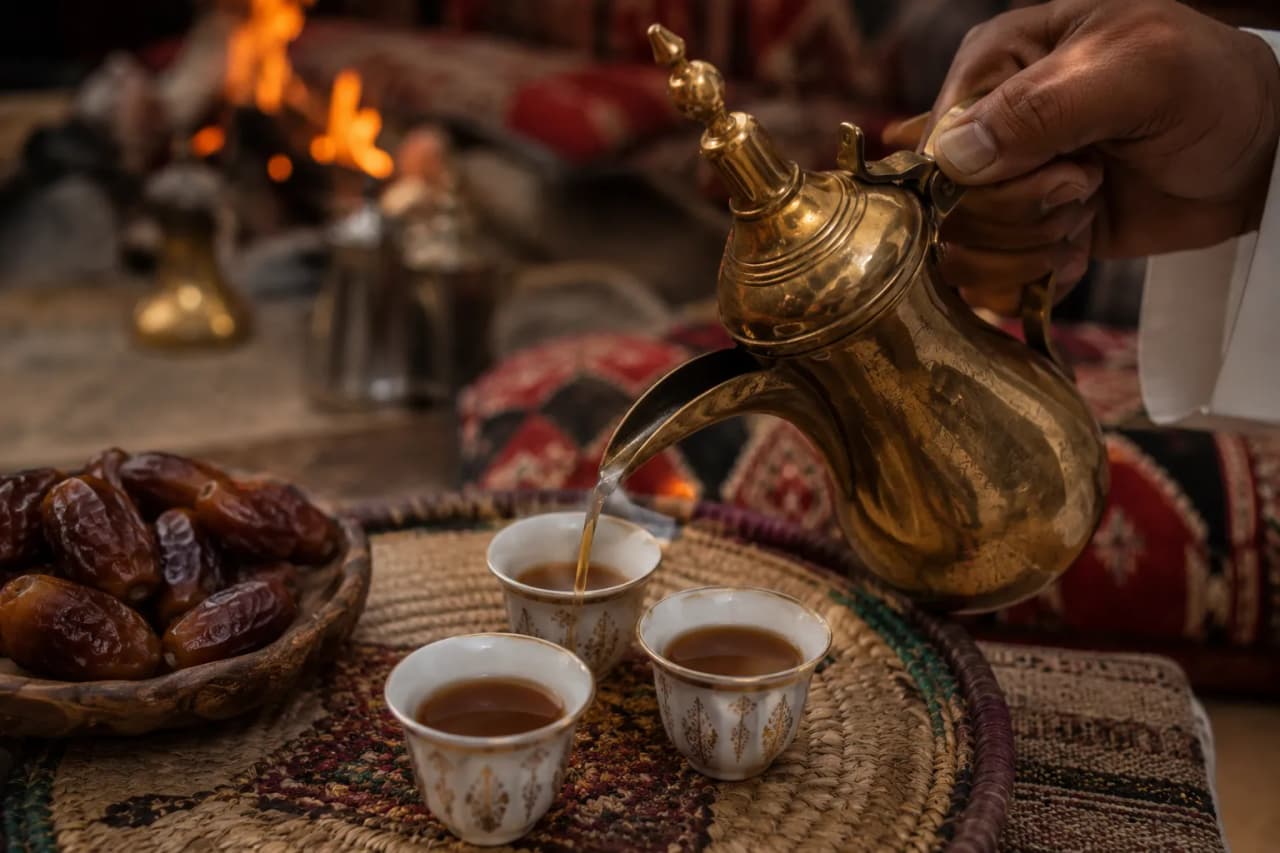
Qahwa with Hawaj Asiri-style Arabic coffee brewed with hawaj, a local spice blend that gives it a distinctly different flavor from the cardamom-only coffee common in other parts of Saudi Arabia. Served in small cups alongside dates. A plate typically costs 10-20 SAR.
Mughash A traditional Asiri bread baked on hot stones, served with ghee and honey or alongside savory stews. The bread has a distinctive smoky flavor from the stone-baking process that sets it apart from flatbreads found elsewhere. A plate typically costs 15-25 SAR.
Al Masyaf Restaurant (Abha City Center) A popular spot for traditional Asiri dishes served in a rustic mountain setting. Known for its aseeda and grilled meats, with views of the surrounding green hills. Expect to pay around 80-150 SAR for two.
Divan Asir (Near Green Mountain) A well-regarded restaurant specializing in Asiri cuisine with generous portions. The lamb dishes and aseeda are highlights, and the traditional decor gives an authentic dining atmosphere. Expect to pay around 60-120 SAR for two.
Al Baik (Multiple locations) The beloved Saudi fried chicken chain is as popular here as anywhere else in the Kingdom. A quick, affordable option between mountain excursions. Expect to pay around Under 20 SAR.
Cloud Nine Cafe (Al Soudah area) A modern cafe perched at elevation with mountain views, serving specialty coffee and light meals. A good spot to rest between activities and enjoy the highland scenery. Expect to pay around 30-60 SAR per person.
Asiri food is hearty mountain cuisine - expect generous portions of wheat-based dishes with ghee and honey. Share communal dishes to sample more variety.
Buy honey directly from beekeepers or at the Tuesday Souq for the best prices and freshest product. Ask to taste before buying.
Restaurants close during prayer times for 20-30 minutes. If already seated, you may stay but will not be served until prayer ends.
Many traditional restaurants serve food on floor-level cushions. Remove your shoes before sitting.
Card payments are widely accepted, but carry some cash for souq vendors and small roadside honey sellers.
The main supermarket chains in Abha include Panda, Danube, and Tamimi Markets. Local produce, especially mountain-grown vegetables and fruits, is freshest from the weekly souqs. Mountain honey is best purchased from specialist shops or directly from beekeepers in surrounding villages rather than supermarkets.
Choosing the right area can make or break your trip. Here is a quick guide to Abha's neighborhoods to help you pick the best base for your visit.
Click on an area for details. Zones are approximate.
| Neighborhood | Price Level | Why Stay Here |
|---|---|---|
| City Center | Medium | The main commercial area with souqs, government offices, restaurants, and hotels. |
| Al Mahalah | Low-Medium | Traditional residential area with older architecture and local character, affordable living. |
| Khamis Mushait (adjacent city) | Low-Medium | The twin city of Abha with a military base, commercial areas, and more affordable housing. |
| Al Souda area | Medium-High | Mountain area near the highest peak in Saudi Arabia (Jebel Souda at 9,892 ft / 3,015 m), tourist resorts and vacation homes. |
| New Abha | Medium | Modern development area with newer housing, schools, and commercial facilities. |
Hotel prices correlate with neighborhood rent levels. For longer stays, consider renting an apartment for better value. Planning to relocate? See our full Abha living guide.
Abha is best explored by car. The city itself is navigable, but the major attractions are spread across the surrounding mountains with distances of 19 to 34 miles (30 to 55 km) between sites. Public transport is very limited, so renting a car or arranging a driver is the most practical approach for visitors.
Car rental (100-150 SAR per day for a basic sedan, fuel ~2.3 SAR/liter) The most practical option for exploring Abha and the surrounding mountains. Many attractions like Rijal Almaa and Al Soudah require your own vehicle. Roads are well-maintained and scenic, though winding mountain roads require careful driving.
Ride-hailing (Uber & Careem) (10-25 SAR within Abha, 50-100 SAR to outer attractions) Both apps operate in Abha but availability can be limited, especially for trips to remote attractions like Habala or Rijal Almaa. Best for getting around the city center.
Cable cars (25-50 SAR per ride) Cable cars at Green Mountain and Habala Village serve both as transport and attractions in themselves. The Habala cable car is the only way to reach the village.
Taxis (10-30 SAR for city trips) Traditional taxis are available in the city but less convenient than ride-hailing apps. Negotiate the fare before getting in.
Abha Regional Airport (AHB) is located about 12 miles (20 km) from the city center. Domestic flights connect Abha to Riyadh (about 1.5 hours), Jeddah (about 1 hour), and other major cities. A ride-hailing trip to central Abha costs 30-50 SAR. Saudia, flynas, and flyadeal operate regular domestic services.
Mountain roads around Abha are well-paved but winding, with sharp curves and steep gradients. Fog and low cloud cover can reduce visibility dramatically, especially on the road to Al Soudah. Drive slowly in foggy conditions and use your lights. Watch for baboons on the roadside - they are common and occasionally cross the road. The scenic drives are some of the most beautiful in Saudi Arabia, so take your time and enjoy them.
Useful apps: Careem, Uber, Google Maps, Waze, Almosafer.
The mountains surrounding Abha contain some of Saudi Arabia's most spectacular scenery and cultural heritage. From UNESCO-worthy heritage villages to the highest peak in the Kingdom, the day trips from Abha showcase a side of Saudi Arabia that surprises most visitors - green, cool, and culturally distinct from anywhere else in the country.
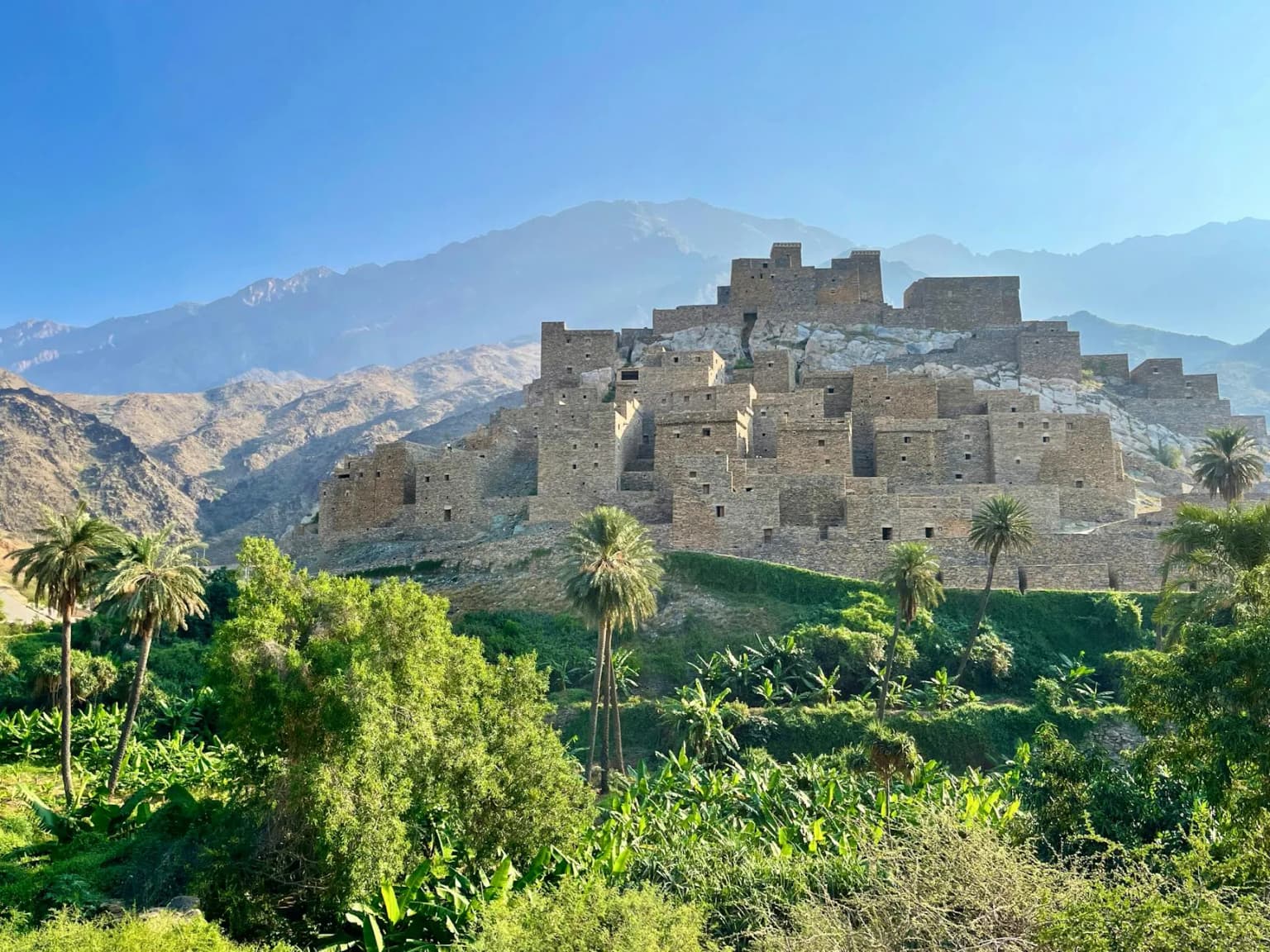
A magnificently preserved fortified village with around 60 multi-story stone towers decorated in vibrant geometric patterns using natural pigments. The village museum offers insight into centuries of Asiri culture. On Saudi Arabia's tentative UNESCO World Heritage list.
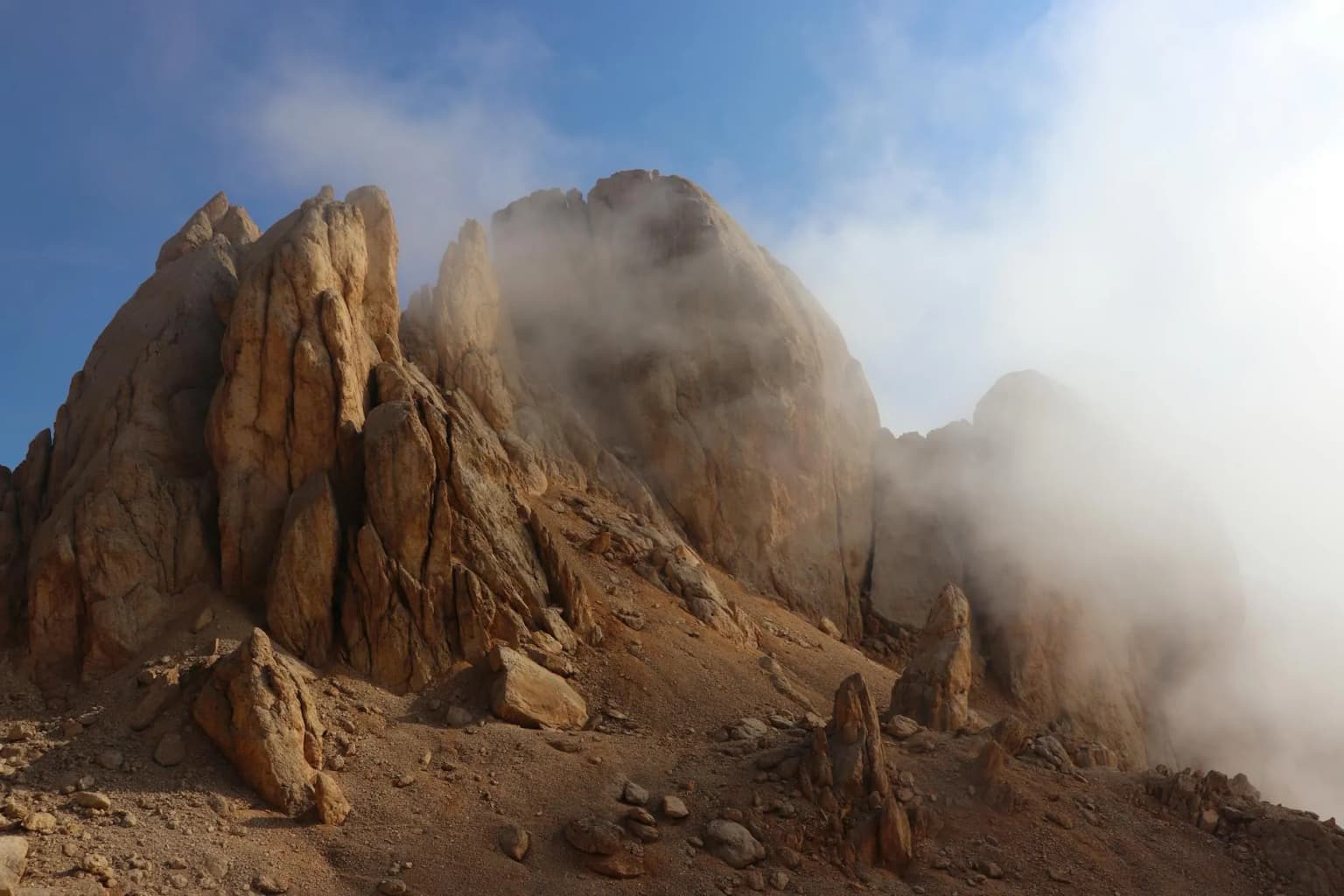
The highest point in Saudi Arabia at approximately 3,015 meters. Cloud forests, hiking trails through ancient juniper trees, and views stretching toward the Red Sea coast make this a must-visit from Abha. Temperatures are noticeably cooler than in the city.
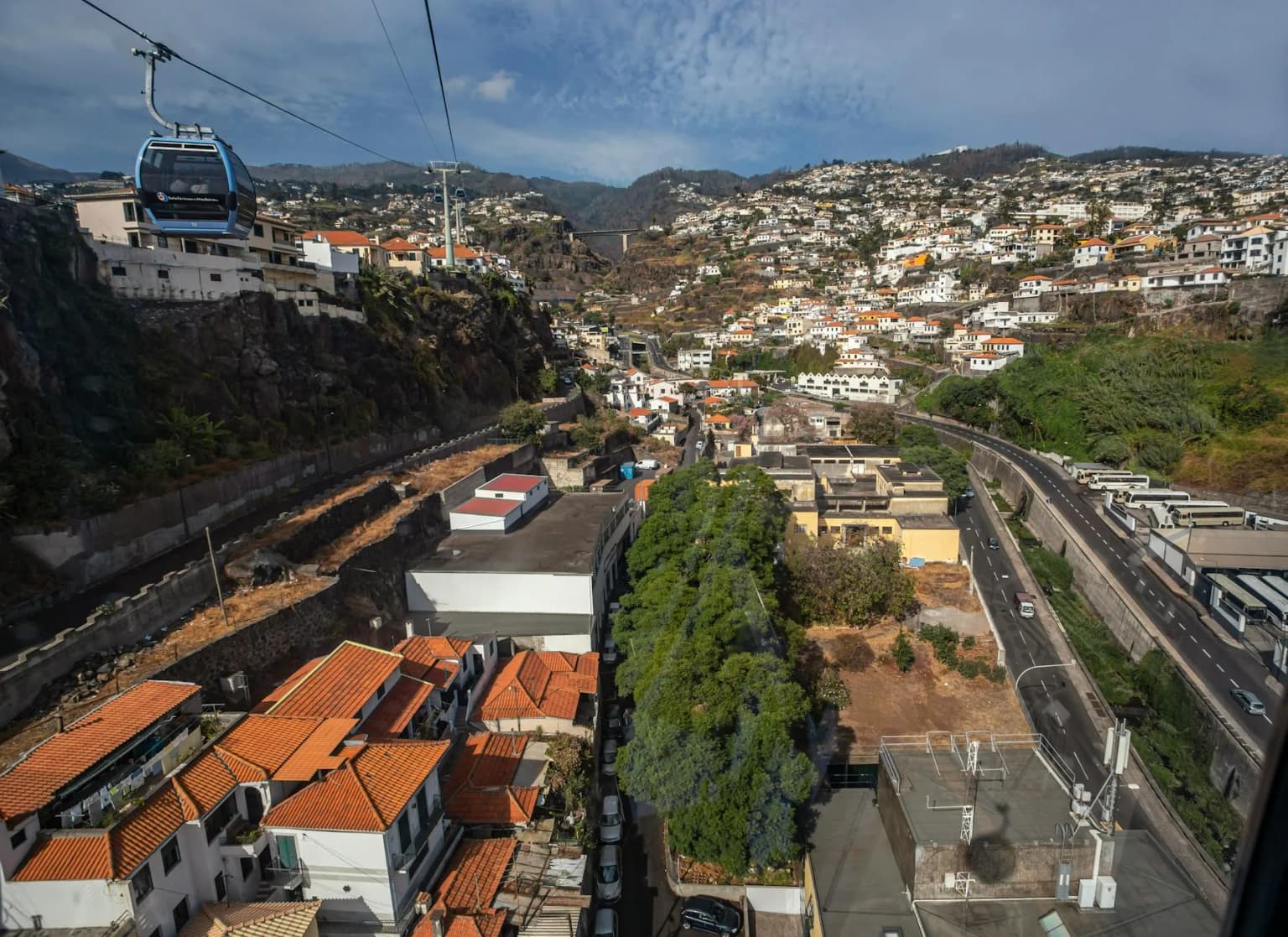
An ancient cliffside village accessible only by cable car, once home to a community that lived in near-total isolation on a sheer mountain face. The cable car ride down the escarpment is spectacular, and the village's stone houses and terraced gardens are remarkably preserved.
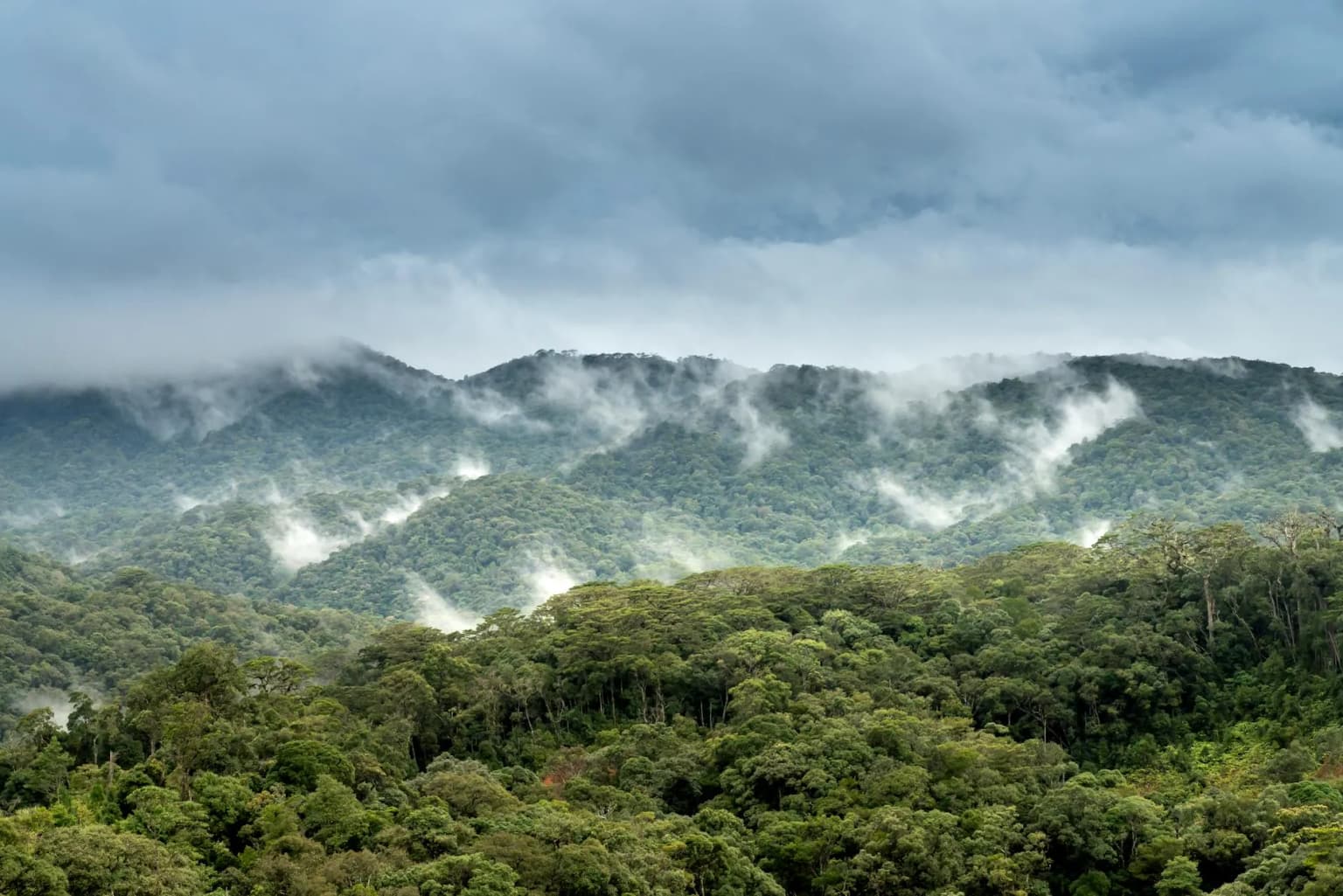
A mountain town north of Abha known for its cool forests, seasonal waterfalls, and agricultural terraces. The surrounding valleys are carpeted in green during the monsoon season, and the town offers a quieter, more local alternative to the busier Abha attractions.
Asir National Park trails are free to explore, with hiking paths through juniper forests and mountain viewpoints offering stunning views across the highlands.
Green Mountain offers free panoramic views of Abha from multiple vantage points around its base and summit area, though the cable car has a fee.
Walking through traditional mountain villages in the Asir region costs nothing and provides an authentic look at centuries-old stone architecture.
Mountain viewpoints along the roads between Abha, Al Soudah, and Habala offer some of the most spectacular free scenery in Saudi Arabia.
Browsing the local souqs, including the Tuesday Souq, is free and gives you a taste of Asiri daily life and culture.
At 2,270 meters elevation, Abha has the coolest climate in Saudi Arabia, with temperatures that can drop near freezing in winter - a stark contrast to the 45°C-plus heat in Riyadh and the Eastern Province.
Asir receives the highest rainfall in Saudi Arabia, thanks to its position catching moisture from Indian Ocean monsoons. The summer monsoon turns the mountains green in a way that surprises most visitors.
Rijal Almaa's stone towers are decorated with quartz and basalt patterns that have been maintained for centuries. The geometric designs are unique to this village.
Al Soudah, at approximately 3,015 meters, is the highest point in Saudi Arabia. On clear days you can see all the way to the Red Sea coast from the summit.
The Al-Qatt Al-Asiri geometric wall painting tradition, practiced by women of the Asir region, was inscribed on UNESCO's Intangible Cultural Heritage list in 2017, recognizing it as a living art form.
Abha's mountain honey, particularly varieties from wildflowers and sidr trees, is considered among the finest in the Middle East and can sell for hundreds of riyals per kilogram.
Popular souvenirs from Abha include: Asiri mountain honey is the signature purchase, with varieties ranging from wildflower to sidr and sumra. Buy from beekeepers or specialist shops for the best quality and price., Traditional Asiri handicrafts including handwoven baskets, embroidered textiles, and items decorated with Al-Qatt geometric patterns make distinctive souvenirs found nowhere else in Saudi Arabia., Local spices and the hawaj coffee spice blend are lightweight, affordable gifts that capture the unique flavors of Asiri cuisine..
Saudi Arabian culture emphasizes hospitality, respect, and traditional values. Greet people with "As-salamu alaykum" (Peace be upon you) and accept the response "Wa alaykum as-salam." When offered Arabic coffee (qahwa) and dates, it is customary to accept at least one cup. Shake the cup gently when you have had enough.
Abha has a welcoming atmosphere that balances traditional Saudi values with modern openness to visitors. The city offers a range of cultural experiences from traditional souqs to modern entertainment venues.
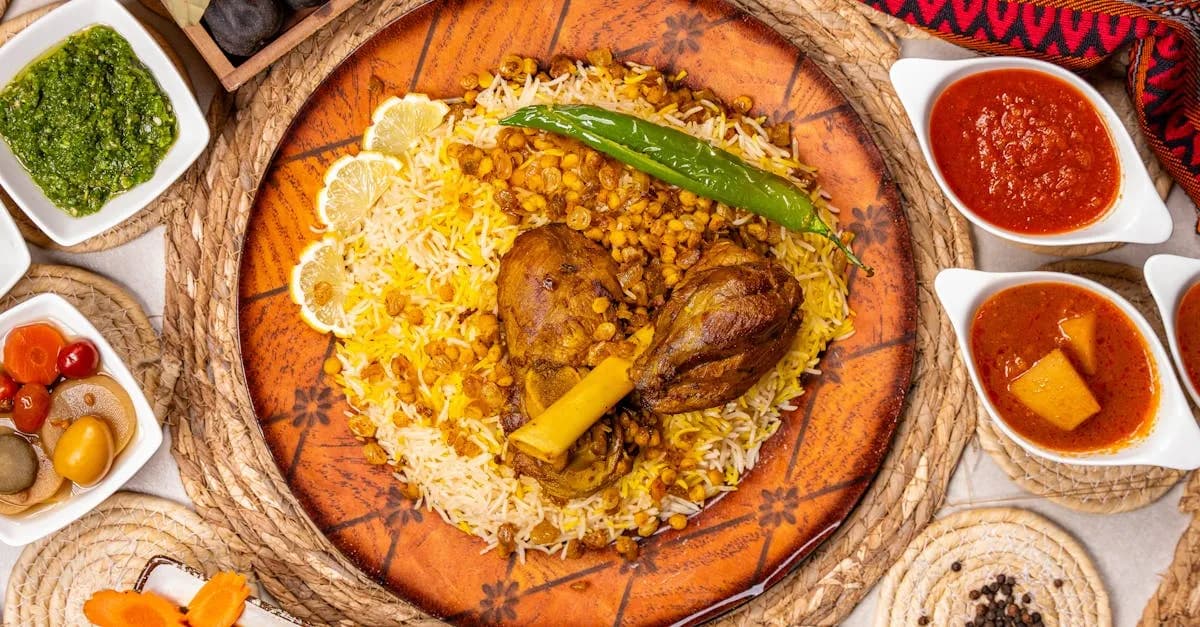
Abha and the Asir region have a distinct cultural identity within Saudi Arabia. The Al-Qatt Al-Asiri art form, where women decorate interior walls with vibrant geometric patterns, was inscribed on UNESCO's Intangible Cultural Heritage list in 2017. The region is known for its traditional stone tower houses, unique cuisine featuring asida and mandi, and the tradition of men wearing flower garlands.
Dress modestly in public, especially when visiting mosques and traditional areas. Women are no longer required to wear an abaya but should dress conservatively. During Ramadan, eating, drinking, and smoking in public during daylight hours should be avoided out of respect. Friday is the main day of worship, and many businesses close during Friday prayer.
Staying connected in Abha is easy. Saudi Arabia has excellent 4G and 5G coverage throughout the Kingdom. Free WiFi is available in most hotels, malls, and many restaurants. For mobile data, consider getting a local SIM card from STC, Mobily, or Zain at the airport or any mobile shop - prepaid plans with generous data allowances are affordable. Alternatively, use an eSIM from providers like Airalo or Holafly for seamless connectivity.
The official language is Arabic, but English is widely spoken in hotels, restaurants, malls, and tourist areas. Most signage is in both Arabic and English. Useful Arabic phrases: "Shukran" (Thank you), "Min fadlak" (Please), "La" (No), "Na'am" (Yes). Google Translate works well for Arabic. For emergencies, dial 911 for police, 997 for fire, 998 for ambulance, or 999 for traffic police.
Many visitors fall in love with Abha and decide to make it their home. If you are considering the move, here are the essential resources.
Cost of living, neighborhoods, job market, and expat community guide for Abha.
Step-by-step guide to renting in Saudi Arabia - where to search, what to expect, and how to avoid scams.
Compare Saudi banks, required documents, and how to open an account as a foreigner.
With its rich heritage, stunning landscapes, and warm hospitality, Abha offers an unforgettable Saudi experience.
Discover more amazing destinations across Saudi Arabia. Each city offers unique experiences, rich heritage, and unforgettable attractions.
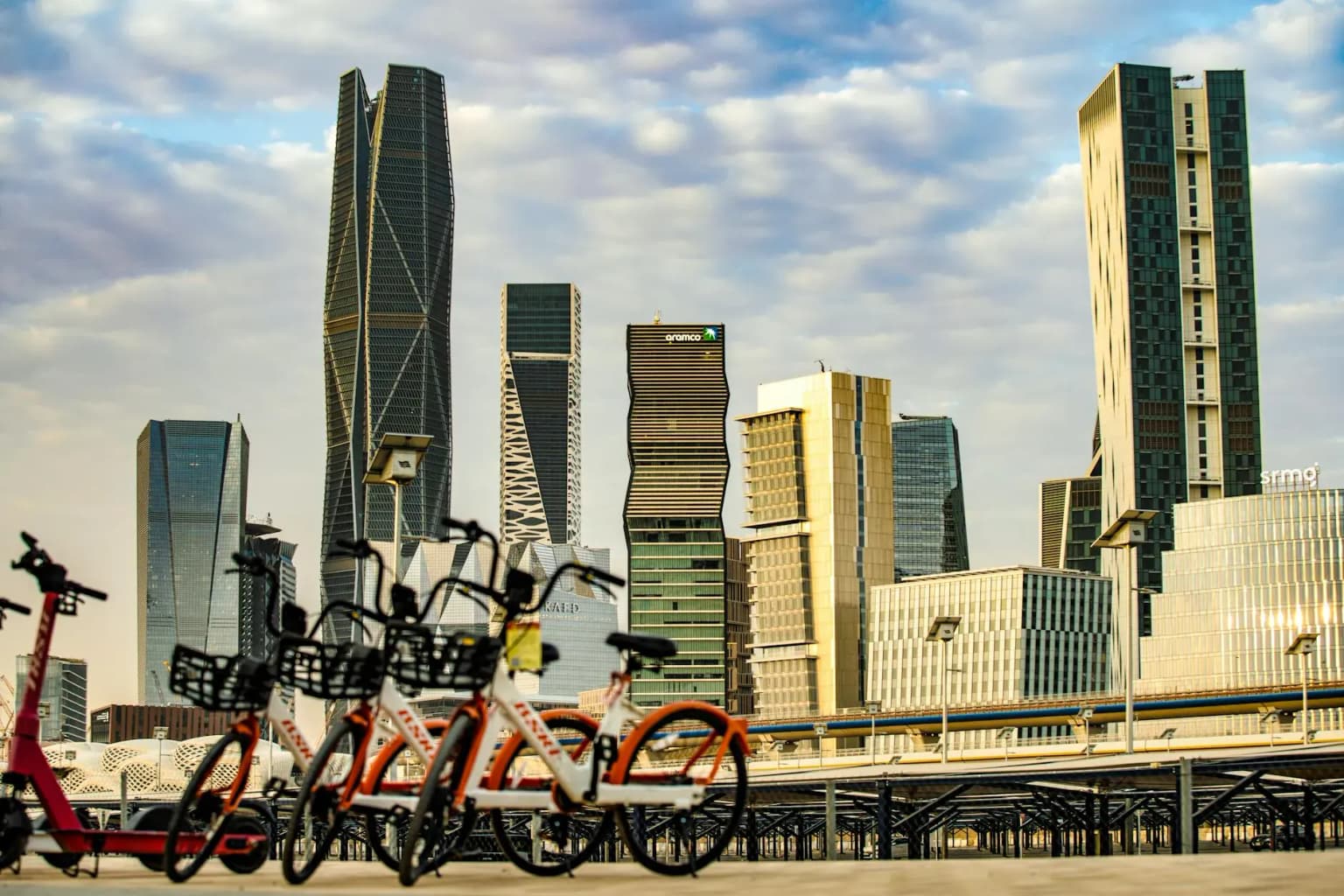
Diriyah (At-Turaif District) · Kingdom Centre Tower · National Museum of Saudi Arabia
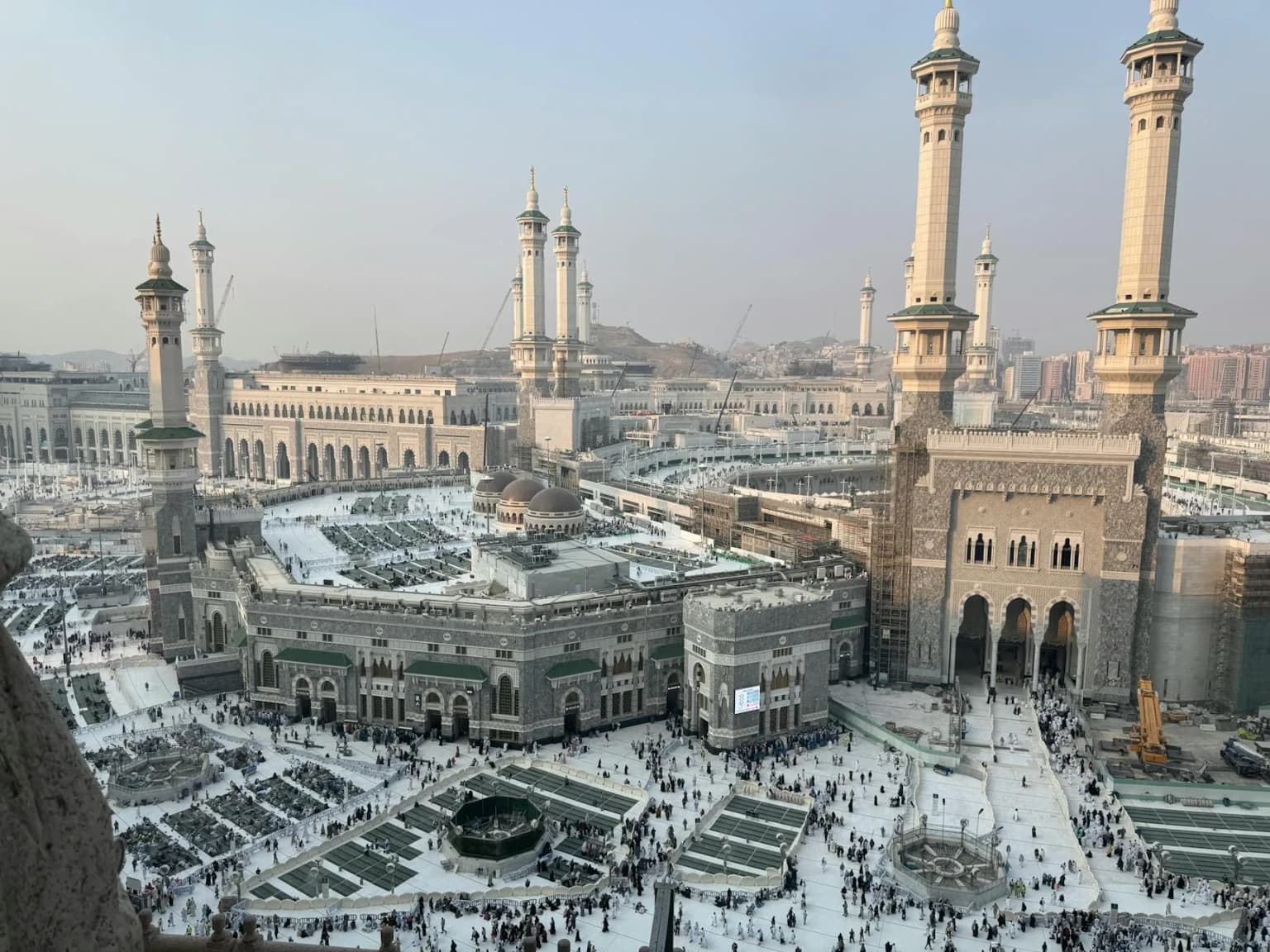
Masjid al-Haram (Grand Mosque) · The Kaaba · Abraj Al-Bait (Makkah Royal Clock Tower)
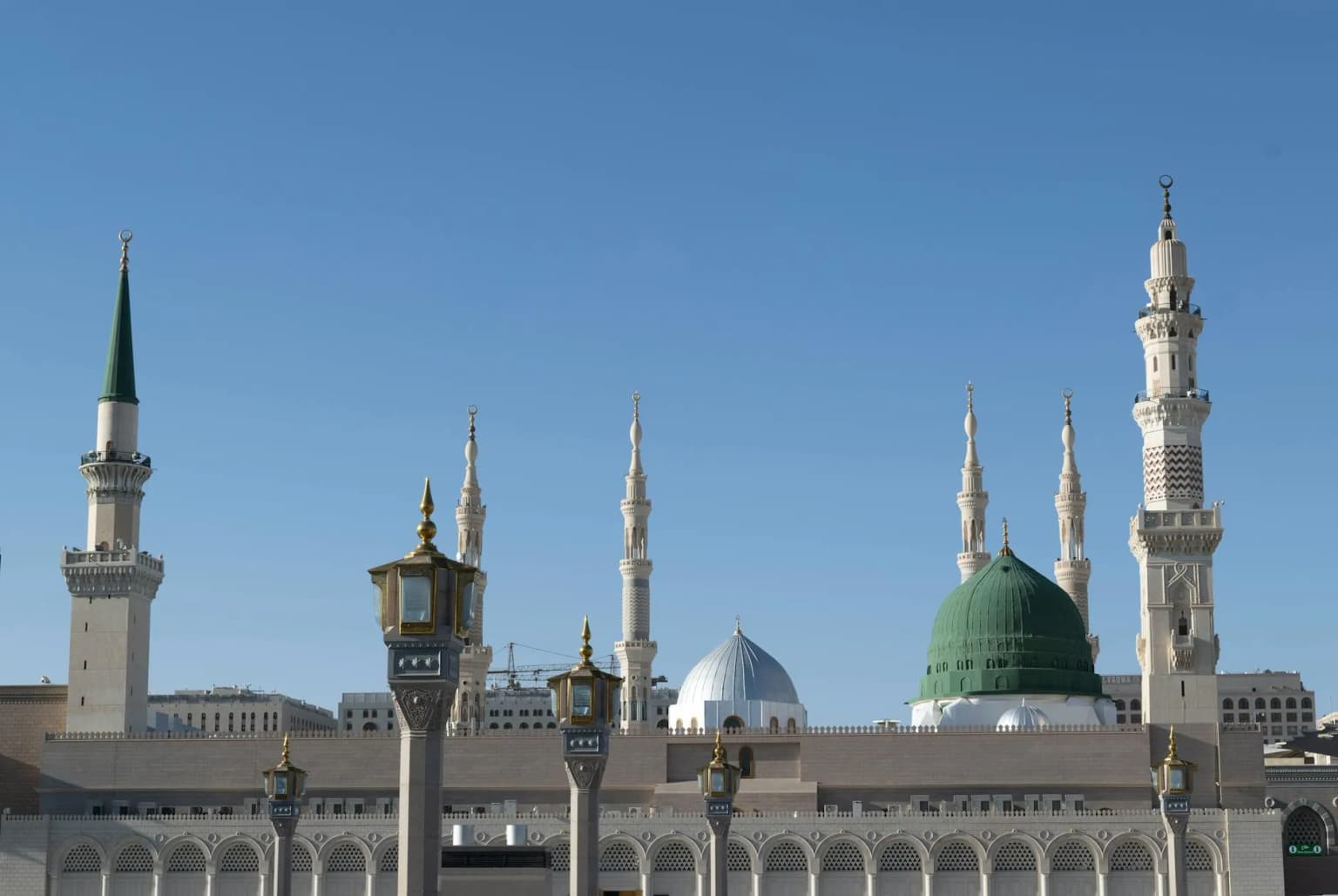
Al-Masjid an-Nabawi (Prophet's Mosque) · Quba Mosque · Mount Uhud
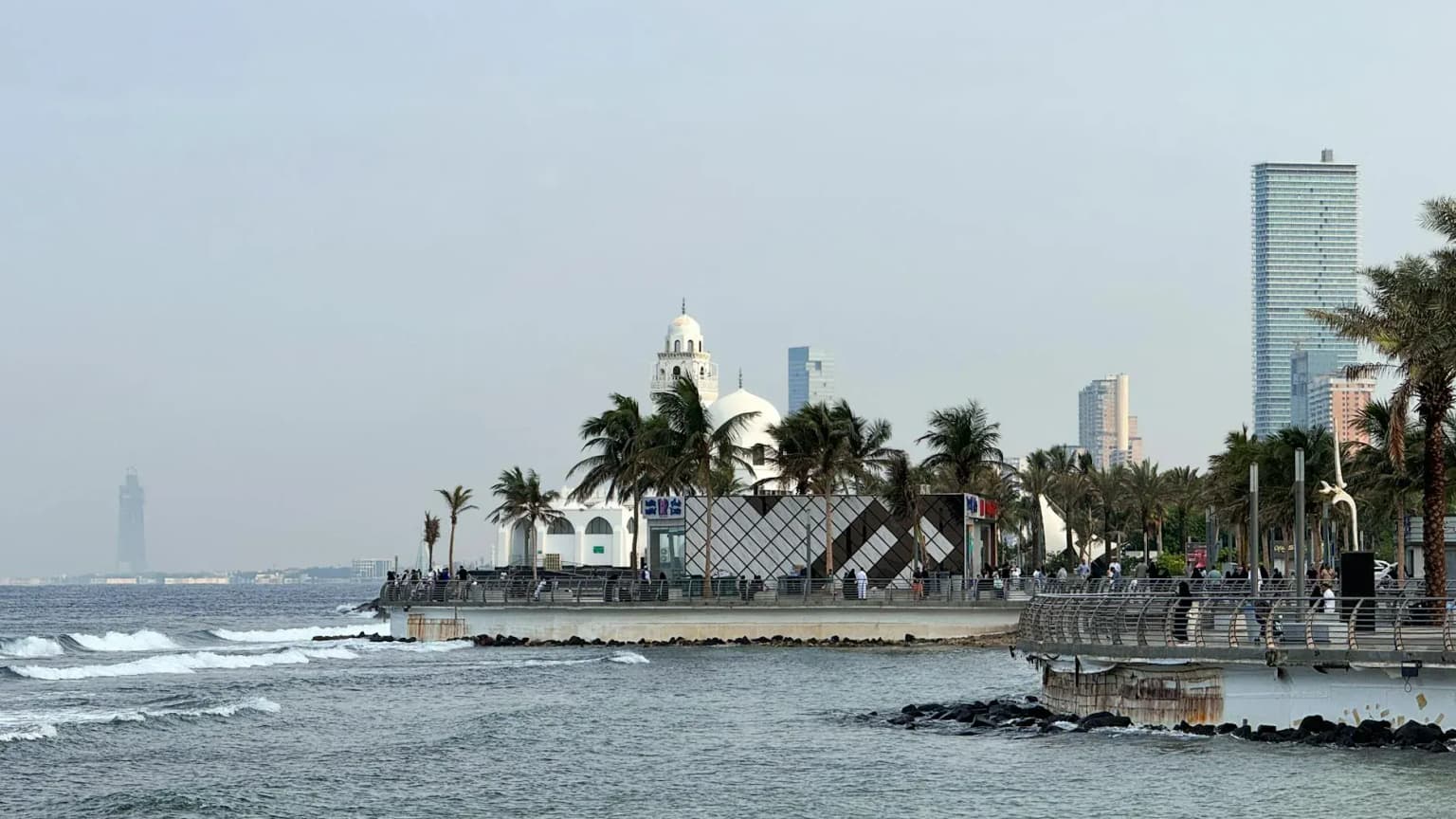
Al-Balad Historic District · King Fahd Fountain · Jeddah Corniche
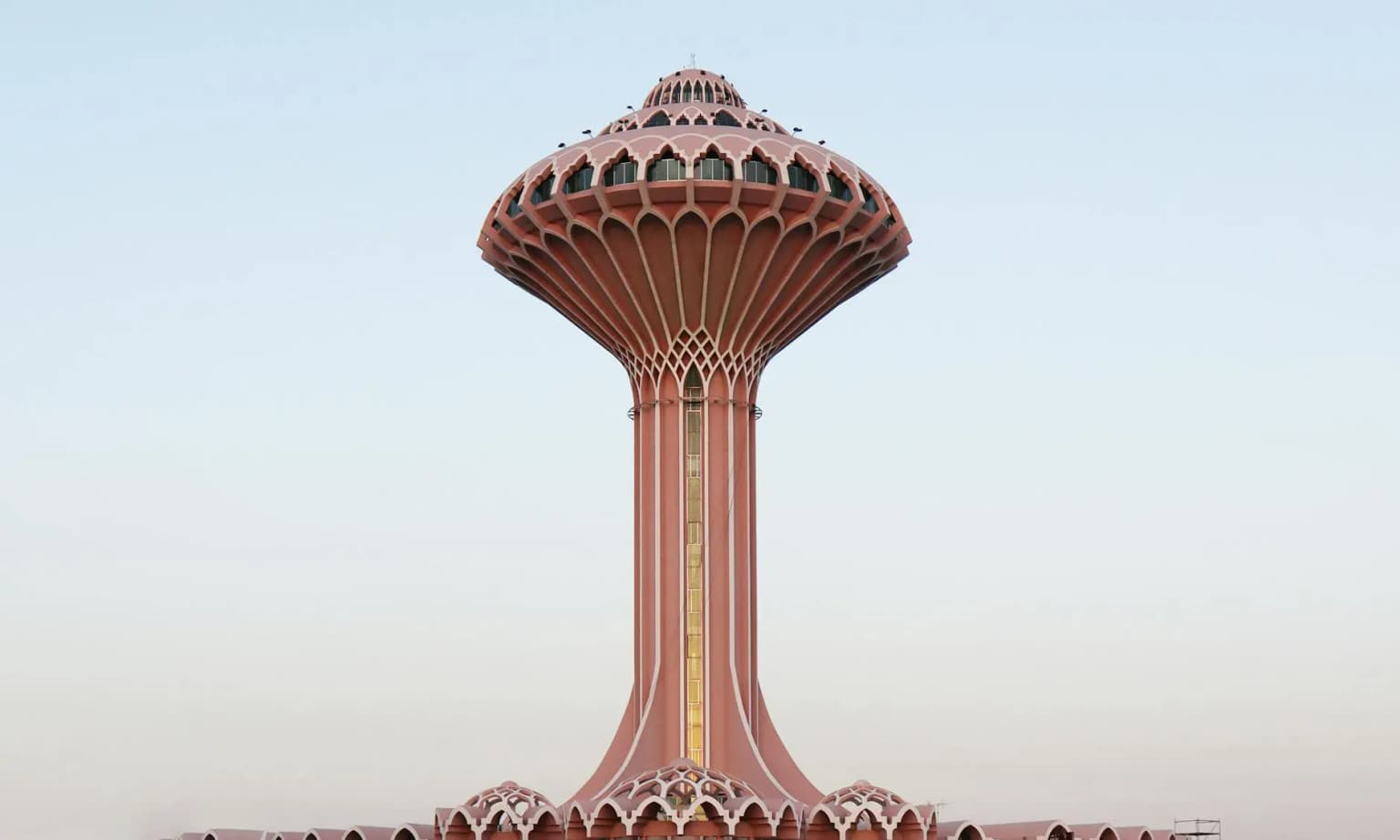
Dammam Corniche · King Abdulaziz Center for World Culture (Ithra) · Half Moon Bay
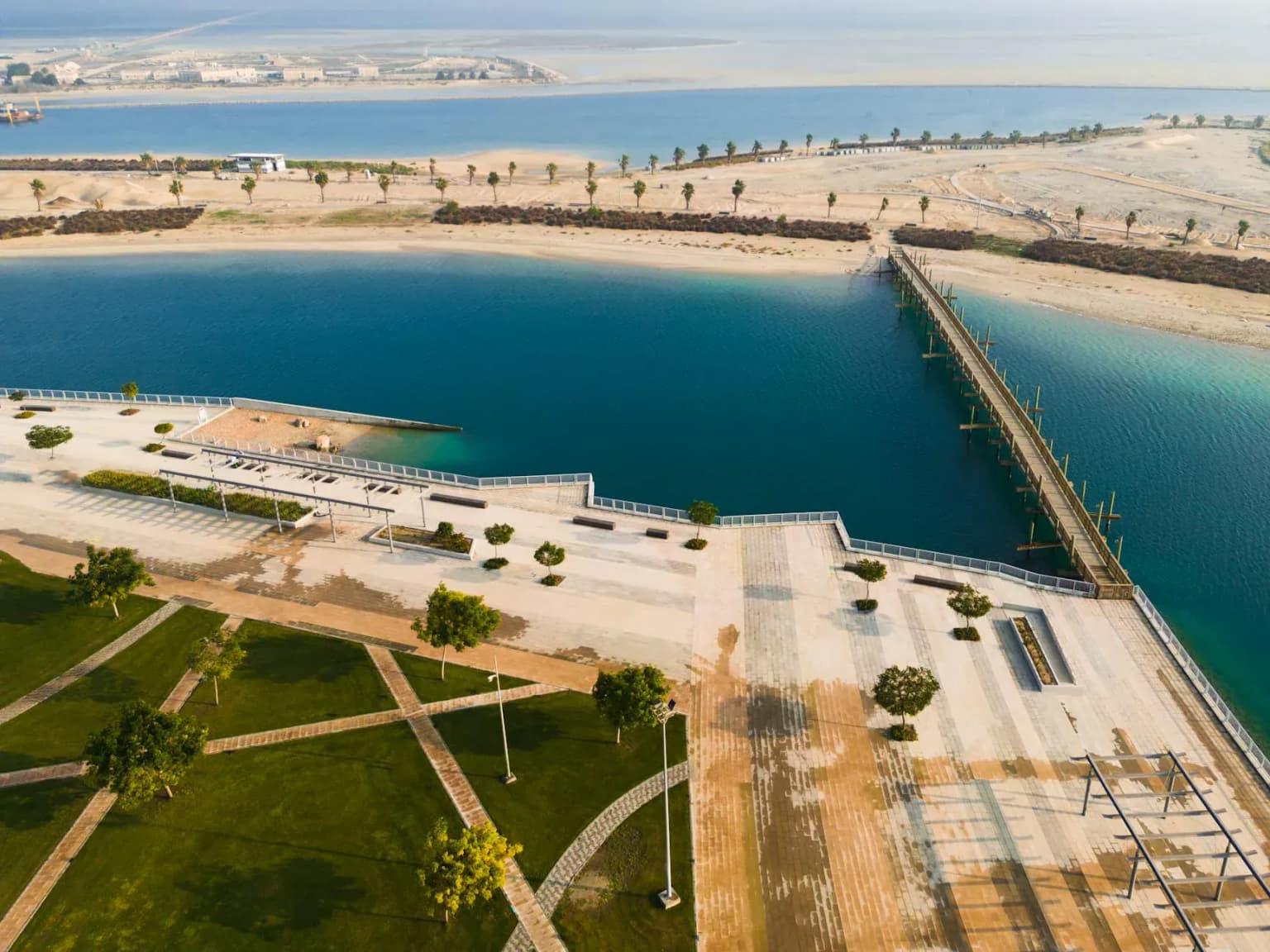
Khobar Corniche · King Fahd Causeway · Sunset Beach
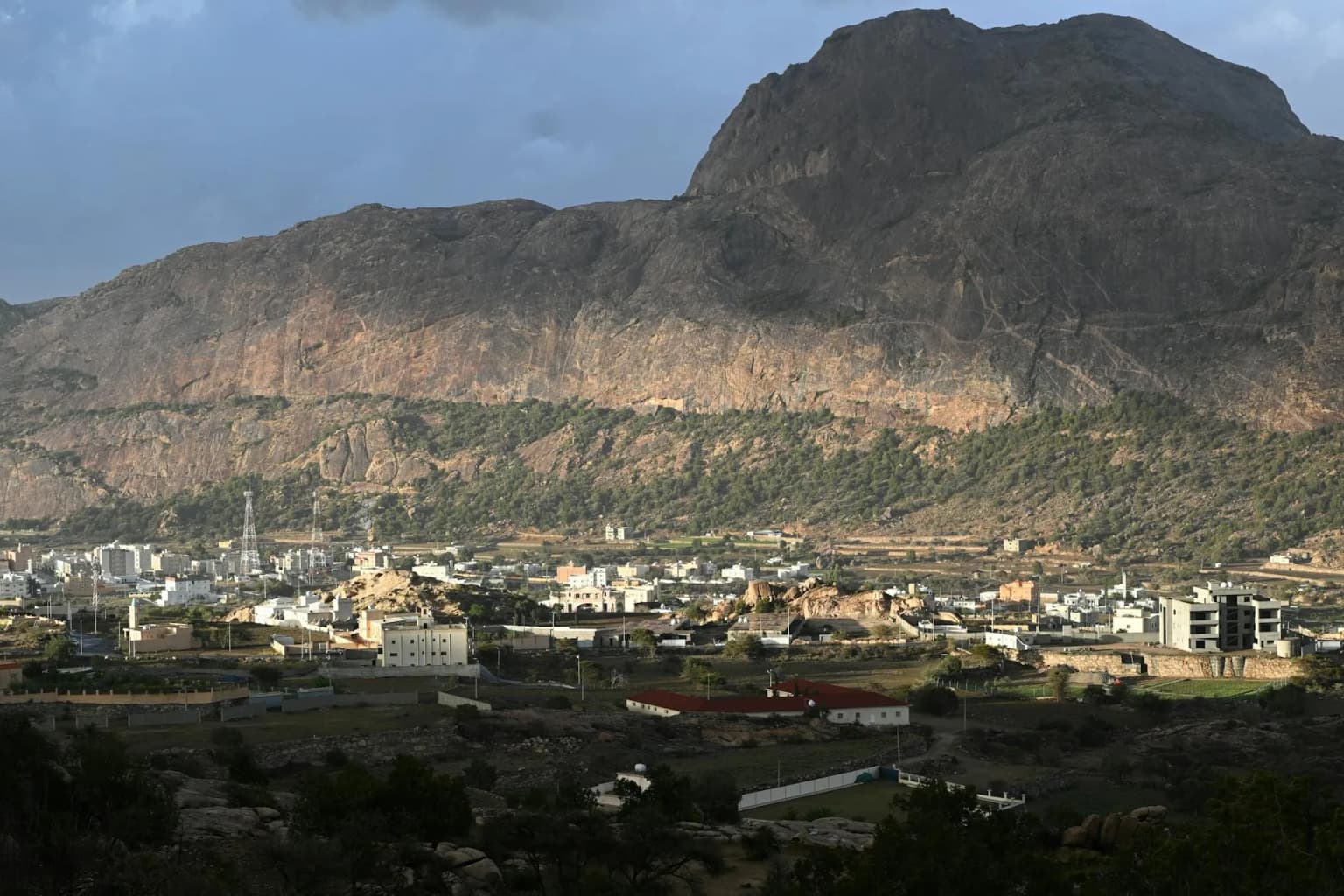
Taif Rose Farms · Al Shafa Mountain · Al Hada Mountains
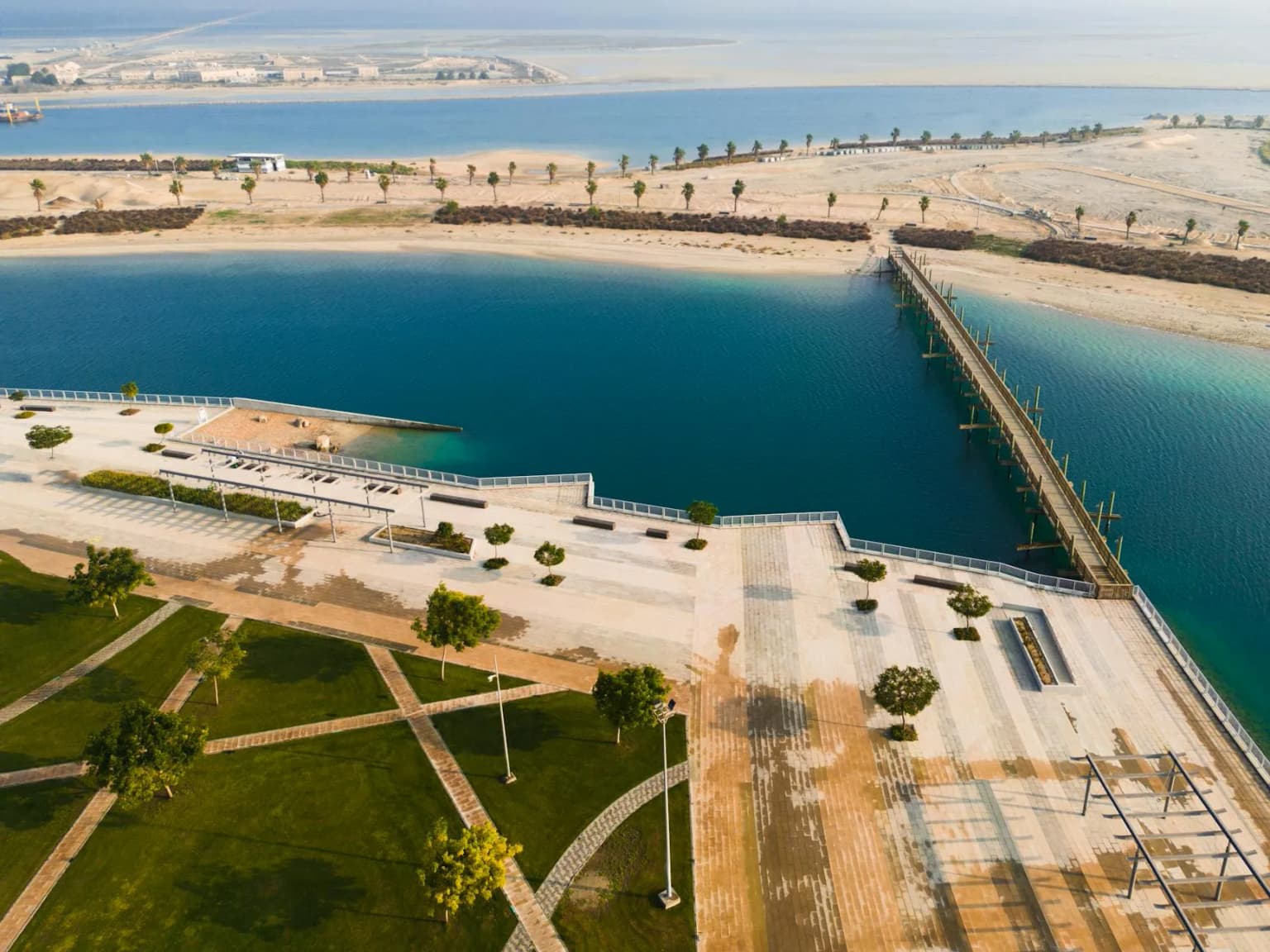
Fanateer Beach · Jubail Mangrove Park · Royal Commission Parks