Loading...
Join our Facebook Group: Join: Expats in Saudi Arabia
Loading...
Saudi Arabia offers a tax-free lifestyle but costs have risen significantly since Vision 2030 began transforming the Kingdom. Whether you are considering a move or already living here, understanding the real costs - from housing and groceries to school fees and entertainment - is essential for financial planning. This guide provides a comprehensive, city-by-city breakdown of what life actually costs in 2026.
By How to Saudi Arabia Editorial Team · Last updated:
Saudi Arabia's cost of living has changed significantly since 2020. The introduction of 15% VAT in 2020, rising fuel prices, and the housing boom driven by Vision 2030 projects have all pushed costs upward. However, the Kingdom remains considerably more affordable than most Western countries and neighboring UAE - particularly because there is no personal income tax. Your gross salary is your net salary, which is a massive advantage when comparing offers internationally.
The biggest variable in your cost of living is housing, which typically accounts for 30-50% of total expenses. Riyadh has become noticeably more expensive since 2022, with rents rising 20-40% as multinational companies relocate their regional headquarters to the capital. Jeddah and the Eastern Province remain more affordable alternatives with excellent quality of life.
After housing, the next major cost divider is education. If you have children in international schools, fees of 40,000-100,000+ SAR per year per child can dramatically change your budget. For singles and couples without children, Saudi Arabia offers an excellent savings potential - many expats save 40-60% of their salary.
Key context: All prices in this guide are in Saudi Riyals (SAR). 1 USD = approximately 3.75 SAR (fixed peg). 1 GBP = approximately 4.70 SAR. 1 EUR = approximately 4.10 SAR. Prices are as of early 2026 and include 15% VAT where applicable.
Use our cost of living calculator to build a personalized budget based on your specific circumstances, or read on for a complete category-by-category breakdown.
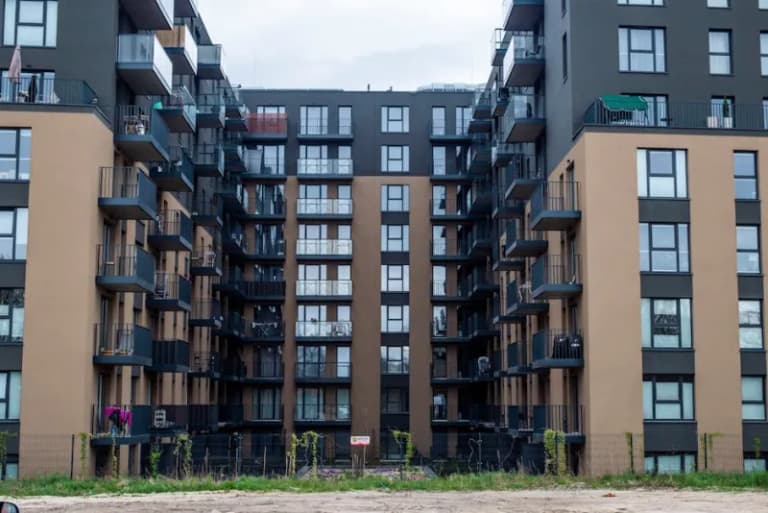
Housing is the single largest expense for most expats in Saudi Arabia. Rent is traditionally quoted and paid annually, though monthly equivalents are shown here for easier comparison. The Saudi rental market operates differently from Western countries - see our complete rental guide for details on the process, Ejar registration, and what to expect.
The capital is the most expensive city for housing in Saudi Arabia. Prices surged between 2022 and 2025 due to the influx of multinational companies and their employees. North Riyadh (Al Nakheel, Malqa, Hittin, Aqeeq) is the most expensive area, favored by Western expats for its modern infrastructure and proximity to international schools.
| Property Type | Monthly (SAR) | Annual (SAR) |
|---|---|---|
| Studio / 1-bedroom apartment | 2,500 - 5,000 | 30,000 - 60,000 |
| 2-bedroom apartment | 3,500 - 7,000 | 42,000 - 84,000 |
| 3-bedroom apartment | 5,000 - 12,000 | 60,000 - 144,000 |
| 3-bedroom villa (standalone) | 6,000 - 12,000 | 72,000 - 144,000 |
| 4-bedroom villa (standalone) | 8,000 - 18,000 | 96,000 - 216,000 |
| Compound villa (3-4 bed) | 10,000 - 25,000+ | 120,000 - 300,000+ |
Jeddah is generally 10-25% cheaper than Riyadh for comparable housing. The city's appeal includes the Red Sea coastline, a more cosmopolitan atmosphere, and proximity to Mecca for Muslim expats. Popular expat neighborhoods include Al Rawdah, Al Zahra, Obhur, and the newer developments north of the city.
| Property Type | Monthly (SAR) | Annual (SAR) |
|---|---|---|
| Studio / 1-bedroom apartment | 2,000 - 4,000 | 24,000 - 48,000 |
| 2-bedroom apartment | 3,000 - 5,500 | 36,000 - 66,000 |
| 3-bedroom apartment | 4,000 - 9,000 | 48,000 - 108,000 |
| 3-bedroom villa | 5,000 - 10,000 | 60,000 - 120,000 |
| 4-bedroom villa | 7,000 - 15,000 | 84,000 - 180,000 |
| Compound villa (3-4 bed) | 8,000 - 20,000 | 96,000 - 240,000 |
The Eastern Province offers the best housing value among the three major expat hubs. The Khobar-Dhahran corridor is particularly popular with expats working for Saudi Aramco and the petrochemical industry. Infrastructure is modern, beaches are excellent, and the community is well-established.
| Property Type | Monthly (SAR) | Annual (SAR) |
|---|---|---|
| Studio / 1-bedroom apartment | 1,500 - 3,500 | 18,000 - 42,000 |
| 2-bedroom apartment | 2,500 - 5,000 | 30,000 - 60,000 |
| 3-bedroom apartment | 3,500 - 7,000 | 42,000 - 84,000 |
| 3-bedroom villa | 4,000 - 8,500 | 48,000 - 102,000 |
| 4-bedroom villa | 5,500 - 12,000 | 66,000 - 144,000 |
| Compound villa (3-4 bed) | 7,000 - 16,000 | 84,000 - 192,000 |
Important notes on housing costs: Rent is typically paid annually upfront or in 2-4 installments. Budget for agent commission (2.5% of annual rent) and a security deposit (1-2 months). Furnished apartments cost 30-50% more. Compound prices usually include maintenance, security, and amenities. For a detailed guide on renting, see our how to rent a house guide.
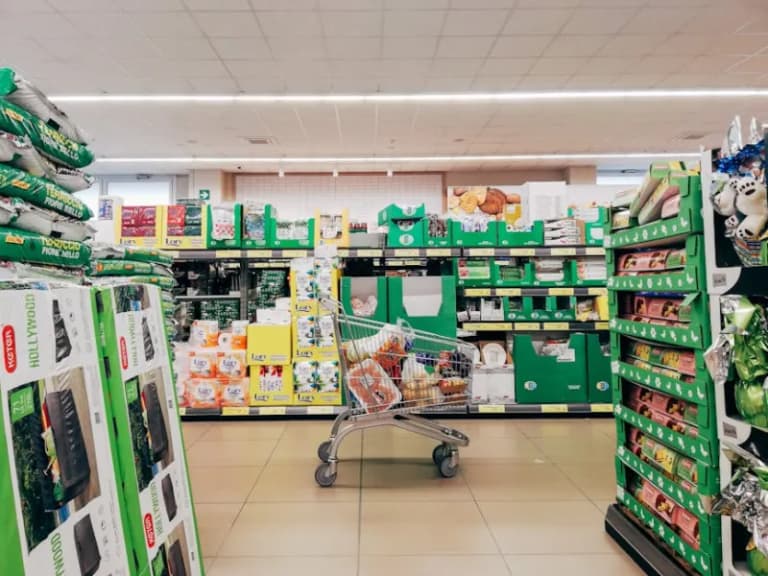
Grocery costs in Saudi Arabia are reasonable, especially for local and regional products. Fresh produce, rice, bread, chicken, and dairy are all affordable. Imported Western products - European cheeses, specialty cereals, imported snacks, organic items - cost significantly more. Your grocery bill depends heavily on whether you buy mostly local or imported products.
Major supermarket chains include Panda (budget-friendly, widest network), Danube (premium, excellent fresh sections), Tamimi Markets (Western-style, good imported selection), Carrefour (large hypermarkets), and Lulu Hypermarket (good value, wide range). For the cheapest prices on staples, wholesale outlets like Bin Dawood and local neighborhood grocery stores (baqalas) offer significant savings.
| Item | Price (SAR) |
|---|---|
| Milk (1 liter, local brand) | 5 - 7 |
| Bread (white loaf) | 3 - 6 |
| Rice (5 kg, basmati) | 30 - 55 |
| Chicken breast (1 kg) | 20 - 30 |
| Beef (1 kg, local) | 50 - 80 |
| Eggs (30 pack) | 15 - 25 |
| Fresh vegetables (1 kg, seasonal) | 5 - 12 |
| Fresh fruit (1 kg, seasonal) | 8 - 20 |
| Cheese (500g, imported cheddar) | 25 - 45 |
| Cooking oil (1.5 liter) | 12 - 20 |
| Bottled water (12x 1.5L pack) | 12 - 18 |
| Coffee (250g, ground, imported) | 30 - 60 |
| Soft drink (2 liter) | 5 - 8 |
| Infant formula (800g tin) | 55 - 90 |
| Household | Budget (SAR/month) | Premium (SAR/month) |
|---|---|---|
| Single person | 800 - 1,200 | 1,200 - 2,000 |
| Couple | 1,200 - 1,800 | 1,800 - 2,500 |
| Family (2 children) | 1,800 - 2,500 | 2,500 - 3,500 |
"Budget" = primarily local products and bulk buying. "Premium" = imported brands, organic options, specialty items.
Saudi Arabia is a car-dependent country. Public transport exists in Riyadh (metro launched in 2024) and is expanding, but most expats rely on personal vehicles or ride-hailing apps. The good news is that fuel remains heavily subsidized compared to international standards, making driving affordable.
| Transport Cost | Price (SAR) |
|---|---|
| Petrol - 91 octane (per liter) | 2.18 |
| Petrol - 95 octane (per liter) | 2.33 |
| Monthly fuel (avg. commuter, 932 mi / 1,500 km) | 250 - 400 |
| Car insurance (comprehensive, annual) | 2,500 - 6,000 |
| Car registration (annual, Istimara) | 100 - 300 |
| Car lease (new sedan, monthly) | 1,500 - 3,000 |
| Car lease (SUV, monthly) | 2,500 - 5,000 |
| Uber/Careem (6 mi / 10 km ride) | 20 - 40 |
| Uber/Careem (daily commuter, monthly) | 1,500 - 3,000 |
| Riyadh Metro (single ride) | 4 - 8 |
| Riyadh Metro (monthly pass) | 150 - 250 |
| Parking (monthly, office building) | 200 - 500 |
Most expats on 2-3 year contracts lease rather than buy. A new Toyota Camry or equivalent sedan leases for around 1,800-2,500 SAR/month including maintenance. Purchasing a new mid-range sedan (Toyota Camry, Hyundai Sonata) costs 85,000-120,000 SAR. Used cars are available from 25,000 SAR upward, but inspect carefully - Saudi heat and driving conditions are hard on vehicles. Budget 300-600 SAR/month for total car ownership costs (fuel, insurance, maintenance, depreciation) on top of the lease or purchase payment.
School buses for international schools typically cost 3,000-6,000 SAR per child per semester. Many families find this worthwhile given the traffic and morning commute challenges.
Utilities in Saudi Arabia are subsidized but no longer as cheap as they once were. Electricity is the biggest variable, with summer AC usage causing bills to spike dramatically between May and September. Use our energy cost calculator to estimate your specific electricity costs.
| Utility | Apartment (SAR/month) | Villa (SAR/month) |
|---|---|---|
| Electricity (winter) | 150 - 350 | 300 - 700 |
| Electricity (summer) | 400 - 900 | 1,000 - 3,000 |
| Water | 30 - 80 | 80 - 200 |
| Internet (fiber, 100+ Mbps) | 200 - 350 | 200 - 350 |
| Mobile phone (postpaid plan) | 100 - 250 | 100 - 250 |
| Waste collection | 0 (included) | 0 (included) |
A typical apartment dweller should budget 500-1,000 SAR/month for all utilities year-round (averaging summer and winter electricity). Villa residents should budget 1,000-2,500 SAR/month including internet and phone. Summer months (June-September) will be significantly higher due to AC costs. In compounds, some utilities may be included in the rent - always clarify this before signing your lease.
Electricity is billed on a tiered system: the first 6,000 kWh per month costs 0.18 SAR/kWh, and consumption above that threshold is charged at 0.30 SAR/kWh. Villas with large AC systems can easily exceed the lower tier in summer.
Healthcare is one area where expats benefit significantly in Saudi Arabia. By law, employers must provide mandatory health insurance (regulated by the Council of Health Insurance) for all employees and their dependents. This means most routine medical care, specialist consultations, and hospital stays are covered with minimal out-of-pocket costs.
| Healthcare Service | With Insurance (SAR) | Without Insurance (SAR) |
|---|---|---|
| GP consultation | 0 - 75 (copay) | 150 - 300 |
| Specialist consultation | 0 - 100 (copay) | 250 - 600 |
| Dental cleaning | 50 - 150 (copay) | 200 - 400 |
| Dental filling | 50 - 200 (copay) | 300 - 700 |
| Prescription medication (common) | 0 - 50 (copay) | 20 - 200 |
| Hospital room (per night, private) | Usually covered | 1,500 - 4,000 |
| MRI scan | 100 - 300 (copay) | 1,500 - 3,500 |
| Childbirth (normal delivery, private hospital) | 500 - 2,000 (copay) | 12,000 - 25,000 |
Most employer-provided insurance plans have annual limits (typically 250,000-500,000 SAR) and cover 80-100% of costs within their network of approved hospitals. Copays are usually 20% of the service cost, capped at a maximum per visit. Dental and optical coverage varies by plan - check your policy details. Premium plans from companies like Bupa Arabia, Medgulf, and Tawuniya offer wider hospital networks and lower copays.
For budgeting purposes, a healthy individual or couple with good employer insurance should allocate 100-300 SAR/month for copays and over-the-counter medications. Families with young children may spend 300-600 SAR/month due to more frequent pediatric visits and vaccinations. If your insurance coverage is basic, budget more for potential out-of-pocket costs.
For families, school fees are often the second-largest expense after housing - and in some cases, they exceed housing costs. Saudi Arabia has a wide range of international schools following British, American, IB, Indian, Pakistani, and other curricula. Fees vary enormously depending on curriculum, reputation, and facilities.
| School Type | Annual Fees (SAR) | Notes |
|---|---|---|
| Indian/Pakistani curriculum | 8,000 - 20,000 | Most affordable option |
| Filipino/other Asian curriculum | 10,000 - 25,000 | Limited availability |
| Arabic private schools | 15,000 - 40,000 | Saudi/Arabic curriculum |
| British curriculum (mid-tier) | 40,000 - 70,000 | Most common for Western expats |
| American curriculum (mid-tier) | 45,000 - 80,000 | AP/SAT preparation |
| IB (International Baccalaureate) | 50,000 - 90,000 | Globally recognized |
| Premium international schools | 80,000 - 130,000+ | Top-tier (BISR, AIS, etc.) |
Beyond tuition fees, budget for these additional costs per child per year:
Many employers offer education allowances as part of the employment package, covering 1-3 children's school fees partially or fully. This is a critical point in salary negotiations - always ask about education support before accepting a position if you have children. For a detailed breakdown, see our schools and education guide.
Saudi Arabia's entertainment scene has transformed dramatically under Vision 2030. Cinemas, concerts, sporting events, restaurants, and recreational facilities have exploded since 2018. Dining out is a major part of social life, and the restaurant scene - from budget shawarma joints to fine dining - is thriving in all major cities.
| Activity / Dining | Cost (SAR) |
|---|---|
| Shawarma / street food meal | 10 - 25 |
| Fast food combo (McDonald's, etc.) | 25 - 40 |
| Mid-range restaurant (per person) | 60 - 120 |
| Fine dining restaurant (per person) | 200 - 500+ |
| Coffee shop (cappuccino/latte) | 18 - 30 |
| Cinema ticket | 50 - 90 |
| Gym membership (monthly) | 200 - 500 |
| Premium gym/CrossFit (monthly) | 400 - 800 |
| Yoga/Pilates class (single) | 60 - 120 |
| Swimming pool (public, daily) | 30 - 80 |
| Theme park / waterpark (full day) | 100 - 250 |
| Concert / live event tickets | 150 - 1,500+ |
| Golf (green fees, 18 holes) | 200 - 500 |
| Netflix/streaming subscription | 40 - 70 |
| Domestic helper (full-time, monthly) | 1,500 - 2,500 |
A social single person who dines out regularly, goes to the gym, and enjoys weekend activities should budget 1,500-3,000 SAR/month for entertainment and dining. Couples typically spend 2,000-4,000 SAR/month. Families with children going to theme parks, cinemas, and activities can easily spend 2,500-5,000 SAR/month on entertainment and eating out.
Note that alcohol is not available in Saudi Arabia, which actually reduces entertainment costs significantly compared to cities where bar and nightclub spending is common. The Saudi social scene revolves around restaurants, cafes, shisha lounges, outdoor activities, and organized events.
Below are realistic monthly budget breakdowns for different household types living in Saudi Arabia. These assume mid-range accommodation (not compound), reasonable lifestyle choices, and employer-provided health insurance. All figures in SAR per month.
| Category | Budget (SAR) | Comfortable (SAR) |
|---|---|---|
| Rent (1-bed apartment) | 2,500 | 4,500 |
| Utilities (electricity, water, internet) | 400 | 600 |
| Groceries | 800 | 1,200 |
| Transportation (fuel/ride-hailing) | 400 | 800 |
| Dining out & entertainment | 600 | 1,500 |
| Phone (mobile plan) | 100 | 200 |
| Personal care & gym | 200 | 400 |
| Miscellaneous | 200 | 400 |
| Total | ~5,200 | ~9,600 |
Single person range: approximately 5,000 - 8,000 SAR/month for a reasonable lifestyle.
| Category | Budget (SAR) | Comfortable (SAR) |
|---|---|---|
| Rent (2-bed apartment) | 3,500 | 6,500 |
| Utilities (electricity, water, internet) | 500 | 800 |
| Groceries | 1,200 | 2,000 |
| Transportation (car costs) | 600 | 1,500 |
| Dining out & entertainment | 1,200 | 3,000 |
| Phones (2 mobile plans) | 200 | 400 |
| Personal care & fitness | 400 | 800 |
| Miscellaneous & healthcare copays | 300 | 600 |
| Total | ~7,900 | ~15,600 |
Couple range: approximately 8,000 - 14,000 SAR/month for a good quality of life.
| Category | Budget (SAR) | Comfortable (SAR) |
|---|---|---|
| Rent (3-bed apartment or villa) | 5,000 | 10,000 |
| Utilities (electricity, water, internet) | 700 | 1,500 |
| Groceries | 1,800 | 3,000 |
| School fees (2 children, monthly equiv.) | 2,000 | 10,000 |
| Transportation (car + school bus) | 1,000 | 2,500 |
| Dining out & family entertainment | 1,500 | 3,500 |
| Phones & subscriptions | 300 | 500 |
| Domestic help (part-time or full-time) | 0 | 2,000 |
| Healthcare copays & children's activities | 400 | 1,000 |
| Miscellaneous | 400 | 800 |
| Total | ~13,100 | ~34,800 |
Family range: approximately 12,000 - 22,000 SAR/month (with affordable schools). With premium international schools, budget 25,000-35,000+ SAR/month.
School fees are the wild card: The "Budget" column assumes Indian/Pakistani or affordable curriculum schools. The "Comfortable" column includes British/American curriculum schools. If you choose premium schools (BISR, AIS), add 5,000-10,000 SAR per child per month to these budgets. Always negotiate education allowance into your employment package.
Want a personalized breakdown? Use our cost of living calculator to input your specific situation and get a tailored monthly budget estimate.
The three main expat cities in Saudi Arabia offer distinctly different cost profiles. Here is a side-by-side comparison to help you understand the relative costs. For a more detailed comparison of lifestyle and living experience, see our Riyadh vs Jeddah guide.
| Category | Riyadh | Jeddah | Dammam/Khobar |
|---|---|---|---|
| 2-bed apartment (monthly) | 3,500 - 7,000 | 3,000 - 5,500 | 2,500 - 5,000 |
| 3-bed villa (monthly) | 6,000 - 12,000 | 5,000 - 10,000 | 4,000 - 8,500 |
| Restaurant meal (mid-range) | 70 - 130 | 60 - 120 | 55 - 110 |
| Gym membership (monthly) | 250 - 500 | 200 - 450 | 150 - 400 |
| International school (annual) | 45,000 - 130,000 | 40,000 - 110,000 | 35,000 - 100,000 |
| Cost index (Riyadh = 100) | 100 | 85 - 90 | 75 - 85 |
Riyadh is the most expensive overall, driven by housing costs that have surged since 2022. Salaries are typically 10-20% higher to compensate. The capital has the most entertainment options, international restaurants, and career opportunities. The Riyadh Metro (opened 2024) is slowly reducing transport costs for those living near stations.
Jeddah offers a 10-15% discount on most categories compared to Riyadh, plus the Red Sea coastline for free recreation. The city has a more relaxed atmosphere and strong food scene. Housing is more affordable but still elevated compared to pre-2022 levels. The humidity adds to electricity costs in summer.
Dammam/Khobarprovides the best value among the three. Housing is 20-30% cheaper than Riyadh, and the quality of life is high with excellent beaches, modern malls, and a strong expat community (especially around Aramco and SABIC). Entertainment options are more limited than Riyadh but expanding rapidly. Many expats choose the Eastern Province specifically for the lower cost combined with Aramco's generous benefits packages.
Many expats save 30-60% of their salary in Saudi Arabia by being strategic about spending. Here are the most effective ways to reduce your cost of living without sacrificing quality of life:
A single expat can live comfortably in Saudi Arabia on 8,000-12,000 SAR per month, which covers a decent apartment, groceries, transport, dining out, and entertainment. A couple should budget 12,000-18,000 SAR per month. A family with two children needs 18,000-30,000 SAR per month, primarily due to school fees (40,000-100,000 SAR/year per child for international schools) and larger housing. These figures assume mid-range accommodation outside compounds. Compound living, luxury housing, or premium international schools can easily push family costs above 40,000 SAR per month. The good news: there is no income tax, so your gross salary equals your net salary.
Saudi Arabia is moderately expensive compared to other Middle Eastern countries but significantly cheaper than cities like Dubai, London, or Singapore. Housing is the biggest expense and has risen sharply since 2022, particularly in Riyadh. However, no income tax, subsidized fuel (2.18 SAR/liter for 91 octane), cheap electricity and water, and affordable groceries offset many costs. Healthcare is covered by mandatory employer-provided insurance. The overall cost of living is roughly 20-30% lower than Dubai and 40-50% lower than London for a comparable lifestyle. Your actual experience depends heavily on your housing choice and whether you have school-age children.
Rent in Riyadh varies enormously by property type and neighborhood. A 1-bedroom apartment in a mid-range area costs 2,500-5,000 SAR/month (30,000-60,000 SAR/year). A 3-bedroom apartment runs 5,000-10,000 SAR/month (60,000-120,000 SAR/year). Standalone villas start at 6,000-12,000 SAR/month (72,000-144,000 SAR/year). Compound living ranges from 10,000-25,000+ SAR/month (120,000-300,000+ SAR/year). North Riyadh (Malqa, Hittin, Al Nakheel) is the most expensive. South and east Riyadh offer more affordable options. Rent is typically paid annually upfront or in 2-4 installments, not monthly.
A 'good' salary depends on your situation. For a single expat, 15,000-20,000 SAR/month allows a comfortable lifestyle with savings. For a couple, 20,000-30,000 SAR/month provides a good quality of life. For a family with children in international schools, 35,000-50,000+ SAR/month is needed for a comfortable life without financial stress. Many employment packages include housing allowance (25-35% of salary), transport allowance, annual flights home, and health insurance, which significantly reduce your out-of-pocket costs. Always evaluate the total package, not just base salary.
Monthly grocery costs for a single person range from 800-1,500 SAR, depending on your eating habits and whether you buy imported or local products. A couple typically spends 1,200-2,200 SAR/month, and a family of four spends 1,800-3,500 SAR/month. Local produce, rice, bread, chicken, and dairy are very affordable. Imported Western products (cheese, cereals, snacks) cost 2-3x more than local equivalents. Major supermarkets include Panda, Danube (premium), Tamimi (Western-style), Carrefour, and Lulu. Alcohol is not available for purchase anywhere in Saudi Arabia.