Loading...
Join our Facebook Group: Join: Expats in Saudi Arabia
Loading...
An honest comparison to help you pick the right Saudi city for your career, lifestyle, and family.
By How to Saudi Arabia Editorial Team · Last updated:
I've lived in both cities. Most expats I know have strong opinions about which is better. The truth is they're completely different places that attract completely different people.
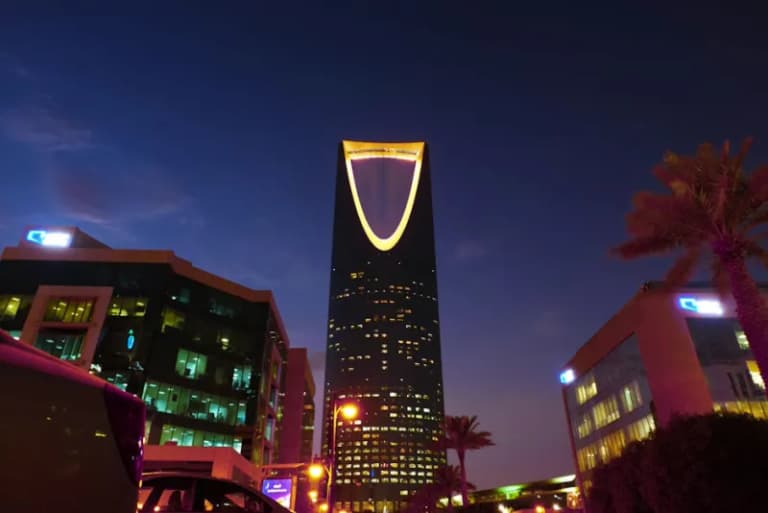
Riyadh is the capital - 8 million people, desert, no sea, booming economy, and the feeling that you're at the center of something big. Jeddah is the Red Sea port city - 4.7 million people, coastal, humid, historic, and famously more relaxed. They're only a 1.5-hour flight apart but feel like different countries.
This guide will help you figure out which one fits your situation. I'll skip the tourist-board fluff and focus on what actually matters when you're deciding where to spend the next few years of your life.
If you don't want to read 3,000 words, here's the decision in 30 seconds:
Go to Riyadh if:you want to maximize your career and income, you work in finance/tech/consulting, you like dry heat, you don't care about the beach, and you're energized by fast-paced environments.
Go to Jeddah if:you value quality of life over career hustle, you want the sea nearby, you're Muslim and want easy access to Mecca, you prefer a laid-back vibe, or you work in hospitality/shipping/creative fields.
Still not sure? Keep reading.
Riyadh is about 10-20% more expensive than Jeddah. The main reason is rent. Since the government told multinational companies they need a Riyadh HQ to win government contracts (2021 mandate), thousands of well-paid professionals flooded in. That pushed rents up 20-30% in popular neighborhoods.
Here's what you're actually looking at monthly:
| What | Riyadh | Jeddah |
|---|---|---|
| 2BR apartment (nice area) | 5,000-9,000 SAR | 4,000-7,000 SAR |
| Villa in a compound | 12,000-25,000 SAR | 10,000-20,000 SAR |
| Dinner out (2 people, decent place) | 150-250 SAR | 120-220 SAR |
| Groceries (family of 4, monthly) | 2,000-3,000 SAR | 1,800-2,800 SAR |
| International school (yearly) | 30,000-90,000 SAR | 25,000-75,000 SAR |
But here's the thing people forget: Riyadh salaries are 10-15% higher for the same job. A mid-level manager might get 28,000 SAR in Riyadh vs 24,000 SAR in Jeddah. So when you factor in the salary difference, your actual savings rate is often about the same in either city. Run the numbers for your specific situation with our cost of living calculator.
This is probably the biggest factor for most people, and it's not close: Riyadh has about 60% of all professional expat jobs in the country.
After the 2021 headquarters mandate, Amazon, Google, Deloitte, PwC, McKinsey, Siemens, Unilever and hundreds of other multinationals set up major offices in Riyadh. Add government ministries, the financial sector, and all the mega-project offices (NEOM, Roshn, Qiddiya, New Murabba), and you've got a city with an insane concentration of white-collar jobs.
Riyadh is the place for: finance and banking, tech and IT, management consulting, government advisory, healthcare management, legal services, and anything related to the Vision 2030 mega-projects.
Jeddah is the place for: hospitality and tourism (Red Sea Project, AMAALA), shipping and logistics (the port is massive), international trade, retail, creative industries, and anything related to Hajj/Umrah services. If you work in these sectors, Jeddah might actually have better opportunities than Riyadh.
Salary gap: senior roles pay 10-15% more in Riyadh. A finance director might get 35,000 SAR/month in Riyadh vs 30,000 in Jeddah. For junior roles the gap is smaller - maybe 1,000-2,000 SAR difference.
Your neighborhood choice matters a lot more in Riyadh than Jeddah, because Riyadh is enormous. The city stretches 37+ miles (60+ km) north to south. Pick the wrong area and you're looking at a 45-minute commute each way.
Al Olaya / King Fahd Road is the business district - high-rise apartments, walking distance to offices, good for single professionals. Rent: 8,000-15,000 SAR for a 2BR. Hittin and Al Nakheel are where most Western families end up - upscale, quiet, good schools nearby. Rent: 7,000-12,000 SAR. The Diplomatic Quarter (DQ) is a gated compound-within-a-city with parks and embassies - extremely safe, popular with families who want a bubble. Rent: 10,000-20,000 SAR. If you're on a budget, look at Al Narjis or Al Yasmin in the north - newer, cheaper (4,000-7,000 SAR), but longer commutes.
Jeddah is simpler because it's linear along the coast. Al Rawdah / Al Zahra is central and walkable - close to the Corniche, restaurants everywhere. Rent: 4,000-8,000 SAR. Al Shati / Al Hamra is the upscale waterfront - sea views, popular with senior expats. Rent: 7,000-15,000 SAR. Obhur in the north feels like a resort town - beach access, diving clubs, great for outdoor people. Rent: 5,000-10,000 SAR. For families on a budget, Al Muhammadiyah is solid and central at 3,500-6,000 SAR.
Both cities have Western-style compounds with pools, gyms, and community centers. Riyadh has more of them. In 2026, many single expats skip compounds entirely and rent modern apartments - it's cheaper and gives you more freedom. Families with kids still tend to prefer compounds for the community and safety.
For more detail, see our best neighborhoods in Riyadh guide.
Both cities are hot. But they're hot in completely different ways, and this genuinely affects your quality of life.
Riyadh: dry desert heat.Summer hits 113-122°F (45-50°C) but humidity is only 10-15%. It's like standing in front of an oven - brutal, but you don't feel sticky. Step into shade or AC and you instantly feel better. Nights cool to 86-91°F (30-33°C). The surprise: winters are actually cold. December-February nights drop to 41-50°F (5-10°C) and you'll want a proper jacket. Sandstorms happen a few times per year in spring. The best months are March-May and October-November when it's 77-95°F (25-35°C) with perfect blue skies.
Jeddah: humid coastal heat.Summer is 100-109°F (38-43°C) but with 70-90% humidity. That's the kind of heat where you're drenched in sweat after 30 seconds outside. The "feels like" temperature hits 131°F+ (55°C+). It's genuinely miserable June-September. But winter is the payoff: November through March brings 72-86°F (22-30°C) with a sea breeze. It's genuinely beautiful weather for 5-6 months, no jacket ever needed.
The honest advice:if you've lived in Southeast Asia and handle humidity fine, Jeddah won't bother you. If you come from a dry climate and humidity makes you miserable, choose Riyadh. Both cities are indoor-focused in peak summer regardless.
This is where the cities feel most different.
Riyadhfeels like a city in a hurry. Everyone's building something, pitching something, networking toward something. Conversations revolve around careers and projects. People dress more formally. The social scene centers on work connections, compound communities, and big organized events. It's energizing if you're ambitious and exhausting if you're not. The downside: it can feel soulless. Endless sprawl, everything requires driving, and without an active social effort you can feel isolated.
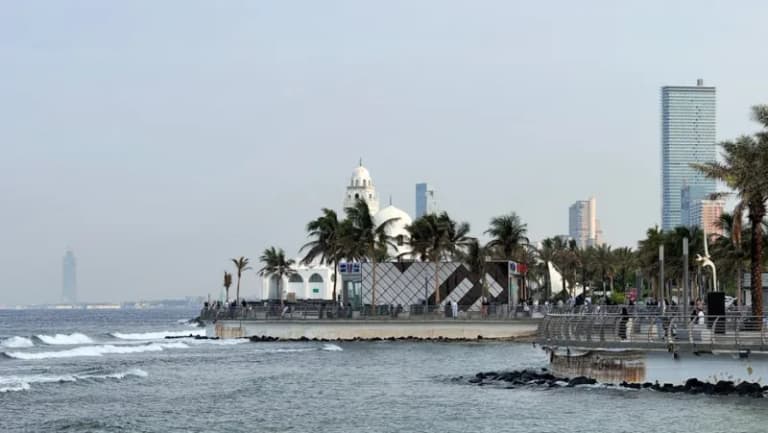
Jeddahfeels like it's been lived in for centuries (because it has). The old Al-Balad district has coral-stone houses with Ottoman balconies. The 19-mile (30 km) Corniche is where everyone walks, runs, and hangs out. There's an actual art scene, independent cafes, a creative community. People are warmer and more informal. Work-life balance is genuinely better. Weekends mean beach trips, Red Sea diving, seafood dinners on the waterfront. The downside: infrastructure lags behind Riyadh. Roads flood when it rains. Traffic is chaotic. Some areas feel neglected.
One thing that surprises people: both cities have changed dramatically since 2019.Riyadh now has concerts, cinemas, mixed-gender events, and a thriving restaurant scene that didn't exist five years ago. Jeddah was always more open, but it's gotten even more relaxed. The gap between them is smaller than ever, but it's still real.
Schools: Riyadh has 200+ international schools (British, American, IB, French, German, Indian curricula). Jeddah has 80+. Both have great options, but Riyadh gives you more choice and Jeddah has shorter waiting lists. Top Riyadh schools can have 1-2 year waits; apply before you move. Annual fees: 30,000-90,000 SAR in Riyadh, 25,000-75,000 SAR in Jeddah.
Healthcare: Both cities have excellent private hospitals (employer insurance covers this). Riyadh has King Faisal Specialist Hospital, which is world-class for complex cases. For day-to-day family healthcare, both are equally good.
Kid-friendly life:Riyadh families tend to center life around compounds and malls - it's structured and safe but can feel contained. Jeddah families get the beach on weekends, a milder winter for outdoor play, and a generally more relaxed atmosphere. Both have plenty of parks, playgrounds, and family activities.
The real talk:if both parents work, Riyadh usually offers better dual-career options because the job market is so much larger. If one parent stays home and quality of life is the priority, many families prefer Jeddah's pace and access to outdoor activities.
Both cities are car-dependent. Uber and Careem work great in both (20-50 SAR for a cross-city ride) and many expats don't bother owning a car.
Riyadh now has a metro (6 lines, 85 stations, opened late 2024) which helps if you live and work near stations. Roads are wide and well-maintained but the city is so big that rush hour on King Fahd Road adds 30-60 minutes. Driving is generally orderly compared to Jeddah.
Jeddahhas no metro and limited buses. But the city is more compact, so distances are shorter - 15-30 minutes covers most of it outside rush hour. The catch: driving in Jeddah is notoriously aggressive, roads flood after rain, and the road layout is less logical than Riyadh's grid.
If you do drive, costs are low: petrol is 2.33 SAR/liter (subsidized), insurance is 1,000-3,000 SAR/year, and a decent used car costs 40,000-80,000 SAR.
Riyadh is the entertainment capital now. Riyadh Season (October-March) brings massive concerts, sports events, and festivals. Boulevard Riyadh City is a permanent entertainment district. The dining scene is among the best in the Middle East - from Michelin-starred restaurants to incredible street food. Weekend trips: Edge of the World (stunning desert escarpment, 1.5 hours), Ad Diriyah (historic Saudi heritage site), desert camping, or a quick flight to Jeddah/Bahrain.
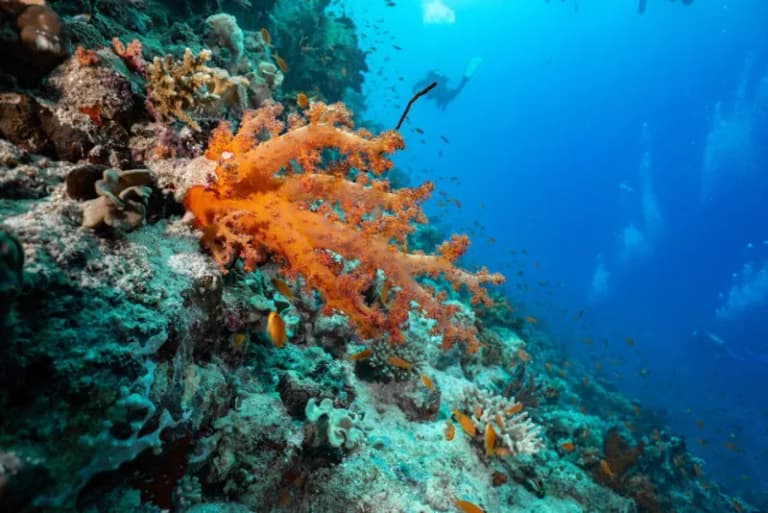
Jeddah wins on outdoor lifestyle. The Red Sea is right there - diving, snorkeling, boat trips, beach clubs. The Corniche is where everyone hangs out, especially in winter evenings. Al-Balad (the old city) is beautiful for walking. Food is incredible, especially seafood and the diverse Hijazi/Yemeni/Turkish/Southeast Asian restaurants. Weekend trips: Taif mountains (2 hours, cooler air), Yanbu coast for diving, or Mecca for Umrah (Muslims, 1 hour).
Both cities have cinemas, malls (Riyadh has bigger ones), shisha lounges, and a growing late-night cafe culture. Jeddah also has the F1 Saudi Arabian Grand Prix on a street circuit. Neither city has alcohol - that hasn't changed.
There is no wrong answer here. People thrive in both cities. But if I had to generalize:
Riyadh attracts people who are career-first.They want to earn well, build their network, be part of something transformational, and don't mind that the city lacks natural beauty or a coastline. They're energized by ambition and growth. They'll take the higher salary and invest the savings.
Jeddah attracts people who are lifestyle-first.They want to enjoy where they live day-to-day, not just on vacation. They want the sea, the history, the walkable Corniche, the diverse food culture. They're okay earning a bit less if it means a better quality of life and less stress.
The good news: they're a 200 SAR flight apart. Whichever you choose, the other is always a weekend away.
Jeddah is generally 10-20% cheaper than Riyadh for housing, dining, and day-to-day expenses. Average rent for a 2-bedroom apartment in a good area of Jeddah is 4,000-7,000 SAR/month compared to 5,000-9,000 SAR in Riyadh. However, Riyadh salaries are typically 10-15% higher, which can offset the cost difference.
Riyadh has significantly more job opportunities in 2026. The city accounts for roughly 60% of all white-collar expat job postings in Saudi Arabia. Jeddah is stronger for hospitality, tourism, logistics, and shipping roles. For most corporate professionals, Riyadh offers 2-3x more positions.
Jeddah has historically been more relaxed and cosmopolitan. Dress codes are slightly more casual, the social atmosphere is more laid-back, and there's a stronger arts scene. Riyadh has been catching up rapidly since 2019, but Jeddah still has a slightly more relaxed vibe overall.
Yes, Mecca is about 50 miles (80 km) from Jeddah - roughly a 1-hour drive. Many Muslim expats perform Umrah on weekends regularly. From Riyadh, Mecca is 590 miles (950 km) away (1.5-hour flight), making casual visits impractical. Note: non-Muslims cannot enter Mecca.
Both are great for families in different ways. Riyadh has more schools (200+ international), larger compounds, and better specialist healthcare. Jeddah offers beach weekends, milder winters, and a more relaxed pace. For career growth of both parents, Riyadh wins. For work-life balance, many families prefer Jeddah.