
Loading...
Join our Facebook Group: Join: Expats in Saudi Arabia
Loading...
A student visa allows international students admitted to a recognized Saudi university or institution to study legally in the Kingdom. The sponsoring institution supports the visa, which leads to a student residence (student Iqama).
A Saudi Arabia student visa allows international students who have been admitted to a recognized Saudi university, college, or institute to enter and study legally in the Kingdom. The starting point of the whole process is admission: you must first receive an official acceptance letter from a recognized Saudi institution before a student visa can be arranged. Explore our overview of Saudi Arabia visas to see how the student route fits with other categories.
In most cases the admitting institution acts as your sponsor and supports the student visa and subsequent residence. Once you arrive and complete the required steps, you are typically issued a student residence permit, commonly known as a student Iqama, which is your official ID and proof of legal residence while you study.
Saudi universities offer programs in both Arabic and English, spanning undergraduate, postgraduate, Arabic language, and Islamic studies. To understand the wider education landscape, see our guides on schools and education in Saudi Arabia and international schools in Riyadh.
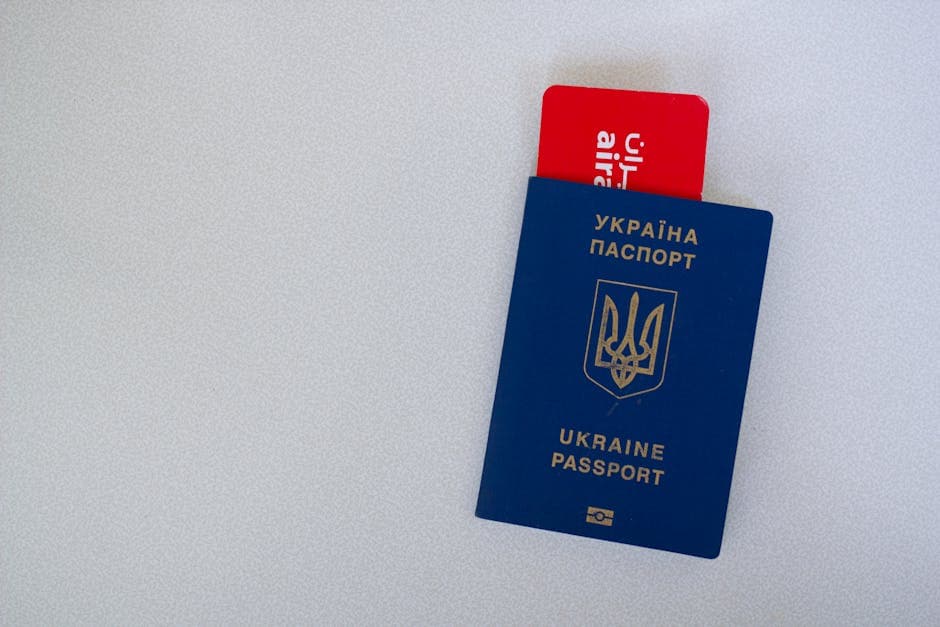
Saudi Arabia student visa application guide
Saudi Arabia hosts a growing number of universities and colleges welcoming international students, including well-known institutions offering degrees across engineering, medicine, business, Islamic studies, and Arabic language. Many programs are taught in English, while others are delivered in Arabic. To plan your relocation, see our guide on moving to Saudi Arabia.
The academic calendar and intake periods vary by institution, so application deadlines differ from one university to another. Because admission is the first step, you should apply directly to your chosen institution early and confirm its specific timeline. Preparing your documents in advance, including attesting your academic certificates, will help you avoid delays.
You must secure admission from a recognized Saudi institution before a student visa can be issued. Requirements, fees, and procedures are set by the university and Saudi authorities and can change, so always confirm the current details with your institution, the Saudi Ministry of Education, and the Ministry of Foreign Affairs (MOFA) before applying.
Issued for full degree programs after admission, with the institution acting as sponsor
For students admitted under a Saudi government or university scholarship scheme
An official acceptance letter from a recognized Saudi institution, which typically sponsors your student visa and residence.
Academic certificates and supporting documents usually need to be attested. See our document attestation guide.
A medical examination and a valid passport are generally required as part of the process.
Get connected with relocation specialists who help foreigners settle in Saudi Arabia - from visa processing to finding housing.
Visa and Iqama support
Help with work visa applications, Iqama processing, MOFA attestation, and other Saudi government procedures
Housing assistance
Find an expat-friendly compound, villa, or apartment with proper Ejar contracts and fair terms
Local expertise
Specialists who know the city, the process, and the common challenges foreigners face
End-to-end support
From pre-arrival planning to settling in - one point of contact for your entire move
Because admission comes first, you must be accepted by a recognized Saudi institution before a student visa can be issued. Each university sets its own admission requirements, but the following documents are commonly requested:
The process usually begins with applying directly to your chosen Saudi university or institution and receiving an official admission (acceptance) letter. Once admitted, the institution typically acts as your sponsor and initiates the student visa on your behalf, coordinating with the relevant Saudi authorities.
After the visa is authorized, you generally submit your passport, attested documents, photographs, and medical report to the Saudi embassy or consulate in your country, or via an approved visa center. Requirements can vary by nationality and institution, so follow the exact instructions your university provides.
After you arrive in the Kingdom and complete any required medical checks and registration, a student residence permit (student Iqama) is normally issued through your sponsoring institution. Fees for the visa and residence are set by the authorities and can change, so do not rely on unofficial figures. Confirm current costs and timelines with your university, the Ministry of Education, and MOFA.
Employment options for students on a student visa are restricted, and working is not automatically permitted. If you need to work, you must confirm what is allowed with your sponsoring institution and the relevant Saudi authorities before taking any job.
Yes. Admission from a recognized Saudi institution is the starting point. You must receive an official acceptance letter first, after which the institution typically sponsors your student visa and residence.
Not always. Many Saudi universities offer programs in English, while others teach in Arabic. Check the language of instruction and any proficiency requirements for your specific program with the institution.
Generally yes. After arriving and completing the required steps, students are typically issued a student residence permit (student Iqama) through their sponsoring institution. Learn more about the Iqama number.
Family sponsorship options for students are limited and depend on your circumstances, program, and the authorities' rules. If you plan to bring family, confirm eligibility with your institution and review the family visa route.
Explore our helpful resources to make your student life in Saudi Arabia successful and comfortable.
Official Sources Disclaimer: Student visa rules, required documents, fees, and processing times are set by the Saudi authorities and individual institutions and can change without notice. This guide is for general information only. Always verify current requirements with your admitting university, the Saudi Ministry of Education, and the Ministry of Foreign Affairs (MOFA) before applying.