Loading...
Join our Facebook Group: Join: Expats in Saudi Arabia
Loading...
Everything you need to know about Saudi Arabia's chocolate scene. The best brands, chocolate-covered dates, where to shop, prices, and the perfect gifts to bring home.
By How to Saudi Arabia Editorial Team · Last updated:
Saudi Arabia might not be the first country that comes to mind when you think of chocolate, but the Kingdom has developed a thriving and distinctive chocolate culture that combines centuries-old date traditions with modern confectionery techniques to produce something uniquely Saudi and increasingly recognized worldwide.
At the heart of Saudi chocolate culture is the marriage of dates and chocolate. Saudi Arabia is one of the world's largest date producers, harvesting over 1.5 million tons annually from more than 28 million palm trees. For centuries, dates have been the most important food in Arabian culture - a symbol of hospitality, a staple of the diet, and a product of deep religious significance (the Prophet Muhammad recommended breaking the Ramadan fast with dates). Combining these prized dates with premium chocolate was a natural evolution that has created an entirely new category of luxury confectionery.
Beyond dates, Saudi Arabia has become a significant chocolate market. The Kingdom imports over $500 million worth of chocolate annually, and per capita consumption has been rising steadily. Riyadh and Jeddah now have artisan chocolatiers, bean-to-bar workshops, and chocolate cafes that rival those in European cities. International brands like Godiva, Lindt, and Laderach have significant Saudi operations, and homegrown brands like Bateel and Anoosh have expanded internationally.
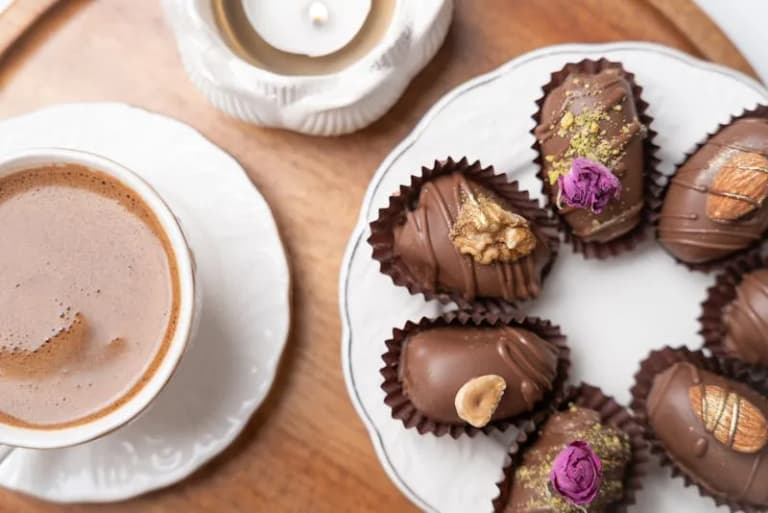
Tamer bil chocolate(dates with chocolate) is Saudi Arabia's most iconic confectionery product and arguably the best edible souvenir you can bring home from the Kingdom.
The process starts with selecting premium dates - typically large, soft varieties like Medjool or Ajwa. Each date is carefully pitted by hand, then stuffed with a filling: whole roasted almonds, pistachio paste, candied orange peel, walnut halves, hazelnut praline, or combinations thereof. The stuffed date is then dipped or enrobed in tempered chocolate - dark, milk, or white - and often finished with a decorative drizzle, crushed nuts, gold leaf, or edible flowers. The best producers hand-make each piece individually.
The combination is genuinely exceptional. Dates have a natural caramel-like sweetnesswith notes of toffee, honey, and butterscotch. This pairs beautifully with the bitterness of dark chocolate or the creaminess of milk chocolate. The nut filling adds crunch and a savory element. The textures layer perfectly: the snap of chocolate, the soft chewiness of the date, and the crunch of the nut. It's a complete flavor experience in a single bite - and significantly more interesting than a standard chocolate truffle.
The classic combination is Medjool with dark chocolate and almond, which is rich and satisfying without being overly sweet, while Ajwa with milk chocolate and pistachio pairs the earthy depth of the Medina date with creamy chocolate and a bright green nut that looks visually stunning when cut in half. For those with a sweeter palate, Sukkari with white chocolate and orange peel is almost dessert-like in its intensity, and Khalas with dark chocolate and hazelnut praline creates a butterscotch-meets-Nutella combination that is hard to stop eating. A newer arrival on the scene is Medjool with ruby chocolate and rose water, which uses the pink-hued ruby chocolate variety and has become a favourite on social media for its striking appearance.
Bateel is the undisputed king of Saudi chocolate and dates. Founded in 1992, it pioneered the concept of gourmet organic dates and chocolate-date combinations. Bateel sources dates from its own organic farms and uses premium Belgian chocolate. Their boutiques (found in every major Saudi mall and 14+ countries worldwide) have the feel of a luxury jeweler - dates are displayed like precious gems in glass cases. Their gift boxes, with distinctive blue packaging, are the go-to corporate gift and VIP present in Saudi Arabia. Flagship products include the Ajwa dark chocolate date, the truffle-filled Medjool, and their artisan chocolate bars with Arabic coffee and cardamom.
Price range: 150-500+ SAR for gift boxes. Locations: all major malls in Riyadh, Jeddah, Dammam.
Anoosh(أنوش) is a Jeddah-born luxury chocolate brand that has gained a cult following. Founded by Anoosh Qureshi, the brand is known for handmade chocolates with Middle Eastern flavors - saffron, cardamom, rose water, Arabic coffee, and oud-infused ganaches. Their chocolate-covered dates are exquisite, and they also produce traditional Saudi sweets with a modern twist. Anoosh's presentation is impeccable, with gift boxes that double as decorative pieces. They're a favorite for weddings, Eid gifts, and special occasions.
Price range: 120-400 SAR for gift boxes. Locations: Jeddah (flagship), Riyadh.
Saadeddin (سعد الدين) is the most accessible premium sweets brand in Saudi Arabia, with hundreds of locations across the Kingdom. While not exclusively a chocolate brand (they also sell Arabic sweets, baklava, and pastries), their chocolate-covered dates and chocolate gift boxes are excellent quality at mid-range prices. They're the reliable choice for everyday gifts, office treats, and Eid presents. Their Ramadan and Eid collections are particularly popular.
Price range: 50-200 SAR for gift boxes. Locations: hundreds of stores nationwide.
Al Nassma is famous for being the world's first producer of camel milk chocolate. While based in Dubai, their products are widely available in Saudi Arabia. Camel milk gives the chocolate a slightly lighter, saltier flavor profile compared to cow's milk chocolate. Their camel-shaped chocolate bars are a popular novelty gift. The brand also produces date-filled camel milk chocolates that combine two Arabian specialties.
Price range: 30-120 SAR. Available in: airports, specialty stores, some supermarkets.
Beyond the big names, several other brands are worth knowing about. Patchi, a Lebanese luxury chocolatier with a massive Saudi presence, is known for signature chocolate collections and elaborate gift wrapping that makes any box feel like an event. Laderach, the Swiss chocolatier with Saudi franchise locations, offers premium European-style chocolates alongside some Arabian-flavoured collections, while The Date Room is a boutique brand that specialises in creative date-and-chocolate combinations using unusual flavour pairings. For everyday consumption at supermarket prices, Dallah offers decent chocolate dates without the luxury markup, and Tamrah sits in the mid-range with a focused line of chocolate-covered dates in various fillings that delivers a good quality-to-price ratio.
Saudi Arabia produces over 400 varieties of dates, but only a handful are commonly used in chocolate confections. Understanding the differences helps you choose the right product.
| Variety | Region | Flavor Profile | Best With | Price Level |
|---|---|---|---|---|
| Ajwa | Medina | Dark, soft, earthy, prune-like | Milk chocolate, pistachio | Premium ($$$) |
| Medjool | Various | Large, caramel, honey-sweet | Dark chocolate, almond | High ($$) |
| Sukkari | Qassim | Very sweet, crunchy skin, amber | White chocolate, orange | High ($$) |
| Khalas | Eastern Province | Butterscotch, toffee, medium-soft | Dark chocolate, hazelnut | Medium ($) |
| Safawi | Medina | Semi-dry, rich, similar to Ajwa | Milk chocolate, walnut | Medium-high ($$) |
| Mabroom | Medina | Elongated, chewy, mild sweetness | Dark chocolate, plain | Medium ($) |
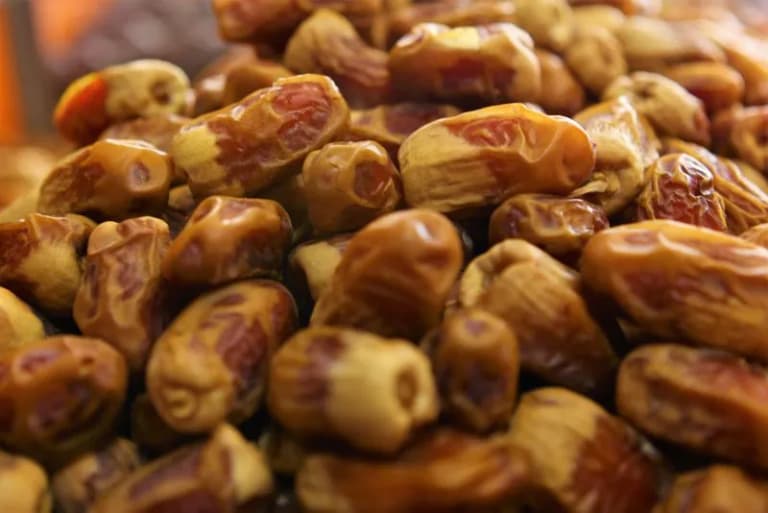
Ajwa dates - the most prized variety:
Ajwa dates from Medina hold special significance in Islam. Prophet Muhammad said: "Whoever eats seven Ajwa dates in the morning will not be harmed by poison or magic that day." This religious importance, combined with limited growing area (only cultivated in the Medina region), makes Ajwa the most expensive date variety. Ajwa chocolate dates from Medina are considered one of the most prestigious gifts you can bring from Saudi Arabia.
For the freshest products and best presentation, buy directly from brand stores. Bateel boutiques can be found in Kingdom Centre in Riyadh, Red Sea Mall in Jeddah, Dhahran Mall, and most luxury malls across the country, while Anoosh has its flagship in Jeddah's Tahlia Street area with additional locations in Riyadh. Saadeddin has standalone stores on virtually every major street in every Saudi city, making it the most accessible option, and Patchi maintains boutiques in premium malls including Panorama Mall in Riyadh and Al Andalus Mall in Jeddah.
For the most authentic experience and often the best value, head to the traditional markets. The Medina date market is the gold standard, with dozens of vendors selling date chocolates at competitive prices alongside the freshest Ajwa dates in the country. The annual Qassim date festival in Buraidah is the world's largest date market, where many vendors also offer chocolate-date products, while Souq Al-Zal in Riyadh and the historic Al-Balad district in Jeddah both have local confectioners selling traditional sweets and chocolate dates at prices well below what the branded boutiques charge.
All three major Saudi airports have excellent chocolate and date shops in their departure terminals. King Khalid International Airport in Riyadh stocks Bateel, Saadeddin, and a dedicated duty-free chocolate section, while King Abdulaziz International Airport in Jeddah offers an extensive selection in both terminals including Hajj and Umrah-specific gift sets, and King Fahd International Airport in Dammam has a smaller but comprehensive selection with all major brands represented. Airport prices are typically 15 to 25 percent higher than in-city stores, so buy in town if you can, but the convenience and selection at the airports remains good for last-minute purchases.
Major supermarkets like Tamimi Markets, Danube, Carrefour, and Lulustock pre-packaged chocolate dates from brands like Dallah and Tamrah at everyday prices. The quality is decent for personal consumption, though presentation isn't as refined as boutique brands. Good for stocking up on everyday treats rather than gifts.
| Category | Product | Price (SAR) | Best For |
|---|---|---|---|
| Budget | Supermarket chocolate dates (Dallah, generic) | 25-50 | Personal snacking, casual gifts |
| Mid-range | Saadeddin / Tamrah gift box (500g) | 60-120 | Friends, colleagues, casual occasions |
| Premium | Bateel / Anoosh small gift box | 150-300 | Family gifts, important occasions |
| Luxury | Bateel large presentation box | 300-600 | VIP gifts, weddings, Eid presents |
| Ultra-luxury | Custom corporate gift sets, large hampers | 500-2,000+ | Corporate gifts, diplomatic presents |
Prices as of 2026. Expect 10-20% seasonal increases during Ramadan and Eid.
Chocolate dates are the single best souvenirto bring home from Saudi Arabia. They're unique to the region, universally delicious, travel well, and come in every price range. Here's what to buy for different situations:
A Bateel or Anoosh mixed box (200-400 SAR) with a variety of date types and chocolate coatings. The presentation alone will impress. Choose a box with 4-6 varieties so everyone can try different combinations. Ajwa with pistachio in dark chocolate is usually the crowd favorite.
A Saadeddin or Tamrah sharing box(60-120 SAR per box) is perfect for the office. Buy 2-3 boxes with different varieties. They're individually wrapped, easy to share, and the quality is good enough to make an impression without breaking the bank.
An Anoosh hand-crafted selection or Bateel premium gift box (300-600 SAR) in their signature packaging. Add a bag of loose Ajwa dates from the Medina market and a small bottle of Arabian oud perfume for a complete Saudi luxury gift set.
Buy loose chocolate dates from the Medina date soukor any local confectioner - you'll get the best quality-to-price ratio without paying for elaborate packaging. A kilo of excellent chocolate-covered Medjool dates from a souk vendor costs 80-120 SAR versus 200+ SAR from a branded boutique for the same weight.
Travel tips for chocolate gifts:
If you are flying in summer, pack chocolate in your carry-on luggage rather than checked bags, since the cargo hold can get warm enough to melt chocolate during ground handling. When checking is unavoidable, wrap boxes in insulating material like a sweater or towel and place them in the centre of your suitcase for maximum protection. Most branded boxes are designed to survive transit intact, but loose chocolates purchased from souks should be packed with extra care. Chocolate dates generally have a shelf life of 3 to 6 months when kept cool, so refrigerate them as soon as you arrive home.
Saudi Arabia's chocolate scene has exploded in recent years, driven by a young, food-savvy population, social media food culture, and the broader opening up of the entertainment and hospitality sectors under Vision 2030.
A small but growing number of Saudi chocolatiers are sourcing cocoa beans directly from farms in West Africa, South America, and Southeast Asia, and roasting and processing them locally. This bean-to-barapproach produces distinctive single-origin chocolates with complex flavor profiles. Look for small-batch producers at farmers' markets, specialty food stores, and Instagram-based businesses in Riyadh and Jeddah.
Dedicated chocolate cafes have become a fixture in Saudi shopping malls and upscale neighborhoods. These offer drinking chocolate (thick, European-style hot chocolate), chocolate fondues, molten chocolate cakes, and chocolate-paired coffee experiences. Popular chains include Koko Chanel (Saudi chocolate cafe concept), Max Brenner, and numerous independent cafes. The Saudi coffee culture - already one of the strongest in the Middle East - has naturally embraced chocolate pairing.
The most exciting development in Saudi chocolate is the integration of traditional Arabian flavours into chocolate. Arabic coffee (qahwa) chocolate infuses ganache with cardamom and sometimes saffron to mimic the distinctive flavour of traditional Saudi coffee, while oud chocolate introduces subtle oud wood essence into dark chocolate for a taste that is unmistakably Arabian, if something of an acquired preference. Saffron and rose, a classic Middle Eastern combination, translates beautifully into white or milk chocolate, and tahini chocolate swirls sesame paste into chocolate bars for a combination of nutty and sweet that is hard to put down. Halva chocolate mixes crumbled sesame halva into chocolate as a Middle Eastern twist on cookies-and-cream, and cardamom and pistachio pralines offer perhaps the most quintessentially Arabian flavour pairing of all.
Saudi chocolate is famous primarily for chocolate-covered dates (tamer bil chocolate). Premium Medjool or Ajwa dates are stuffed with almonds, pistachios, walnuts, or orange peel, then coated in dark, milk, or white chocolate. This combination of the natural caramel sweetness of dates with rich chocolate has become one of Saudi Arabia's most iconic food products and a sought-after gift worldwide. Brands like Bateel, Laderach (Saudi franchise), and Anoosh have turned this simple concept into a luxury product.
Bateel is widely considered the premier Saudi chocolate and date brand, known for its organic dates, artisan chocolates, and elegant packaging. Other top brands include Anoosh (luxury handmade chocolates from Jeddah), Saadeddin (the largest Saudi sweets chain with excellent chocolate-date combinations), Al Nassma (camel milk chocolate), and Patchi (Lebanese origin but hugely popular in Saudi Arabia). For budget-friendly options, Dallah and local confectioners in souks offer quality chocolate dates at lower prices.
The best places to buy Saudi chocolate gifts include: Bateel boutiques (in every major mall), Saadeddin Sweets (hundreds of locations across Saudi Arabia), Anoosh (Jeddah and Riyadh), airport duty-free shops at Riyadh, Jeddah, and Dammam airports, and luxury hotel gift shops. For the best selection and freshness, buy from brand boutiques rather than supermarkets. During Ramadan and Eid, all chocolate and date shops stock special gift boxes. Many brands also offer online ordering with delivery within Saudi Arabia.
Prices vary widely by brand and quality. Budget options: 30-60 SAR for a 250g box from supermarkets or local confectioners. Mid-range: 80-150 SAR for branded boxes from Saadeddin or similar chains. Premium: 150-400 SAR for luxury gift boxes from Bateel or Anoosh. Ultra-premium: 500-1,500+ SAR for large, elaborately packaged gift sets with mixed varieties, often bought for corporate gifts or special occasions. Ajwa dates (from Medina) command the highest prices due to their religious significance and limited supply.
Yes, chocolate and date products can be brought through customs in most countries without restrictions. They are classified as food gifts, not agricultural products that require declaration (unlike fresh fruits or meats). Pack them in your checked luggage or carry-on - they pass through security screening without issues. In hot weather, consider packing chocolate in an insulated bag to prevent melting during transit. Most premium brands use packaging designed for travel. Many airports in Saudi Arabia have dedicated chocolate and date shops in the departure terminals for last-minute purchases.
Camel milk chocolate is made by replacing cow's milk with camel milk in the chocolate-making process. Camel milk has a slightly saltier, lighter flavor than cow's milk, creating a distinctive taste. Al Nassma, based in Dubai but widely available in Saudi Arabia, is the most well-known camel milk chocolate brand. The product appeals to those with cow's milk sensitivities (camel milk has different proteins), health-conscious consumers (camel milk has more vitamin C and iron), and anyone looking for a unique Arabian souvenir. It's typically more expensive than regular chocolate.
Several date varieties are used: Ajwa dates (from Medina, dark and soft with a fine texture, considered the most prestigious and religiously significant), Medjool dates (large, sweet, and caramel-like, the most popular for chocolate coating), Sukkari dates (from Qassim, extremely sweet with a crunchy texture), Khalas dates (from the Eastern Province, soft with a butterscotch flavor), and Safawi dates (similar to Ajwa but slightly larger). Each variety pairs differently with chocolate - Medjool works best with dark chocolate, Sukkari with white, and Ajwa with milk chocolate.
Saudi Arabia is not a cocoa-growing country (it's too hot and dry), so all cocoa beans are imported. However, the Kingdom has developed a significant chocolate confectionery industry focused on combining imported chocolate with local dates, nuts, and flavors. Saudi Arabia is one of the largest consumers of chocolate in the Middle East. The industry is growing rapidly, with artisan chocolatiers, bean-to-bar workshops, and chocolate cafes becoming increasingly popular in Riyadh and Jeddah. Saudi brands have also gained international recognition for their unique date-chocolate fusion products.
Traditional Saudi dishes, regional cuisines, and the best places to eat.
Everything you need to plan your trip, including shopping and souvenirs.
Eid traditions including sweets, gifts, and celebrations where chocolate features heavily.
Dates and sweets play a central role in Ramadan - the peak season for Saudi chocolate.