
Loading...
Join our Facebook Group: Join: Expats in Saudi Arabia
Loading...
Complete guide for Jordanians on how to get a visa for Saudi Arabia. Learn about eVisa eligibility, requirements, processing times, fees in SAR, and the step-by-step application process for tourist, work, family, and pilgrimage visas.
Jordanians must obtain a visa before traveling to Saudi Arabia. The most common route is an employer-sponsored work visa, which leads to an Iqama (residence permit) after arrival. Family visit, business, Umrah, and Hajj visas are also available. Applications typically take 5-14 days, with government fees starting from 300 SAR (about $80 USD).
Approximately 250,000 Jordanians currently live in Saudi Arabia, concentrated in Riyadh, Jeddah and Tabuk. Sponsored visas are processed with the help of your Saudi sponsor and, where required, attested through the Saudi embassy or consulate in Amman. Biometric enrollment (fingerprints and a photo) may be required at a Saudi visa center or on arrival.
Most Jordanians applicants do not need an interview, which keeps processing straightforward. Saudi authorities may still request additional documents for clarification when needed. If you are planning a permanent move, see our detailed guide to emigrating to Saudi Arabia from Jordan for step-by-step relocation advice.
Standard processing for Jordanians averages 5-14 days, though times can extend when additional screening or attestation is required. Budget roughly 1,500-3,500 SAR (about $400-933 USD) in total for a sponsored work visa, including the visa fee, medical examination, certificate attestation, and initial Iqama and insurance costs.
Jordan and Saudi Arabia share a long border and deep historical, cultural, and political ties. Jordanian professionals are valued in education, healthcare, and engineering sectors. Arabic language proficiency and cultural familiarity ease integration. The bilateral relationship has strengthened under Vision 2030, with Jordanian involvement in NEOM and other megaprojects near the border. Jordanians benefit from relatively streamlined visa processing due to strong diplomatic relations. Many Jordanians commute or travel frequently between both countries. This reflects current regulations and bilateral arrangements, though policies can change. Always confirm the latest requirements on the official Visit Saudi and Saudi government portals before starting your application.
Saudi Arabia's visa system is broadly split into two groups. Short-term visit visas cover tourism (via the Saudi eVisa), business trips, family visits, and the Umrah and Hajj pilgrimages. Residence-based visas cover longer stays and include the employer-sponsored work visa (which leads to an Iqama), the student visa, and Premium Residency for those who qualify without a sponsor. For Jordanians, choosing the correct category matters because each visa has its own requirements, sponsor, and permitted activities.
For Jordanians, the visa category directly determines what you may do in the Kingdom. A tourist eVisa or business visa does not permit employment, and paid work always requires an employer-sponsored work visa and a valid Iqama. Applying under the wrong category is a common cause of rejection or problems on arrival, so match your visa to the actual purpose of your trip. Employment in Saudi Arabia operates under a sponsorship (kafala) framework that is being modernized under Vision 2030 reforms, giving workers more mobility than in the past.
| Visa Type | Description | Duration & Status |
|---|---|---|
| work visa | For employment with a Saudi employer who sponsors you; leads to an Iqama | Duration: Tied to contract; renewable Iqama (1-2 years) Status: Employer sponsorship required |
| business visa | For business meetings, conferences, and commercial activities (no employment) | Duration: Up to 90 days per visit Status: Sponsorship required |
| family visit visa | For visiting family members who are Saudi residents or citizens | Duration: Up to 1 year, stays as specified Status: Sponsorship required |
| hajj visa | For the annual Hajj pilgrimage, issued through approved operators within quotas | Duration: Valid for the Hajj season only Status: Via approved operators |
| umrah visa | For performing Umrah, available year-round via Nusuk or approved agents | Duration: Up to 90 days Status: Via approved operators |
The work visa is the most involved category. It requires a Saudi employer to sponsor you and allocate a visa (often from a "block visa" quota) under the Nitaqat/Saudization system. Once your employment offer and paperwork are approved, the visa is issued for entry, and within 90 days of arrival your employer converts it into an Iqama (residence permit) that ties your legal status to your job. Changing employers requires following the official transfer process, and your contract must comply with Saudi labor law.
Family visit and family reunion visas let Jordanians join relatives who already live in the Kingdom, sponsored by a resident or citizen family member. Student visas are sponsored by the Saudi university or institution that admits you and remain valid for the duration of your studies. High earners and investors may qualify for Premium Residency, which allows living and working in Saudi Arabia without a local employer sponsor.
Business and tourist visas are for short-term visits only. A business visa covers meetings, conferences, and negotiations but not paid employment, while the tourist eVisa covers leisure, family visits, and eligible-nationality Umrah. Both require valid travel documents, and the eVisa includes mandatory medical insurance for the duration of your stay.
| Stage | Key Actions | Timeline & Notes |
|---|---|---|
Stage 1: Choose Visa Type & Secure Sponsorship |
| 4-8 weeks before travel Sponsor handles Saudi-side approvals |
Stage 2: Documents, Medical & Attestation |
| 2-4 weeks Not needed for the tourist eVisa |
Stage 3: Submit Application & Pay Fees |
| Submission: 1-3 days Fees are non-refundable |
Stage 4: Approval, Entry & Iqama |
| Average: 5-14 days Don't book travel until approved |
Looking for an immigration lawyer?
Get matched for free with a verified, English-speaking specialist in your city.
Saudi visa applications for Jordanians require documentation that proves the purpose of your visit, your sponsorship, and your fitness to travel. Educational and personal certificates generally need attestation, and work-visa applicants must complete a GAMCA-approved medical examination before travel.
Certificate attestation typically follows a chain in your home country (relevant ministry or foreign affairs office) and finishes with legalization at the Saudi embassy or consulate. Start early, as attestation and police clearances can take several weeks. Your Saudi sponsor handles the Kingdom-side approvals, including the visa authorization number.
The exact checklist below is tailored to Jordanians. Make sure every document is current, matches your passport details, and is translated into Arabic or English where required. Always confirm the latest list on the official Visit Saudi portal or with your sponsor before submitting.
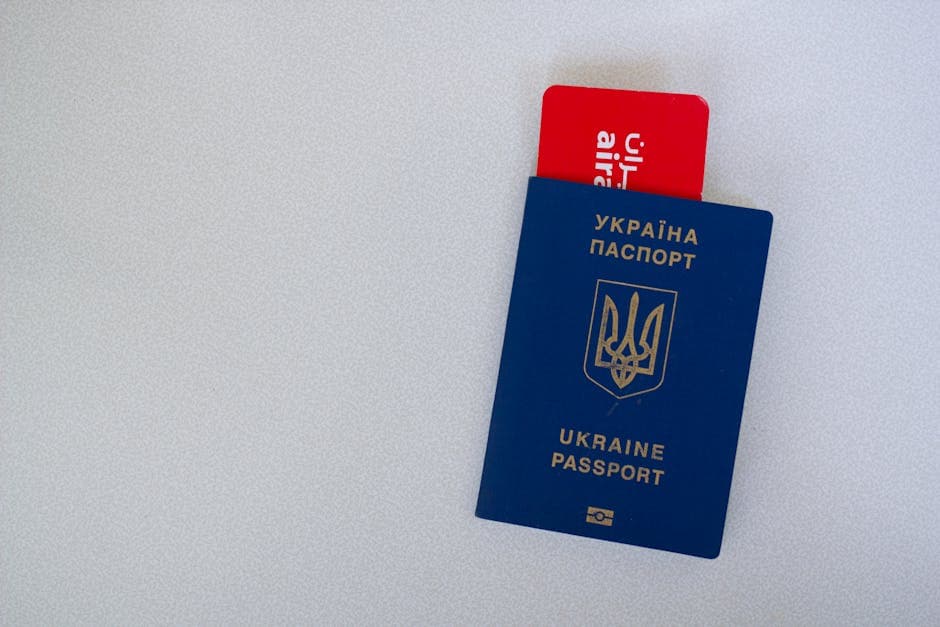
Valid Jordanian passport (6+ months validity)
Employer sponsorship letter
Employment contract attested by Saudi Embassy
Medical fitness certificate from GAMCA-approved center
Police clearance certificate from Jordanian authorities
Educational certificates attested by Jordanian Ministry of Foreign Affairs and Saudi Embassy
Passport-sized photographs (white background)
Iqama application documents
Professional registration certificates (if applicable)
Proof of accommodation in Saudi Arabia
Saudi visa fees for Jordanians depend on the type and duration of your stay. A single-entry visa costs around 300 SAR (about $80 USD), and a multiple-entry visa around 700 SAR (about $187 USD). Employer-sponsored work visas cost approximately 1,500 SAR (about $400 USD) before attestation and medical add-ons.
For Jordanians, document preparation is a meaningful expense. Certificate attestation through your foreign ministry and the Saudi embassy, sworn translations into Arabic, and police clearance certificates each add to the total, and processing can take several weeks.
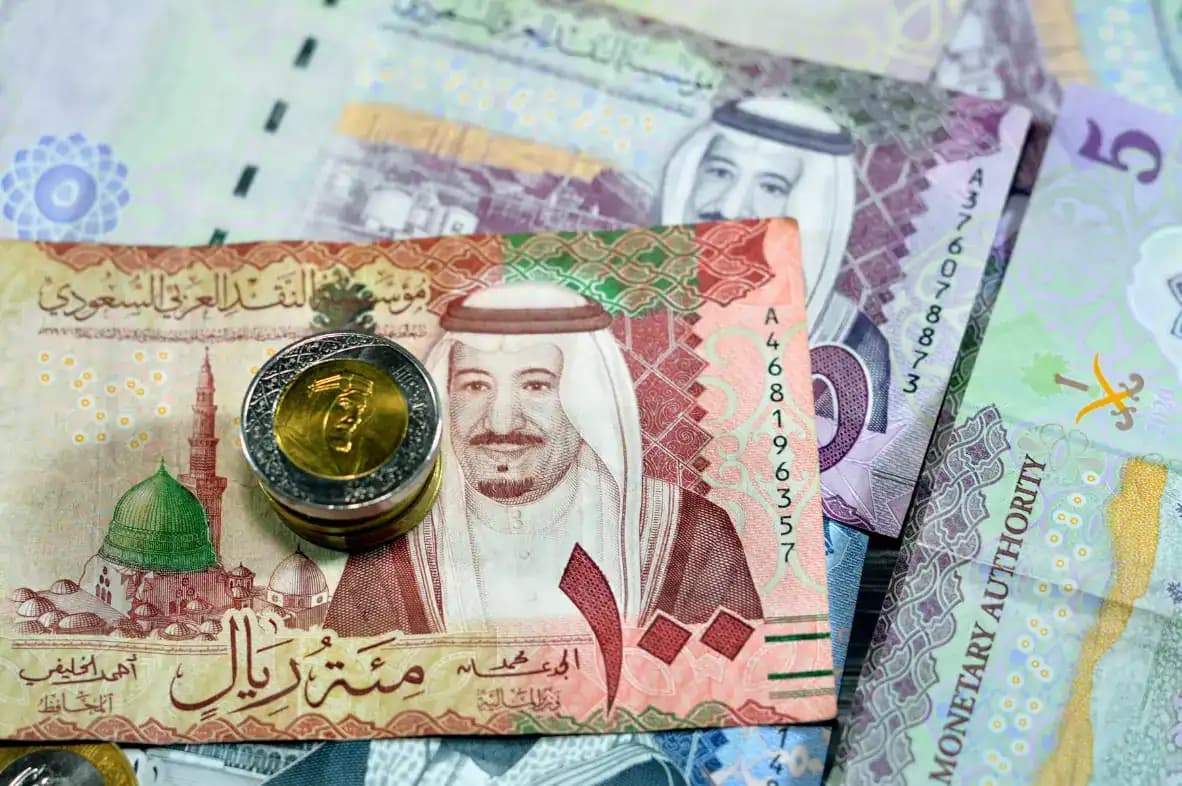
Saudi riyal (SAR)
Fees payable in SAR
Work-visa applicants also budget for a GAMCA-approved medical examination and, after arrival, for the Iqama, which must be issued within 90 days and renewed annually. Mandatory medical insurance and, in some cases, dependent fees apply for those relocating with family. Confirm current amounts on the official Saudi government and Visit Saudi portals, as fees are periodically updated.
For Jordanians, total costs vary widely by visa type. The tourist eVisa is the cheapest and most predictable at around 300 SAR (about $80 USD) all-in. A sponsored work visa generally runs 1,500-3,500 SAR (about $400-933 USD) once medical, attestation, and initial Iqama and insurance costs are included, though a compliant employer often covers much of this.
Visa fees are non-refundable regardless of outcome. Start your financial planning early, keep every receipt and reference number, and clarify with your sponsor which costs are your responsibility before you commit to the process.
Saudi Arabia offers Jordanians strong earning potential with tax-free personal income and a rapidly modernizing lifestyle under Vision 2030. Around 250,000 Jordanians already live here, mostly in Riyadh, Jeddah and Tabuk.
The cost of living varies between major hubs like Riyadh and Jeddah and smaller cities. Housing is often the largest expense, and many expats live in compounds. Because Saudi Arabia levies no personal income tax on salaries, take-home pay is typically higher than an equivalent gross salary elsewhere.
Use our guides to learn about finding a job, renting a home, and opening a Saudi bank account.
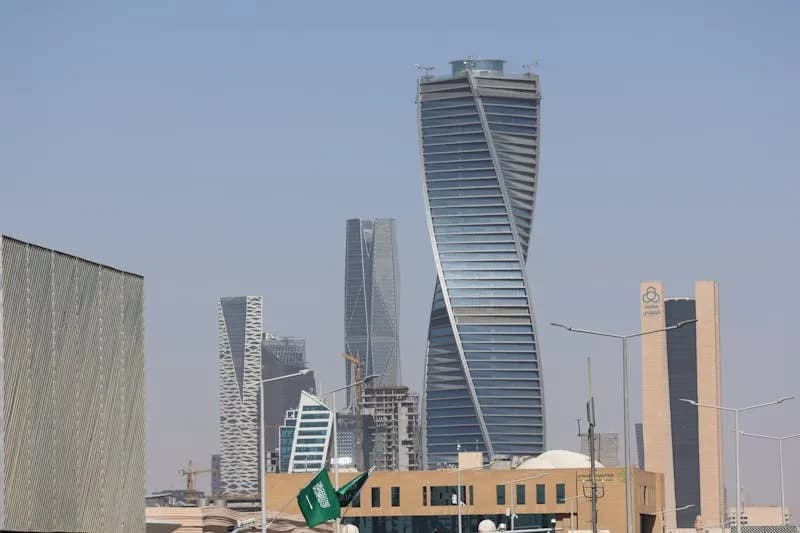
Riyadh
| Profession | Salary Range in Saudi Arabia | Notes |
|---|---|---|
| IT/Software | 12,000-30,000 SAR (about $3,200-8,000) | Strong demand in Riyadh and NEOM projects |
| Engineering | 10,000-28,000 SAR (about $2,700-7,500) | Oil, gas, and megaproject construction |
| Healthcare Professional | 8,000-25,000 SAR (about $2,100-6,700) | Doctors and specialists earn the most |
| Finance/Business | 10,000-27,000 SAR (about $2,700-7,200) | Banking and consulting pay premiums |
| Teaching | 6,000-15,000 SAR (about $1,600-4,000) | International schools pay more than public |
| Category | Price Range in Saudi Arabia | Notes |
|---|---|---|
| Rent (1 bedroom apartment) | 2,000-5,000 SAR (about $530-1,300) | Riyadh and Jeddah city centers cost more |
| Monthly Groceries | 800-1,800 SAR (about $210-480) | Local markets cheaper than supermarkets |
| Transportation | 300-800 SAR (about $80-210) | Fuel is cheap; many expats own a car |
| Utilities (electricity, water) | 300-700 SAR (about $80-190) | Higher in summer due to air conditioning |
| Entertainment & Dining | 500-1,500 SAR (about $130-400) | Growing entertainment scene under Vision 2030 |
Regional price differences matter for budget planning. Riyadh and Jeddah are more expensive than cities like Dammam, Khobar, or Abha, with housing typically the biggest gap. Smaller cities can offer strong value for Jordanians while still providing modern amenities.
A comfortable lifestyle in the major cities generally requires 8,000-15,000 SAR per month, while 5,000-9,000 SAR can be sufficient in smaller cities, covering accommodation, food, transport, utilities, and moderate leisure. A major advantage is that Saudi Arabia charges no personal income tax on salaries, so your gross pay is close to your take-home pay. Note that employers and employees contribute to GOSI (social insurance), and expats accrue an end-of-service benefit at the end of employment.
For budget planning tailored to your situation, use our cost of living calculator, which factors in your salary, city, and lifestyle to estimate the cost of living in Saudi Arabia.
Processing for Jordanians typically takes 5-14 days. Times can be longer when additional screening or certificate attestation is required. Because most visas are sponsor-based, apply well in advance and coordinate closely with your Saudi employer or family sponsor.
Jordanians typically need a valid passport (6+ months), employer or family sponsorship, attested certificates, a GAMCA medical certificate for work visas, and a police clearance where required. The exact checklist for Jordanians is listed in the Required Documents section above, and your sponsor will confirm any Kingdom-side requirements.
The tourist eVisa costs around 300 SAR (about $80 USD) including mandatory insurance. Employer-sponsored work visas cost approximately 1,500 SAR (about $400 USD) before add-ons such as the GAMCA medical, attestation, and the Iqama. Fees are payable in Saudi riyals and are non-refundable.
No. Tourist and business visas do not permit paid employment. To work legally, Jordanians need an employer-sponsored work visa, which is converted into an Iqama (residence permit) after arrival. Working on the wrong visa can lead to fines, deportation, and future entry bans.
Work, study, and family visas do require a Saudi sponsor: an employer, a university, or a resident family member who initiates the visa in the Kingdom. Investors and high earners may instead qualify for Premium Residency, which does not require an employer sponsor.
Umrah can be performed year-round. Eligible nationalities can perform Umrah on the tourist eVisa, or apply for a dedicated Umrah visa. Hajj requires a separate Hajj visa, issued through approved operators within each country's annual quota. Check the official Nusuk platform for current pilgrimage requirements.
Sponsored visas are processed via the Enjaz portal or an authorized Saudi visa center, with certificate attestation handled through the Saudi embassy or consulate in Amman. Always confirm the current process on official Saudi government channels.
Currency Disclaimer: The Saudi riyal (SAR) is pegged to the US dollar at a fixed rate of 3.75 SAR = 1 USD. USD amounts shown in parentheses are approximate conversions for reference only. Official visa fees are set and payable in SAR and may change, so always verify current amounts on official Saudi government portals.
Now that you know the visa requirements for Jordanians, explore our resources to make your move to Saudi Arabia a success.