Loading...
Join our Facebook Group: Join: Expats in Saudi Arabia
Loading...
From Riyadh's oven-like summers to Abha's misty mountain cool -Saudi Arabia's weather is far more diverse than most people imagine. Here's everything you need to know before you go.
By How to Saudi Arabia Editorial Team · Last updated:
Most people imagine Saudi Arabia as one vast, scorching desert, and while that picture is not entirely wrong, it only tells a fraction of the story. The Kingdom stretches across 830,000 square miles (2.15 million sq km), roughly the size of Western Europe, and its geography ranges from Red Sea coastline and mountain peaks above 9,843 feet (3,000 m) to sweeping sand seas and the humid shores of the Arabian Gulf, each zone producing a climate that feels like an entirely different country.
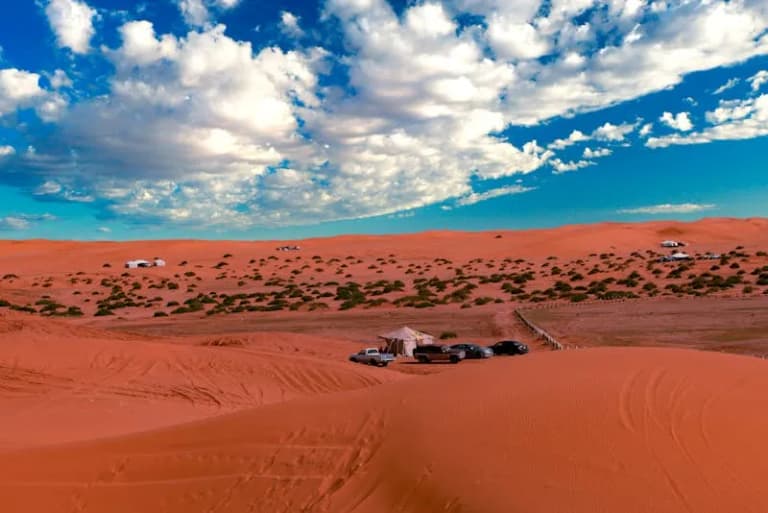
The central desert plateau known as the Najd, home to Riyadh, Buraidah, and Ha'il, delivers the extremes that most people associate with Saudi Arabia: bone-dry summer heat that pushes past 113°F (45°C), surprisingly cool winter nights that can dip close to freezing, and sandstorms that turn the sky orange between March and May. Along the Red Sea coast in the Hejaz region, cities like Jeddah and Yanbu trade those desert extremes for relentless humidity, where summer temperatures of 100-108°F (38-42°C) feel significantly worse than Riyadh's higher numbers because sweat simply refuses to evaporate.
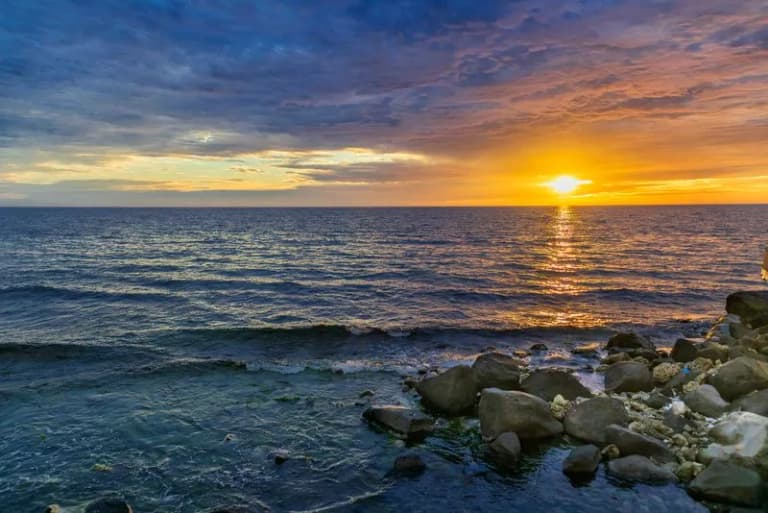
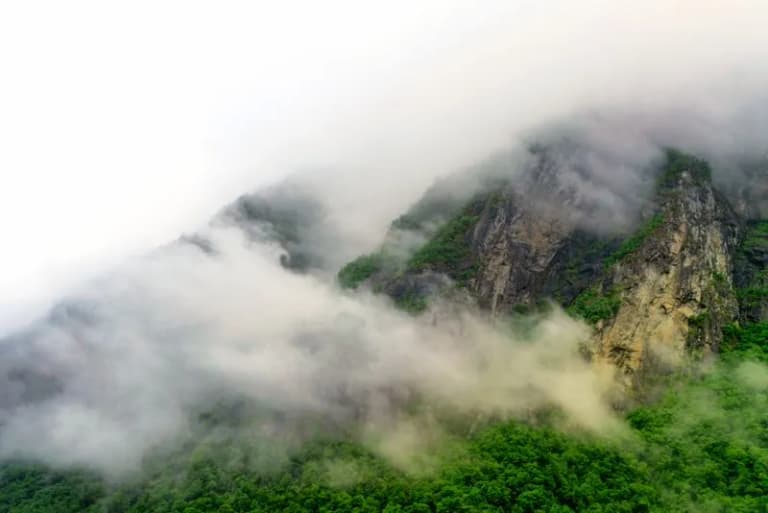
Over on the Arabian Gulf coast in the Eastern Province, Dammam, Khobar, and Jubail suffer a particularly uncomfortable combination of extreme heat and high humidity, with shamal winds periodically sweeping dust storms down from the northwest. Meanwhile, the southwest highlands of the Asir region -where Abha sits at 7,448 feet (2,270 m) and Taif at nearly 6,234 feet (1,900 m), feel like an entirely separate world, with summer highs of just 77-86°F (25-30°C), regular rainfall, rolling fog, and even occasional snowfall in winter.
In practice, Saudi Arabia's year divides into two dominant seasons: a long, punishing summer that runs from May through September, and a shorter but genuinely pleasant winter from November to February, with March-April and October serving as transitional months that can swing either way. This rhythm shapes everything about daily life in the Kingdom, from when people venture outside and how businesses set their hours, to when tourists should plan their visits and what they need to pack.
Saudi Arabia's capital sits on the Najd plateau at roughly 1,969 feet (600 m) of elevation, surrounded by open desert in every direction, and the thing that makes its weather truly remarkable is not just the summer heat but the staggering annual range. The difference between a July afternoon at 118°F (48°C) and a January night that can dip to 37°F (3°C) is a full 45 degrees, a swing that very few world capitals can match.
Riyadh in summer is an experience that takes newcomers by surprise no matter how much they have read about it. Daytime temperatures regularly reach 113-118°F (45-48°C)and occasionally nudge past 122°F (50°C) during heat waves, while humidity drops below 10%, making the air so dry that stepping into direct sunlight feels like standing in front of an open oven. Streets empty out during the afternoon hours, and the entire city runs on air conditioning -malls, offices, cars, and even some of the newer bus stops are fully climate-controlled, while outdoor construction work is legally banned between 12pm and 3pm throughout the summer months. The one saving grace is that Riyadh's extreme dryness makes the heat more tolerable than you might expect, at least when you find shade, and nighttime temperatures dropping to 86-91°F (30-33°C) pass for genuine relief.
Winter transforms Riyadh into a completely different city, with daytime temperatures settling to a comfortable 64-77°F (18-25°C) under clear blue skies and residents flooding outdoor spaces for park picnics, evening walks, and weekend desert camping trips that would be unthinkable just a few months earlier. What catches many newcomers off guard is how cold the nights become: temperatures regularly drop to 41-50°F (5-10°C) and occasionally dip as low as 36-37°F (2-3°C) in January, meaning a proper jacket is genuinely necessary for evening outings. Rain is rare, arriving in perhaps a handful of brief showers between November and March, but when it does come the city struggles because limited drainage infrastructure causes streets to flood quickly -and locals treat rainfall as something of an event, heading out to parks and wadis to watch the water run through the usually bone-dry landscape.
The transitional months of March-April and October-November bring temperatures that can swing anywhere from 77-100°F (25-38°C), with spring in particular ushering in sandstorm season across the central plateau. These months can still work for outdoor activities if you time them for early morning or after sunset, though by late April the midday heat already feels indistinguishable from full summer.
If Riyadh is a dry oven, Jeddah is a steam room. Perched on the Red Sea coast in the Hejaz region, the city enjoys more stable temperatures than the capital, rarely climbing as high on the thermometer, but the crushing humidity that rolls off the water changes everything about how the heat actually feels on your body.
The numbers alone are deceptive in Jeddah, because while the thermometer reads a seemingly manageable 100-108°F (38-42°C), the 70-90% humidity that accompanies those temperatures drives the heat index, what your body actually feels, well past 131°F (55°C) on the worst days. Sweat refuses to evaporate, your glasses fog the instant you step outside from air conditioning, your hair stays permanently damp, and a five-minute walk to your car feels like wading through warm soup. Even the Red Sea itself offers little refuge, heating up to around 90°F (32°C) by midsummer, which feels more like a lukewarm bath than a refreshing swim. Many long-time residents who have experienced both cities will tell you that Jeddah's oppressive, clinging humidity is considerably harder to bear than Riyadh's fierce but dry 118°F (48°C).
Winter is when Jeddah reveals why so many people love living here, with temperatures settling to a comfortable 72-86°F (22-30°C), humidity dropping to entirely manageable levels of 40-60%, and the city coming alive with outdoor activity. Evenings become perfect for strolling along the Corniche, dining al fresco in the historic Al-Balad district, or diving in 75-79°F (24-26°C) waters where the visibility is at its best, and you rarely need anything warmer than a light long-sleeve shirt even after dark. This is the Jeddah that residents fall in love with, and it is the version of the city that tourists should plan their trips around.
Despite averaging only about 50mm of rainfall per year, Jeddah has a well-documented history of devastating floods, most notably the catastrophic events of 2009 and 2011, which occurred because the city's flat terrain and limited drainage infrastructure simply cannot cope with sudden heavy downpours. Flash flooding remains a genuine safety concern during the November-January window when most of the year's rain falls, and city authorities now issue advance warnings whenever heavy precipitation is forecast.
The Eastern Province, which encompasses the major cities of Dammam, Khobar, Dhahran, and the industrial port of Jubail along the Arabian Gulf coast, might seem like it should enjoy the moderating influence of the sea, but the reality is far less pleasant. This region manages to combine the worst elements of both Riyadh and Jeddah -extreme heat andpunishing humidity -without much of the coastal charm that Jeddah's Red Sea setting provides.
Summers in the Eastern Province are genuinely punishing, with temperatures of 108-118°F (42-48°C) arriving alongside 60-80% humiditythat makes every moment outdoors feel oppressive. The Arabian Gulf itself heats up to around 95°F (35°C) by July and August, which means the sea adds an enormous amount of moisture to the air without offering any of the cooling relief you would hope for from a coastline. The dew point regularly exceeds 86°F (30°C), crossing the internationally recognized threshold for dangerous heat stress, and many of the region's Aramco and SABIC workers simply avoid all outdoor activity during these months. To compound the misery, shamal winds -hot northwesterly gusts from Iraq -periodically sweep through, carrying dust storms that further degrade air quality and coat everything in a layer of fine grit.
The winter months redeem the Eastern Province, bringing daytime temperatures of 59-72°F (15-22°C)and moderate humidity that makes it perfect weather for walking the Dammam Corniche, spending a day at Half Moon Beach, or driving across the King Fahd Causeway to Bahrain for a weekend getaway. Nights typically drop to a comfortable 46-54°F (8-12°C), though occasional cold snaps can push temperatures down to 37-41°F (3-5°C) overnight, catching even long-time residents off guard if they haven't kept a jacket handy. Early morning fog is a common winter occurrence along the Gulf coast and has been known to delay flights out of King Fahd International Airport.
For anyone planning Hajj or Umrah, understanding the weather conditions in Mecca and Medina goes well beyond a matter of personal comfort, because heatstroke is consistently the leading cause of Hajj-related medical emergencies, and the physical demands of the pilgrimage rituals -walking between sites, standing for hours in open spaces -make prolonged heat exposure essentially unavoidable.
Mecca is built in a narrow valley surrounded by mountains, and this bowl-like geography traps heat in a way that makes the city one of the hottest urban environments on earth, with summer temperatures reaching 109-117°F (43-47°C) alongside moderate humidity of 30-50% that drifts in from the Red Sea coast less than 50 miles (80 km) away. During the hottest afternoon hours, the marble floors of the Masjid al-Haram become so hot that they can burn bare feet, and while the mosque authorities deploy cooling water sprays to help, the conditions remain deeply challenging for the millions of worshippers who gather there. When the Hajj falls in summer months -and because the date shifts each year with the Islamic lunar calendar, it can land in any season -the combination of extreme heat and the sheer density of pilgrims in close quarters creates conditions that are genuinely life-threatening for the elderly, the unfit, and anyone who arrives unprepared. Winters paint an entirely different picture, with comfortable temperatures of 72-86°F (22-30°C) that make performing Umrah between December and February a far safer and more pleasant experience.
Medina sits at a higher elevation of 2,034 feet (620 m) and further from the coast than Mecca, which gives it a slightly more forgiving climate even though summers are still hot at 104-113°F (40-45°C) with notably lower humidity that makes the heat feel less oppressive than Mecca's valley conditions. Winters in Medina bring a genuine chill that surprises many visitors, with January nights regularly dropping to 46-54°F (8-12°C), and the lush date palm oases that surround the city create pleasant microclimates that soften both the summer heat and the winter cold. If your schedule allows any flexibility, visiting the Prophet's Mosque during the winter months is a dramatically more comfortable and rewarding experience.
Planning Hajj or Umrah?
If you have the choice, aim for December through February for Umrah. For Hajj, the dates are fixed by the lunar calendar, but regardless of which month it falls in, make sure you pack extensive sun protection, electrolyte supplements, a portable fan, and lightweight breathable clothing. Your health genuinely depends on it.
The Asir Mountains in Saudi Arabia's southwest are the country's best-kept weather secret, a green and misty highland region where Abha sits at 7,448 feet (2,270 m) and Taif at 6,165 feet (1,879 m), surrounded by terraced villages and juniper forests that feel as though they belong to an entirely different country from the scorching lowlands below.
While the rest of Saudi Arabia empties its streets and retreats behind air conditioning from June through September, Abha does the opposite, filling up with Saudi families escaping the lowland heat because summer temperatures here reach only 68-82°F (20-28°C), making it by far the most popular domestic summer destination in the Kingdom. Hotels book out months in advance, the landscape bursts into a vivid green that looks nothing like the stereotypical Arabian Peninsula, and afternoon thunderstorms roll in regularly from July to September, bringing refreshing rain and the kind of lush, misty mountain scenery that first-time visitors find genuinely hard to believe they are seeing in Saudi Arabia. The one thing to be careful about is the fog that frequently blankets the winding mountain roads, creating dramatic views but making driving conditions treacherous, especially after dark.
Winters in Abha are genuinely cold by any standard, not just by Saudi ones, with daytime temperatures of 41-59°F (5-15°C) and nights that regularly drop below freezing, bringing frost to the mountaintops and occasionally even snowfall in the highest areas and around Tabuk in the far north. You will need a proper winter coat, thermals, and warm layers for an Abha winter, and unlike the rest of Saudi Arabia where air conditioning is the only climate control anyone ever thinks about, buildings in this region actually come equipped with heating.
Taif sits at a somewhat lower elevation than Abha, which gives it correspondingly milder weather with summers around 77-95°F (25-35°C) and winters of 50-68°F (10-20°C), and the city has served as a retreat for Saudi royalty and wealthy families for centuries because of its pleasant year-round climate. The most magical time to visit is during the spring rose harvest in March and April, when the famous Taif Rose Festival coincides with particularly pleasant weather, the surrounding hillsides bloom in shades of pink, and the air fills with a floral fragrance that carries for kilometers on the mountain breeze.
The table below shows average daily high temperaturesfor six of Saudi Arabia's most visited cities, though it is worth keeping in mind that actual peaks during heat waves can run 3-5°C hotter than these averages, and nighttime temperatures typically drop 10-15°C lower inland and 5-8°C lower along the coast.
| City | Jan | Feb | Mar | Apr | May | Jun | Jul | Aug | Sep | Oct | Nov | Dec |
|---|---|---|---|---|---|---|---|---|---|---|---|---|
| Riyadh | 20 | 23 | 28 | 34 | 40 | 43 | 45 | 45 | 42 | 35 | 27 | 22 |
| Jeddah | 29 | 29 | 31 | 34 | 37 | 39 | 40 | 39 | 38 | 36 | 33 | 30 |
| Dammam | 20 | 22 | 26 | 33 | 39 | 42 | 44 | 44 | 41 | 35 | 28 | 22 |
| Mecca | 30 | 31 | 34 | 38 | 41 | 43 | 44 | 43 | 42 | 38 | 34 | 31 |
| Medina | 24 | 27 | 30 | 36 | 40 | 43 | 44 | 43 | 42 | 36 | 30 | 25 |
| Abha | 18 | 19 | 22 | 24 | 26 | 28 | 28 | 28 | 26 | 23 | 20 | 18 |
Average daily highs in °C. Source: Saudi Meteorological Authority historical data. Heat wave peaks can add 3-5°C to these figures.
Sandstorms are an unavoidable fact of life in Saudi Arabia, and they go well beyond mere inconvenience -major storms can ground flights, force schools to close, send air quality readings soaring to twenty times the safe limit, and pose serious health risks for anyone with respiratory conditions. If you are planning to live in or visit central Saudi Arabia for any length of time, experiencing at least one significant dust event is essentially guaranteed.
The main sandstorm season runs from March through May, with a secondary peak in June and July, driven by shamal winds -powerful northwesterly gusts that sweep across the Arabian Peninsula from Iraq, picking up enormous quantities of sand from the Nafud desert as they go. Riyadh and the central Najd region bear the brunt with 15-25 significant dust events per year, while Dammam and the Eastern Province see a somewhat lower 10-20 events, and Jeddah along with the rest of the western coast is largely spared thanks to the shielding effect of the Hejaz mountain range.
On minor dust days the sky turns hazy and a fine coating settles over every outdoor surface, but major storms are something else entirely, with visibility dropping below 100 meters, the sky shifting to an unsettling orange-brown that makes midday feel like dusk, and fine particulate matter (PM10) spiking above 1,000 micrograms per cubic meter. During a serious storm you can taste and smell the dust in the air, cars and windows get coated in thick sand within minutes, and the overall effect is genuinely apocalyptic, particularly the first time you witness one.
Preparation makes a significant difference. Keep all windows and doors sealed during storm season, adding weather stripping to older apartments if necessary, and invest in a HEPA air purifier for your bedroom, which is non-negotiable if you suffer from allergies or asthma. Keep a scarf or N95 mask handy for those moments when you have no choice but to step outside, and always try to park your car under cover because one important rule after any storm is to never use your windshield wipers dry, as the abrasive sand will scratch the glass. Following the Saudi Meteorological Authority for advance storm warnings during the March-May peak season gives you time to prepare, and if you have any respiratory conditions, make sure you keep medication stocked at home and carry an emergency inhaler in your car at all times.
The short answer is November through February, when temperatures across most of the country are genuinely pleasant and outdoor sightseeing is comfortable from morning to evening, but the ideal timing ultimately depends on which region you are heading to and what kind of experience you are looking for.
| Purpose | Best Months | Why |
|---|---|---|
| General tourism | November - February | Pleasant 20-28°C across most cities. Ideal for sightseeing, desert trips, outdoor dining. |
| Desert camping & hiking | December - February | Cool nights (5-15°C), comfortable days. Perfect for the Empty Quarter, Edge of the World, AlUla. |
| Red Sea diving | October - May | Water temperature 24-28°C, excellent visibility. Summer is too hot above water. |
| Mountain region (Abha, Taif) | June - September | The only part of Saudi Arabia that's pleasant in summer. Green landscapes, cool 20-28°C. |
| Umrah | December - February | Mecca at 22-30°C instead of 44°C. Much safer and more comfortable for rituals. |
| AlUla & Hegra | October - March | AlUla Season runs during these months. Comfortable weather for exploring ancient tombs. |
| Relocating / starting a job | September - November | Heat starts to ease. Gives you time to settle in before the best season arrives. |
Months to avoid for tourism:
June through August makes outdoor sightseeing genuinely dangerous across most of the country, to the point where even locals avoid venturing outside during afternoon hours. If your travel dates are locked into the summer months, focus your itinerary on indoor attractions, air-conditioned malls, and the Asir mountain region around Abha, which is the only part of Saudi Arabia where summer weather is actually pleasant. Keep in mind that Ramadan (whose dates shift each year with the lunar calendar) also significantly changes the travel experience, as most restaurants close during daylight hours and the pace of public life slows considerably.
Packing for Saudi Arabia depends entirely on the season and region you are visiting, because a January trip to the mountains of Abha and a July trip to the humid coast of Jeddah are two fundamentally different experiences that call for completely different wardrobes.
For summer travel, focus on lightweight, breathable clothing in cotton or linen and light colors, with loose-fitting cuts that allow airflow rather than tight fabrics that trap heat against your skin. Sun protection is not optional at Saudi Arabia's latitude, so pack SPF 50+ sunscreen, a wide-brimmed hat, and quality UV-blocking sunglasses. Carry a water bottle of at least 1 liter with you at all times, because dehydration sneaks up much faster than most newcomers expect. A light scarf or shawl is worth packing as it doubles as sun cover for your head and shoulders while also being useful for entering mosques or more conservative areas. Finally, bring both sandals and closed shoes, since pavement and sand surfaces can reach temperatures hot enough to burn through thin soles.
Winter packing requires more thought than most people expect for a country in the Arabian Peninsula. Riyadh and the inland cities see evening temperatures that genuinely drop to 5-10°C, so a warm jacket is essential, and you will want to layer generously because daytime sunshine can feel warm while temperatures swing 15-20°C by evening. Anyone visiting Abha, Tabuk, or other mountain areas will need a proper winter coat since these regions can see freezing temperatures and even snowfall. A light rain jacket is also worth packing for the occasional showers that arrive between November and March, particularly in the western highlands, and comfortable walking shoes are a must because winter is the season when outdoor sightseeing across most of Saudi Arabia finally becomes not just tolerable but genuinely enjoyable.
Regardless of season, modest clothing that covers shoulders and knees is expected in public spaces throughout Saudi Arabia; the dress code has relaxed significantly in recent years, but modesty remains the norm, especially outside the cosmopolitan pockets of Riyadh and Jeddah. One item that catches almost every newcomer off guard is the need for lip balm and heavy moisturizer, because Riyadh's extremely dry air will crack your lips and dehydrate your skin within just a few days if you arrive unprepared.
Saudi Arabia is predominantly hot, with one of the most extreme summer climates on earth: from May through September, most of the country sits between 100-118°F (38-48°C), and inland cities like Riyadh occasionally exceed 122°F (50°C). But it is not hot everywhere all year. Winters (November-February) are genuinely pleasant across most cities at 59-77°F (15-25°C), inland nights can drop close to freezing, and the Asir mountains around Abha are cold enough for frost and occasional snow. So the honest answer is: mostly very hot, but far more varied by season and region than most people expect.
January is the coldest month in Saudi Arabia. In Riyadh, daytime highs sit around 68°F (20°C) but nights regularly fall to 41-50°F (5-10°C) and occasionally as low as 36-37°F (2-3°C). In the Asir highlands around Abha and in the northern Tabuk region, January nights drop below freezing, bringing frost and, on rare occasions, snowfall. Coastal cities like Jeddah stay mildest, rarely dipping below 64°F (18°C) even in January.
July and August are the hottest months across most of Saudi Arabia. Riyadh regularly hits 118-122°F (48-50°C), while coastal cities like Jeddah stay around 104-108°F (40-42°C) but with extreme humidity that makes it feel worse. The eastern desert regions can occasionally exceed 122°F (50°C). If you're planning to visit, avoid June through August entirely.
Saudi Arabia's year splits into two main seasons. Summer (May-September) is long and punishing, with inland highs of 113-118°F (45-48°C) in Riyadh, humid 100-108°F (38-42°C) heat on the coasts, and sandstorms peaking March through May. Winter (November-February) is short but genuinely pleasant, with comfortable 59-77°F (15-25°C) days across most cities, cold desert nights, and occasional rain in the western highlands. March-April and October are transitional months that can swing either way. The Asir mountains buck the trend entirely, staying cool at 68-82°F (20-28°C) in summer and cold enough for frost in winter.
Yes, it snows in parts of Saudi Arabia. The Tabuk region in the northwest and the Asir Mountains near Abha occasionally receive snowfall during December and January. Temperatures in these highland areas can drop below freezing at night. In 2022, Tabuk saw significant snowfall that covered the desert landscape. However, snow is rare and typically melts within a day or two.
November through February is the best time to visit Saudi Arabia. Temperatures are pleasant across most of the country: Riyadh averages 68-77°F (20-25°C), Jeddah around 81-86°F (27-30°C), and the mountain regions can be cool enough for a jacket. December and January are ideal for desert activities, outdoor sightseeing, and visiting historical sites without the oppressive heat.
Saudi Arabia doesn't have a monsoon-style rainy season, but it does get occasional rainfall. November through March sees scattered showers, particularly in the western highlands (Asir, Taif) and the Riyadh region. The southwest mountains near Abha receive the most rainfall, averaging 300-500mm per year. Flash floods can occur in wadis (dry riverbeds) after heavy rain, which is dangerous. Most of the country receives less than 100mm of rain annually.
Life in Saudi Arabia is designed around the heat. Buildings, malls, offices, and cars are heavily air-conditioned. Many people shift their schedules during summer: working early morning and late evening, avoiding outdoor activity between 11am and 4pm. Construction workers and outdoor laborers are legally prohibited from working in direct sunlight during peak afternoon hours in summer. Covered parking, underground malls, and indoor entertainment venues are standard. Hydration is critical - locals drink far more water than most Westerners expect.
Winter in Saudi Arabia (December-February) varies significantly by region. In Riyadh, evenings can drop to 41-50°F (5-10°C), so bring a warm jacket, sweater, and long trousers. In Jeddah and the coast, light layers are enough as temperatures rarely drop below 68°F (20°C). In mountain areas like Abha and Tabuk, you'll need a proper winter coat, as temperatures can drop below freezing. Regardless of season, modest clothing covering shoulders and knees is expected in public.
Yes, humidity is a major factor on Saudi Arabia's coasts. Jeddah on the Red Sea and Dammam/Khobar on the Arabian Gulf regularly see humidity above 80-90% during summer months. Combined with 100-108°F (38-42°C) temperatures, the heat index can feel like 131-140°F (55-60°C). Glasses fog up when you step outside from air conditioning, and sweat doesn't evaporate. Many residents consider Jeddah's humid heat harder to tolerate than Riyadh's dry 118°F (48°C). The good news: winter humidity is pleasant, making coastal cities enjoyable from October to April.
Sandstorms occur regularly, particularly from March to May. Riyadh and the central Najd region are most affected, with major storms reducing visibility to near zero and blanketing everything in fine dust. The Eastern Province also gets frequent dust storms. During a sandstorm, stay indoors, keep windows closed, and use air purifiers if you have allergies. Cars get covered in dust, and flights can be delayed. Most modern buildings are well-sealed against dust, but older apartments may let fine particles in.
Hegra, Elephant Rock, adventure activities, and practical tips.
Everything you need to know about relocating to the Kingdom.
What to expect during the holy month as a visitor or expat.
How to get the eVisa for visiting Saudi Arabia.