
Loading...
Join our Facebook Group: Join: Expats in Saudi Arabia
Loading...
Complete step-by-step guide for Malaysians wanting to move to Saudi Arabia. Learn about the employer-sponsored work visa and Iqama, job opportunities, popular cities, tax-free salaries, and living costs.
Moving to Saudi Arabia from Malaysia is overwhelmingly built around work. Almost everyone arrives on an employer-sponsored work visa, which is then converted into an Iqama (residence permit) after you land. Your Saudi employer is the sponsor and handles most of the heavy lifting, so the process really starts with securing a job offer.
There are around 15,000 people from Malaysia living in Saudi Arabia today, most of them settled in Riyadh, Jeddah, Mecca, Medina and Dammam. To relocate you'll need the basics: a valid passport, an employer-sponsored work visa, a GAMCA/approved medical fitness certificate, and attested documents. One of Saudi Arabia's biggest draws is that there is no personal income tax, so advertised salaries are effectively take-home pay.
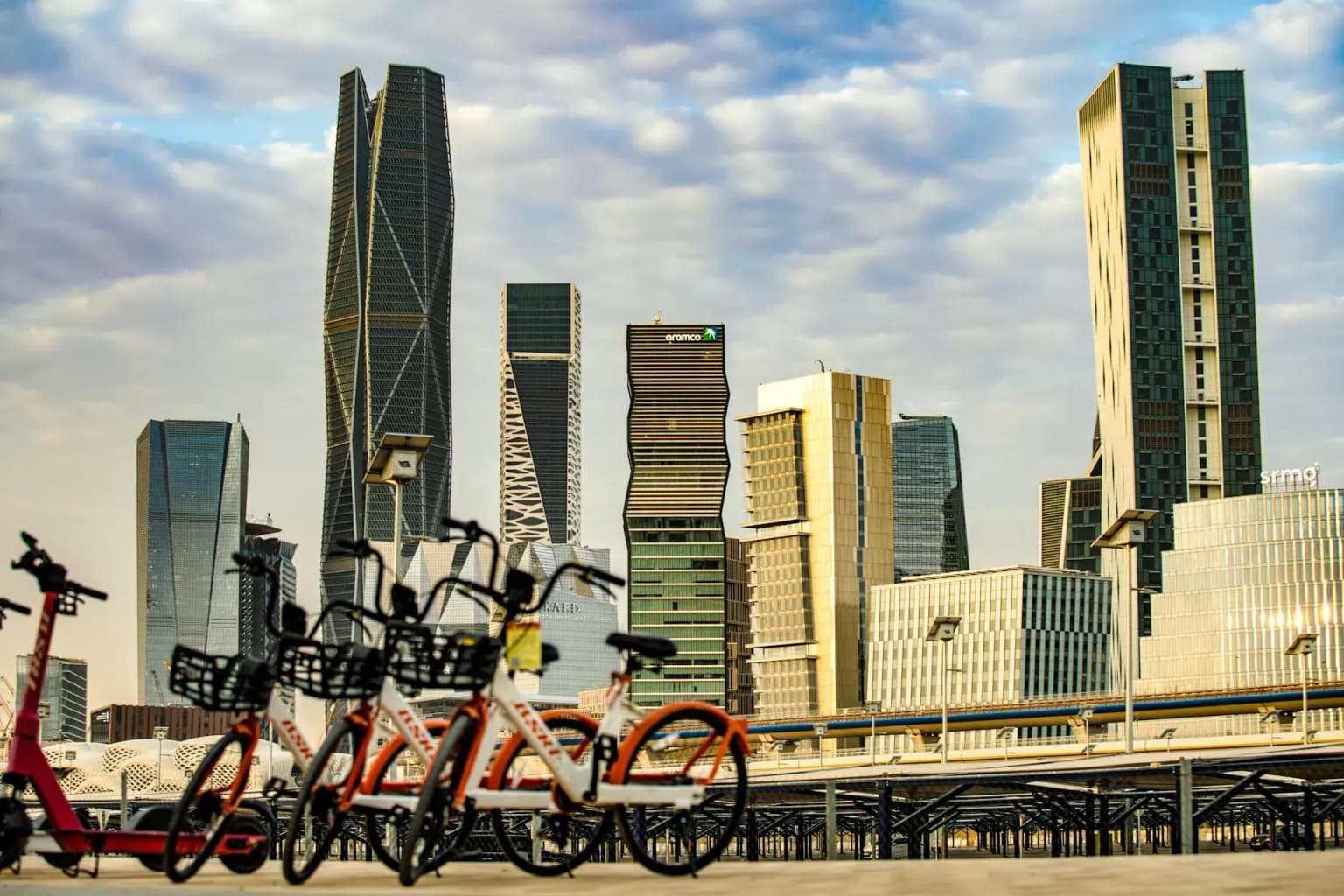
As Malaysians, you can enter Saudi Arabia on an eVisa for tourism, Umrah, and business visits of up to 90 days. However, to live and work in the Kingdom you still need an employer-sponsored work visa, which is then converted into an Iqama (residence permit) after arrival.
| Visa Type | What You Can Do | Duration | Key Requirements |
|---|---|---|---|
| Work Visa | Work full-time for your Saudi sponsor, obtain an Iqama, and sponsor family once salary conditions are met | 1 year, renewable via Iqama | Job offer + employer sponsorship, medical fitness certificate, attested documents |
| Tourist eVisa | Tourism, Umrah, and short business visits (cannot be used to take up employment) | 1-year multiple entry, up to 90 days per visit | Valid passport, online application via Visit Saudi portal |
| Business Visa | Meetings, negotiations, and exploring opportunities (no paid employment) | Single or multiple entry, short-term | Invitation letter from a Saudi company, valid passport |
| Premium Residency | Live and work without a sponsor, own property, and sponsor family | Renewable annually or permanent | Financial and eligibility criteria set by the Premium Residency Center |
Typical visa processing takes around 5-15 minutes (eVisa). Biometrics (fingerprints and a photo) are mandatory for work visa applicants. Most applicants are not required to attend an interview.
If you are applying from Malaysia, your paperwork is generally processed through the Royal Saudi Embassy or Consulate in Kuala Lumpur. Requirements are updated regularly, so always confirm the current checklist before you submit anything.Official sources: Ministry of Foreign Affairs (mofa.gov.sa) for visa rules, Qiwa (qiwa.sa) for employment and labor contracts, and Absher (absher.sa) for government services after you arrive.
Malaysians must have an employer-sponsored work visa before starting a job in Saudi Arabia. Your sponsor (employer) secures a visa allocation, you complete the medical and documentation steps in Malaysia, and once you arrive your employer converts the visa into an Iqama (residence permit) within 90 days. The Iqama is what legally lets you live, open a bank account, and access services in the Kingdom.
Visitor Entry: eVisa available for up to 90 days (tourism/business only)
Work Authorization: Employer-sponsored work visa + Iqama required
Processing Time: 5-15 minutes (eVisa)
Typical Minimum Salary: around SAR 8,000 per month (tax-free)
Land a role with a Saudi employer willing to sponsor you. See our job search guide to get started.
Your employer obtains the visa allocation and issues a contract, typically registered through Qiwa.
Complete your medical fitness test, attest your documents, and collect the work visa at the Saudi mission in Kuala Lumpur.
After you arrive, your employer completes a second medical and issues your Iqama. See the full moving to Saudi Arabia guide.
Malaysians are a well-established part of Saudi Arabia's workforce, with roughly 15,000 already living in the Kingdom. Hiring is strongest in the sectors where the Malaysians community is already concentrated, and Vision 2030 megaprojects continue to expand demand across construction, technology, healthcare, and services.
Good to know: Malaysian citizens are eligible for eVisa for tourism and business visits. Malaysia and Saudi Arabia share strong Islamic ties, and Malaysia is one of the largest sources of Umrah pilgrims. Tabung Haji (Pilgrims Fund Board) manages Malaysian Hajj arrangements. Malaysian companies, particularly Petronas, have significant investments in Saudi Arabia's energy sector. Growing cooperation in Islamic finance, halal industry, and education. Malaysia's expertise in Islamic banking is valued in Saudi Arabia's financial sector development.
High demand on megaprojects, competitive tax-free salaries, career growth
Growing sector with opportunities for international professionals
Strong Vision 2030 demand, tax-free packages, often English-speaking teams
Growing sector with opportunities for international professionals
Saudi work visa and Iqama applications for Malaysians require documentation proving your identity, qualifications, and medical fitness. Documents generally must be translated into Arabic and attested by the relevant authorities and the Saudi Embassy.
| Document Type | Requirements | Notes |
|---|---|---|
| Valid Malaysian passport (6+ months validity) | Valid for at least 6 months beyond intended stay | Machine-readable, with blank pages |
| eVisa application via Visit Saudi portal | Original document with certified Arabic translation | Keep certified copies |
| Return flight ticket | Original document with certified Arabic translation | Keep certified copies |
| Hotel reservation or accommodation proof | Original document with certified Arabic translation | Keep certified copies |
| Travel insurance | Original document with certified Arabic translation | Keep certified copies |
| Employer sponsorship letter (for work visa) | Provided and processed by your Saudi employer | Keep certified copies |
Translation: Non-Arabic documents generally need certified Arabic translation. See our document attestation guide for the full process.
Medical fitness: A medical examination at a GAMCA-approved center (where applicable) is mandatory before a work visa is issued, and a second check is usually done after arrival for the Iqama.
Attestation: Educational and professional certificates must be attested by the competent authorities in Malaysia and by the Saudi Embassy. Confirm the exact chain of attestation with the mission before you begin.
Looking for an immigration lawyer?
Get matched for free with a verified, English-speaking specialist in your city.
Relocation costs depend on your visa type and how much support your employer provides. In many work-visa packages the employer covers the main government fees, but it is worth understanding the full picture. The figures below are approximate and quoted in Saudi Riyals (SAR).
| Visa Type | Fee (SAR) | Notes |
|---|---|---|
| Tourist eVisa | ~SAR 480 | 1-year multiple entry (includes insurance) |
| Visit / Single Entry | ~SAR 480 | Business or family visit |
| Work Visa | ~SAR 1,800 | Often covered or partly covered by the employer |
Beyond the visa fee, plan for these before you travel:
Saudi Arabia levies no personal income tax, so your advertised salary is effectively your take-home pay. This is a major reason Malaysians choose the Kingdom over higher-tax destinations. A tax treaty exists between Saudi Arabia and Malaysia, which can help you avoid double taxation on income back home. Learn more in our guide on whether Saudi Arabia is tax-free.
Saudi Arabia offers Malaysians a tax-free income and a large, well-supported expat community. Around 15,000 Malaysians already live here, mostly in cities like Riyadh and Jeddah.
Costs vary a lot between the big cities and smaller towns. Many employers include or subsidize housing, and lots of expat families live in compounds. Once you arrive, you'll want to open a Saudi bank account and start looking for a place to rent. Our compound living guide and cost of living calculator explain what to expect.
Because there is no income tax, Saudi salaries go further than the headline number suggests. For Malaysians, a typical minimum salary starts around SAR 8,000 per month, with skilled and senior roles paying considerably more. Packages for professionals often add housing and transport allowances on top of base pay.
Family sponsorship: Once you hold a valid Iqama and meet the salary threshold set by the authorities, you can sponsor your spouse and children to live with you in Saudi Arabia. Requirements vary by profession, so confirm the current threshold with your employer.
Saudi Arabia has modern infrastructure, extensive shopping, healthcare, and a rapidly growing entertainment and tourism scene under Vision 2030. Alcohol is prohibited and it is a conservative, Muslim-majority country, so it helps to understand local customs before you arrive.
To plan your budget, use our cost of living calculator, and read the full moving to Saudi Arabia guide and our overview of life as a foreigner in Saudi Arabia.
English is widely used in professional and technical roles, especially in multinational companies and Vision 2030 projects. Learning basic Arabic will make daily life, paperwork, and building relationships much easier.
For Malaysians, visa processing typically takes 5-15 minutes (eVisa), on top of the time your employer needs to arrange sponsorship and you need for medicals and attestation. Start document attestation early, as that step often takes the longest.
Yes. Once you hold a valid Iqama and meet the salary threshold for your profession, you can sponsor your spouse and children. Your employer can confirm whether your role and salary qualify for family sponsorship.
Saudi Arabia does not levy personal income tax on salaries, so your pay is effectively tax-free in the Kingdom. A tax treaty with Malaysia helps prevent double taxation. See our tax guide for details.
Malaysians apply through the Royal Saudi Embassy or Consulate in Kuala Lumpur, or via the official portals for eVisas. Always confirm the current requirements before applying.
Official sources: mofa.gov.sa (visas), qiwa.sa (employment), and absher.sa (services).
The Iqama is your Saudi residence permit. Your employer issues it after you arrive on a work visa, and it's what lets you legally live in the Kingdom, open a bank account, sponsor family, and access government services through Absher. It's renewed regularly, usually by your employer.
Now that you understand how Malaysians move to Saudi Arabia, explore our guides to make your relocation smooth and successful.