
Which City Is This Page For?
Most expats end up in one of six cities: Riyadh, Jeddah, Dammam, Khobar, Dhahran or Jubail, and each of those has its own full guide. The nine cities below are smaller, cheaper and, for most foreigners, a job-led choice rather than a lifestyle one.
Use the table to compare them at a glance, then jump to the city you are considering. Budgets are for a single person renting a one-bedroom apartment; run your own numbers in the cost of living calculator.
| City | Region | Population | Monthly budget | 1-bed rent | Best for |
|---|---|---|---|---|---|
| Mecca | Makkah Region | 2.0 million | 4,000-12,000 SAR | 2,000-8,000 SAR (prices surge during Hajj season) | Religious scholars, Hospitality professionals, Hajj/Umrah service workers, Muslim expats seeking spiritual life |
| Medina | Al-Madinah Region | 1.4 million | 3,500-10,000 SAR | 1,500-6,000 SAR | Islamic scholars, Religious tourism workers, Agriculture professionals, Those seeking a peaceful spiritual environment |
| Abha | Asir Region | 400,000 | 3,000-8,000 SAR | 1,500-5,000 SAR | Tourism professionals, Nature lovers, Those seeking cool climate, Culture enthusiasts, Government workers |
| Taif | Makkah Region | 700,000 | 3,000-8,000 SAR | 1,500-5,000 SAR | Tourism workers, Agricultural professionals, Those seeking cooler climate, Retirees, Culture enthusiasts |
| Yanbu | Al-Madinah Region | 300,000 | 3,000-8,000 SAR | 1,500-5,000 SAR | Petrochemical professionals, Marine industry workers, Divers and water sports enthusiasts |
| Al Kharj | Riyadh Region | 400,000 | 2,500-7,000 SAR | 1,000-3,500 SAR | Agricultural professionals, Military personnel, Budget-conscious families, Those commuting to Riyadh |
| Hail | Ha'il Region | 400,000 | 2,500-7,000 SAR | 1,000-3,500 SAR | Agricultural workers, Government employees, Those seeking traditional Arabian culture, Motorsport enthusiasts |
| Buraidah | Qassim Region | 700,000 | 2,500-7,000 SAR | 1,000-3,500 SAR | Agricultural professionals, Date industry workers, Religious scholars, Government employees, Those seeking conservative lifestyle |
| Jizan | Jazan Region | 200,000 | 2,000-6,000 SAR | 800-3,000 SAR | Marine biologists, Agricultural workers, Those seeking tropical climate, Adventure seekers, Budget-conscious expats |
Mecca
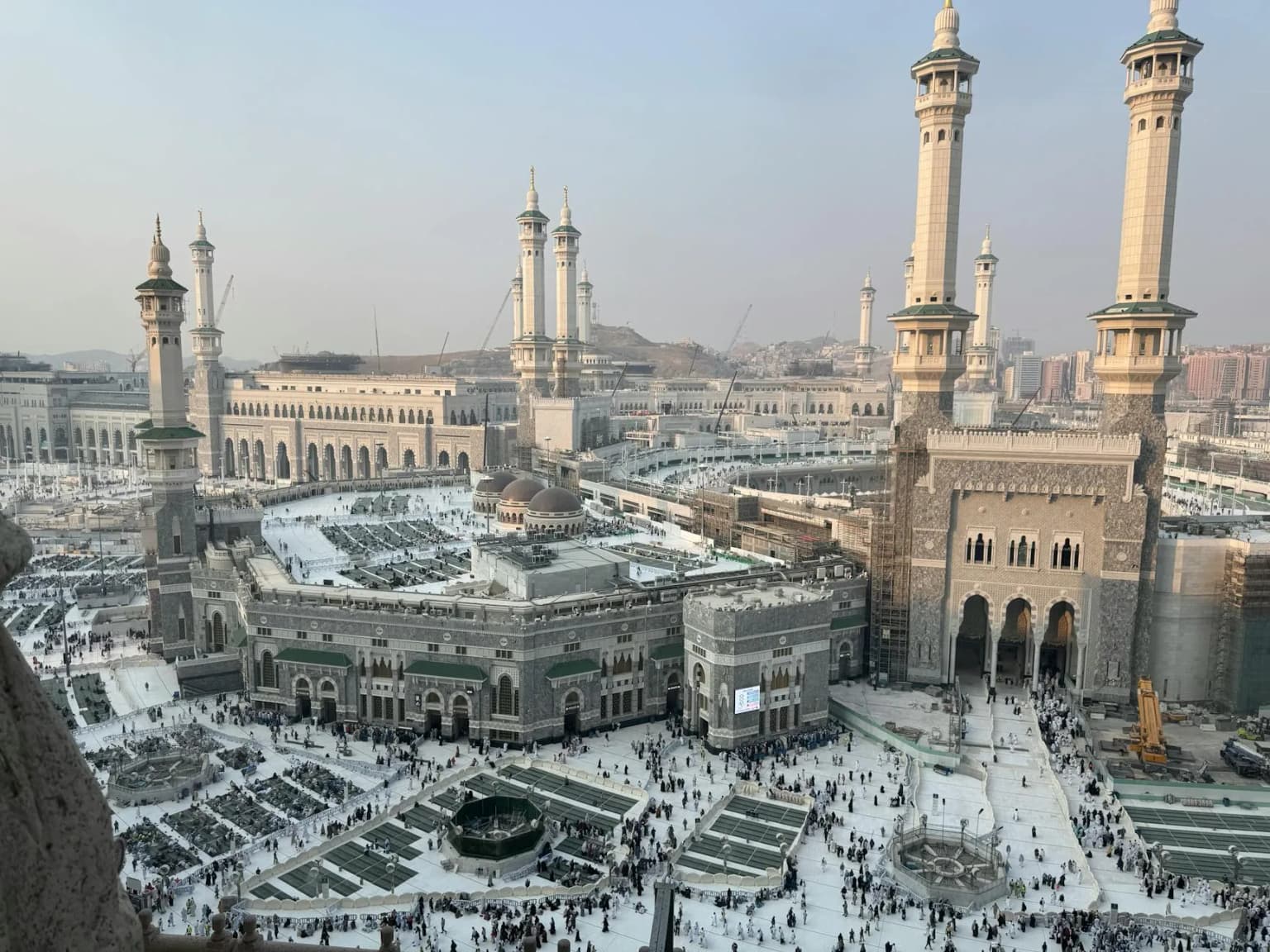
The holiest city in Islam and birthplace of the Prophet Muhammad, Mecca draws millions of Muslim pilgrims annually for Hajj and Umrah. Entry is restricted to Muslims only.
Who moves here: Religious scholars, Hospitality professionals, Hajj/Umrah service workers, Muslim expats seeking spiritual life. The local economy runs on religious tourism (hajj & umrah), hospitality & hotels, real estate development, and major employers include General Presidency for the Affairs of the Grand Mosque, Jabal Omar Development Company, Makkah Construction & Development Company.
What it costs: a one-bedroom apartment rents for 2,000-8,000 SAR (prices surge during Hajj season) and a comfortable monthly budget is 4,000-12,000 SAR. Living costs are Similar to Jeddah on average, but accommodation prices can triple or quadruple during Hajj season compared with other Gulf cities.
Upsides: Spiritual significance as the holiest city in Islam. Strong demand for hospitality and service sector workers. High-quality hotel and accommodation infrastructure. Trade-offs: Non-Muslims are not permitted to enter the city. Extreme heat, especially during summer months.
Things to do in Mecca
- Masjid al-Haram (Grand Mosque) (Sacred Site): The largest mosque in the world and the holiest site in Islam, encompassing the Kaaba at its center. The mosque can accommodate over two million worshippers during Hajj and has been expanded many times throughout history to serve the ever-growing number of pilgrims. Tickets: Free.
- The Kaaba (Sacred Site): The most sacred structure in Islam, the Kaaba is a cube-shaped building at the center of Masjid al-Haram. Muslims around the world face its direction (Qibla) during daily prayers. Pilgrims perform Tawaf by circling the Kaaba seven times counter-clockwise as an act of worship. Tickets: Free.
- Abraj Al-Bait (Makkah Royal Clock Tower) (Modern Landmark): Home to the world's largest clock face at 141 feet (43 m) in diameter, visible from 16 miles (25 km) away. The Abraj Al-Bait complex towers over the Grand Mosque and includes a hotel, shopping mall, prayer halls, and a museum. It is one of the tallest buildings in the world. Tickets: Free to enter the mall; museum admission varies.
Climate: summers are extremely hot, 104-118°f (40-48°c) with low humidity (june-september), winters warm, 64-86°f (18-30°c) with pleasant evenings (november-february). Airport: King Abdulaziz International Airport, Jeddah (JED) - 80 km, Taif Regional Airport (TIF) - 90 km. Related guides: Masjid al-Haram guide, Umrah visa, Hajj visa.
Medina
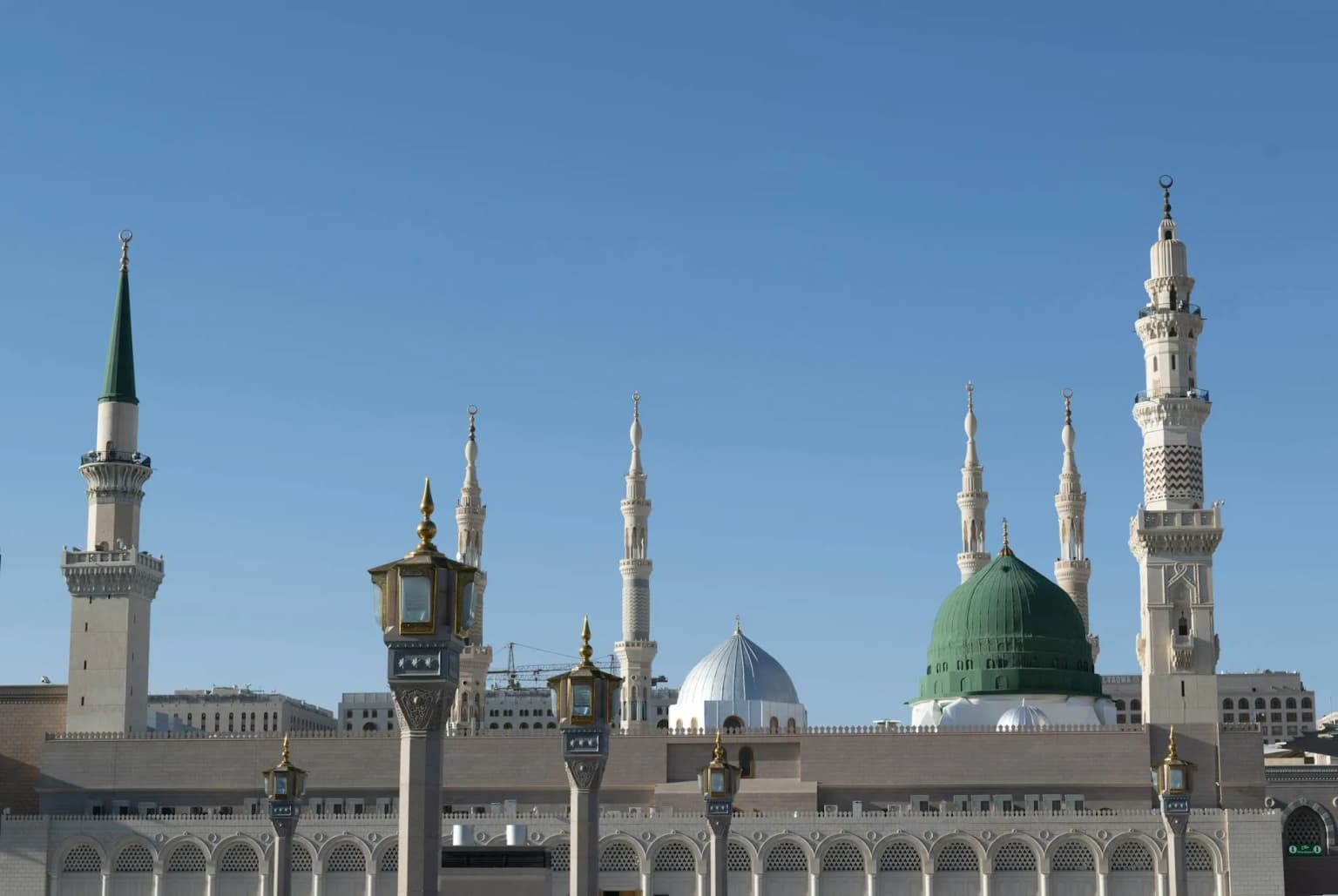
The second holiest city in Islam and burial place of the Prophet Muhammad, Medina is a city of profound spiritual importance with a growing knowledge economy and agricultural heritage.
Who moves here: Islamic scholars, Religious tourism workers, Agriculture professionals, Those seeking a peaceful spiritual environment. The local economy runs on religious tourism, agriculture (date production), education & islamic studies, and major employers include General Presidency for the Prophet's Mosque, Islamic University of Madinah, Taibah University.
What it costs: a one-bedroom apartment rents for 1,500-6,000 SAR and a comfortable monthly budget is 3,500-10,000 SAR. Living costs are 15-25% cheaper than Riyadh; accommodation prices increase during Hajj and Ramadan compared with other Gulf cities.
Upsides: Deeply spiritual and peaceful atmosphere. Lower cost of living than Riyadh or Jeddah. Connected by Haramain High-Speed Railway to Jeddah and Mecca. Trade-offs: Limited job diversity outside religious tourism and agriculture. Hot desert climate in summer.
Things to do in Medina
- Al-Masjid an-Nabawi (Prophet's Mosque) (Sacred Mosque): One of the largest mosques in the world and the burial place of Prophet Muhammad. The iconic Green Dome marks the location of the Prophet's tomb. With a capacity exceeding one million worshippers, the mosque features 250 retractable umbrellas that shade the vast marble courtyard during the day and fold at sunset, creating a mesmerizing spectacle. Tickets: Free entry; Rawdah visits require reservation via Nusuk app.
- Quba Mosque (Historic Mosque): The first mosque ever built in Islamic history. Prophet Muhammad laid its foundation upon his arrival in Medina during the Hijrah. Praying two rak'ahs here is said to equal the reward of an Umrah. The current structure is a modern reconstruction with elegant white domes and minarets. Tickets: Free.
- Mount Uhud (Historic Site): The site of the Battle of Uhud in 625 CE, one of the most significant events in early Islamic history. The mountain overlooks the Martyrs' Cemetery (Shuhada Uhud) where companions who fell in the battle are buried. Prophet Muhammad said, "Uhud is a mountain that loves us and we love it." Tickets: Free.
Climate: summers are very hot and dry, 100-113°f (38-45°c) (june-september), winters mild and pleasant, 54-77°f (12-25°c) with cool nights (november-february). Airport: Prince Mohammad bin Abdulaziz International Airport (MED). Related guides: Quba Mosque guide, Mount Uhud guide, Umrah visa.
Abha
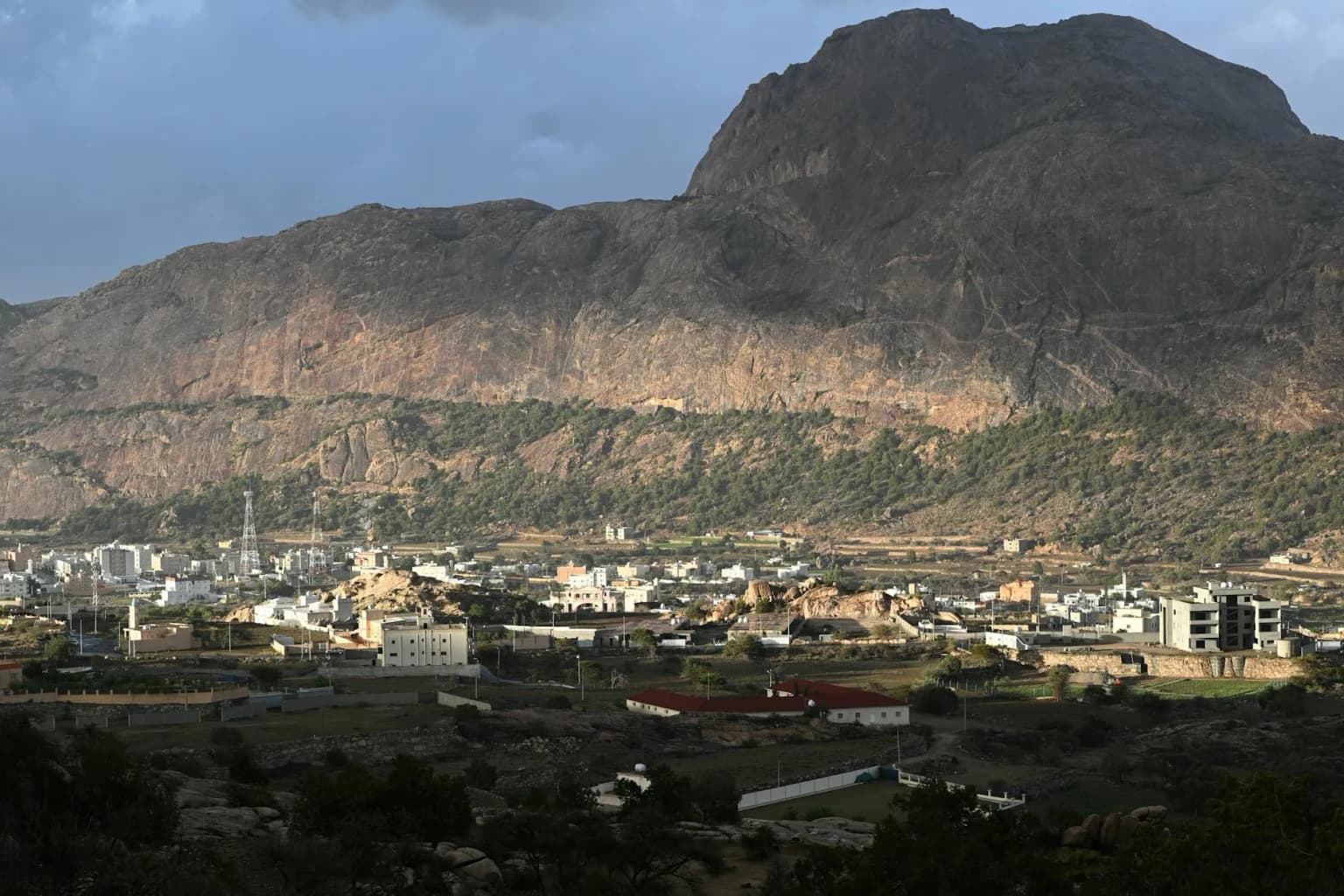
A highland city in the Asir Mountains, Abha offers a rare cool climate in Saudi Arabia and is the Kingdom's premier domestic tourism destination, known for its lush greenery and traditional architecture.
Who moves here: Tourism professionals, Nature lovers, Those seeking cool climate, Culture enthusiasts, Government workers. The local economy runs on tourism & hospitality, government & public sector, agriculture (honey, fruit, grains), and major employers include Asir Region Government (Emirate of Asir), King Khalid University, Asir Central Hospital.
What it costs: a one-bedroom apartment rents for 1,500-5,000 SAR and a comfortable monthly budget is 3,000-8,000 SAR. Living costs are 30-40% cheaper than Riyadh; one of the most affordable cities in Saudi Arabia compared with other Gulf cities.
Upsides: Cool highland climate unlike the rest of Saudi Arabia. Stunning mountain scenery and lush vegetation. Growing tourism sector with government investment. Trade-offs: Limited job opportunities outside government and tourism. Remote location far from major business centers.
Things to do in Abha
- Asir National Park (National Park): Saudi Arabia's premier national park covers a vast area of juniper-clad mountains, deep valleys, and diverse wildlife habitats. The park is home to troops of hamadryas baboons, Arabian leopards, and over 300 bird species. Hiking trails wind through ancient juniper forests with panoramic views over the Asir highlands.
- Green Mountain (Jabal Akhdar) (Scenic Viewpoint): Rising above the city center, Green Mountain is illuminated in vivid green light at night, making it a striking landmark visible from across Abha. A cable car carries visitors to the summit for sweeping panoramic views of the city and surrounding mountains. The area around the base features parks and cafes popular with families. Tickets: Cable car ticket required.
- Habala Village (Heritage Village): One of Saudi Arabia's most remarkable heritage sites, Habala is an ancient cliffside village clinging to the edge of a steep escarpment. Historically accessible only by rope, the village is now reached by cable car. The stone houses, terraced agriculture, and dramatic setting offer a window into how mountain communities lived in isolation for centuries. Tickets: Cable car ticket required.
Climate: summers are cool for saudi arabia, 68-86°f (20-30°c) with afternoon fog and monsoon rains (june-september), winters cold, 41-64°f (5-18°c) with frost possible at higher elevations (november-february). Airport: Abha Regional Airport (AHB).
Taif
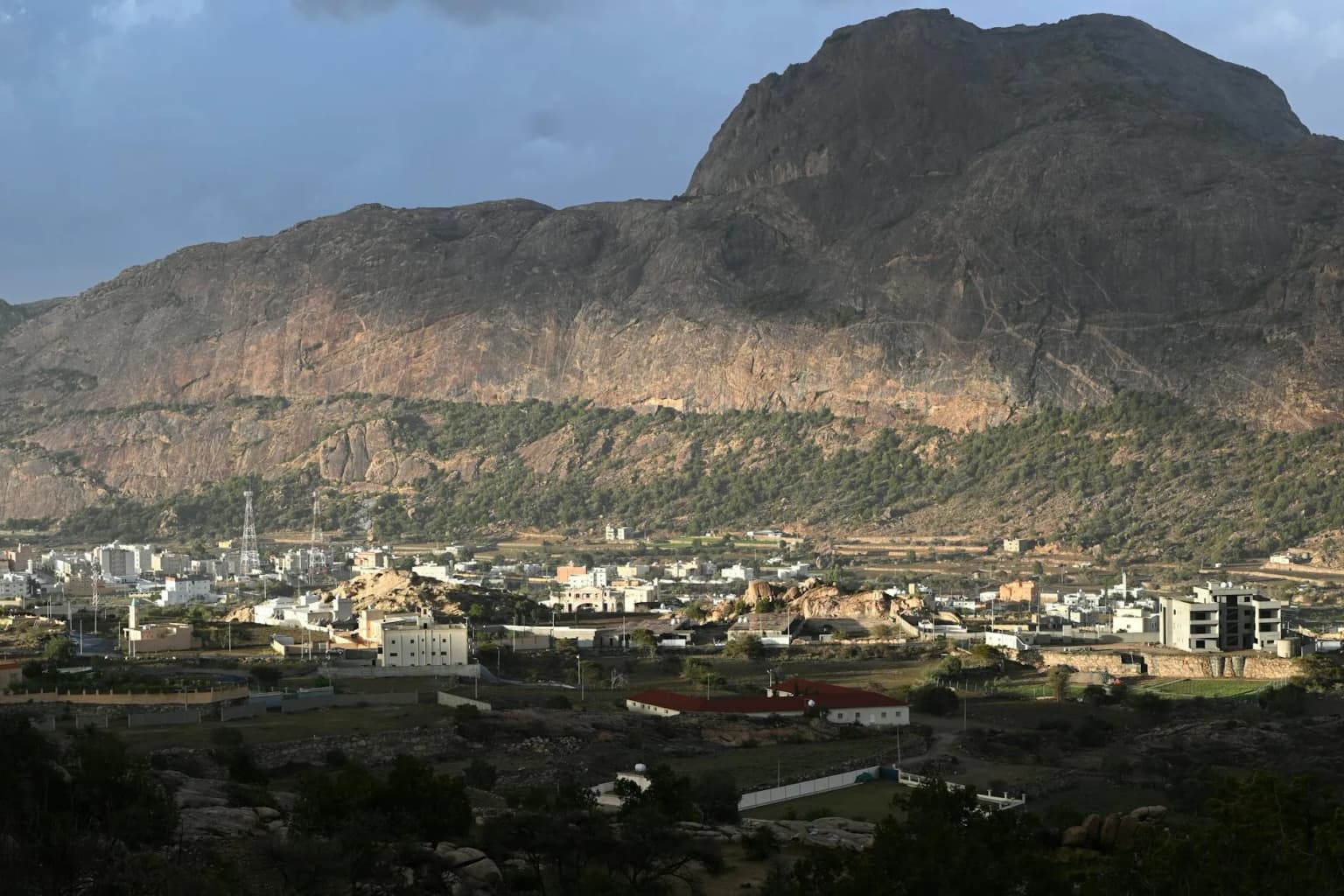
Known as the 'City of Roses,' Taif is a mountain resort city famous for its rose farms, pleasant climate, and historical significance as the unofficial summer capital of Saudi Arabia.
Who moves here: Tourism workers, Agricultural professionals, Those seeking cooler climate, Retirees, Culture enthusiasts. The local economy runs on agriculture (roses, honey, fruit), tourism & hospitality, government & military, and major employers include Taif Regional Government, Taif University, Military installations.
What it costs: a one-bedroom apartment rents for 1,500-5,000 SAR and a comfortable monthly budget is 3,000-8,000 SAR. Living costs are 25-35% cheaper than Riyadh; among the most affordable mid-sized cities compared with other Gulf cities.
Upsides: Pleasant mountain climate, cooler than lowland cities. Famous rose farms and perfume industry. Rich agricultural tradition (honey, fruit, roses). Trade-offs: Limited private sector job opportunities. Smaller city with fewer amenities than major metros.
Things to do in Taif
- Taif Rose Farms (Agricultural Tourism): Over 300 million Rosa damascena roses are cultivated annually in the farms surrounding Taif, producing the city's signature rose water and rose oil through traditional steam distillation. During the March-April harvest season, the farms open to visitors who can watch the early-morning picking, tour the distilleries, and purchase fresh rose products directly from the producers.
- Al Shafa Mountain (Mountain Resort): Rising to 7,218 feet (2,200 m), Al Shafa is a mountain resort area famous for its terraced fruit orchards growing figs, pomegranates, grapes, and peaches. The cooler temperatures and fertile soil support agriculture that would be impossible in the lowlands. Visitors can tour orchards, sample seasonal fruits, and buy fresh produce and honey from local farmers.
- Al Hada Mountains (Mountain Scenery): The winding Al Hada road climbing from the Tihama lowlands to Taif is one of the most scenic drives in Saudi Arabia, with over 20 hairpin turns and panoramic overlooks. At the top, a cable car offers aerial views, and a baboon sanctuary lets visitors observe hamadryas baboons in a semi-natural setting. The mountain parks are popular with families for picnics. Tickets: Cable car and baboon sanctuary have separate entry fees.
Climate: summers are warm but pleasant, 77-95°f (25-35°c), significantly cooler than lowland cities (june-september), winters cool to cold, 41-64°f (5-18°c) with occasional frost (november-february). Airport: Taif Regional Airport (TIF).
Yanbu

A Red Sea industrial port city developed by the Royal Commission, Yanbu combines a major petrochemical hub with a historic old town and beautiful coral reefs, serving as the western counterpart to Jubail.
Who moves here: Petrochemical professionals, Marine industry workers, Divers and water sports enthusiasts. The local economy runs on oil refining, petrochemicals, port & maritime services, and major employers include Saudi Aramco (Yanbu refinery), SABIC (Yanbu petrochemical complex), Royal Commission for Yanbu.
What it costs: a one-bedroom apartment rents for 1,500-5,000 SAR and a comfortable monthly budget is 3,000-8,000 SAR. Living costs are 25-35% cheaper than Riyadh; comparable to Jubail compared with other Gulf cities.
Upsides: Royal Commission-managed city with high urban planning standards. Red Sea coastline with excellent diving and coral reefs. Competitive industrial salaries. Trade-offs: Limited job diversity outside industry. Hot and humid coastal climate.
Things to do in Yanbu
- Yanbu Historic Old Town (Historic District): The historic heart of Yanbu features beautifully preserved Hejazi architecture with coral stone buildings, intricately carved wooden doors, and latticed balconies (rawasheen). Narrow lanes wind past Ottoman-era merchant houses and small mosques. The old town was once a bustling trading port on the Red Sea and a stop on the pilgrimage route to Medina. Walking through its quiet streets feels like stepping back centuries.
- Diving & Snorkeling (Water Sports): The coral reefs off Yanbu's coast are among the most pristine in the Red Sea, with crystal-clear water offering visibility of up to 98 feet (30 m). Divers and snorkelers encounter vibrant hard and soft corals, sea turtles, manta rays, reef sharks, and schools of colorful tropical fish. Several dive centers in the Royal Commission area offer boat trips to offshore reef sites suitable for all experience levels.
- Yanbu Waterfront (Waterfront): The modern Yanbu waterfront and Corniche offer a pleasant stretch of parks, beach areas, and walking paths along the Red Sea. The promenade is popular for evening strolls, jogging, and family outings. Benches and shaded areas face the water, providing lovely spots to watch fishing boats come and go and enjoy the sea breeze.
Climate: summers are very hot and humid, 95-113°f (35-45°c) (june-september), winters warm and pleasant, 64-82°f (18-28°c), ideal for diving (november-february). Airport: Prince Abdul Mohsin bin Abdulaziz Airport, Yanbu (YNB).
Al Kharj

A fast-growing city south of Riyadh, Al Kharj is one of Saudi Arabia's most important agricultural centers and home to a significant military base, offering affordable living close to the capital.
Who moves here: Agricultural professionals, Military personnel, Budget-conscious families, Those commuting to Riyadh. The local economy runs on agriculture & dairy farming, military & defense, food processing, and major employers include Prince Sultan Air Base (PSAB), Al Safi Danone (dairy), Almarai (dairy and food).
What it costs: a one-bedroom apartment rents for 1,000-3,500 SAR and a comfortable monthly budget is 2,500-7,000 SAR. Living costs are 40-50% cheaper than Riyadh; one of the most affordable cities in central Saudi Arabia compared with other Gulf cities.
Upsides: Very affordable cost of living. Close to Riyadh (48 miles / 77 km, about 1 hour drive). Center of Saudi agriculture and dairy industry. Trade-offs: Limited local entertainment and cultural amenities. Commute to Riyadh required for many jobs.
Things to do in Al Kharj
- Al Kharj Springs (Ain Al-Dhelaa) (Natural Spring): One of Saudi Arabia's most remarkable natural features, the Al Kharj springs are freshwater pools that have sustained agriculture in this region for thousands of years. The turquoise oasis pools sit amid an arid landscape, creating a striking contrast. The springs were historically a vital stop on ancient trade routes and remain an important water source for local farming.
- Date Farms (Agricultural Tourism): Al Kharj's extensive date palm plantations stretch across the fertile land fed by the region's springs. During harvest season (August to October), visitors can tour working farms, observe traditional and modern harvesting methods, and sample dozens of date varieties straight from the trees. The region produces some of Saudi Arabia's finest Khalas and Sukkari dates.
- Historical Forts (Historic Fort): Al Kharj's restored mud-brick forts showcase traditional Najdi defensive architecture. Built centuries ago to protect the agricultural settlements and water sources, these forts feature thick walls, watchtowers, and narrow defensive openings. They offer a tangible connection to the region's history as a strategically important oasis settlement.
Climate: summers are extremely hot and dry, 104-122°f (40-50°c), june-september, winters cool to mild, 46-72°f (8-22°c) with cold nights, november-february. Airport: King Khalid International Airport, Riyadh (RUH) - 62 miles (100 km).
Hail

A historic city in north-central Saudi Arabia, Hail is known for its legendary Arabian hospitality (Hatim al-Tai), agricultural heritage, and the international Hail Rally motorsport event.
Who moves here: Agricultural workers, Government employees, Those seeking traditional Arabian culture, Motorsport enthusiasts. The local economy runs on agriculture (wheat, dates, fruit), government & public sector, mining (phosphate), and major employers include Ha'il Region Emirate (government), University of Ha'il, Hail Agricultural Development Company (HADCO).
What it costs: a one-bedroom apartment rents for 1,000-3,500 SAR and a comfortable monthly budget is 2,500-7,000 SAR. Living costs are 40-50% cheaper than Riyadh; one of the most affordable cities in the Kingdom compared with other Gulf cities.
Upsides: Very affordable cost of living. Rich cultural heritage and legendary hospitality. UNESCO World Heritage rock art sites nearby. Trade-offs: Very limited private sector employment. Remote location far from major cities.
Things to do in Hail
- Jubbah Rock Art (UNESCO) (UNESCO Heritage Site): One of Saudi Arabia's most significant UNESCO World Heritage Sites, the Jubbah petroglyphs contain over 10,000 years of human artistic expression carved into sandstone outcrops on the edge of the Nefud Desert. Hunting scenes, animal depictions, human figures, and inscriptions in various ancient scripts document the transition from a wetter, greener Arabia to the desert landscape of today.
- A'arif Fort (Historic Fort): Perched atop a hill overlooking the city, A'arif Fort is Hail's most iconic landmark. This imposing fortress dates back to the Rashidi emirate that ruled much of northern Arabia in the 19th and early 20th centuries. Climbing to the top rewards visitors with panoramic views across Hail and the surrounding desert plains. The fort's thick mud-brick walls and defensive towers tell the story of tribal rivalries and desert warfare.
- Hail Regional Museum (Museum): A well-curated museum tracing the region's history from prehistoric times through the pre-Islamic era, the rise of Islam, and into the modern Saudi state. Archaeological finds from Jubbah and other local sites are displayed alongside exhibits on Bedouin life, the Rashidi emirate, and Hail's role in Arabian history. An essential stop before visiting the rock art sites for context. Tickets: Small admission fee.
Climate: summers are very hot and dry, 100-115°f (38-46°c) (june-august), winters cold for saudi arabia, 36-61°f (2-16°c) with frost possible (december-february). Airport: Hail Regional Airport (HAS).
Buraidah

The capital of the Qassim Region and the 'Date Capital of the World,' Buraidah is the center of Saudi Arabia's massive date palm industry and hosts the world's largest date festival.
Who moves here: Agricultural professionals, Date industry workers, Religious scholars, Government employees, Those seeking conservative lifestyle. The local economy runs on date palm cultivation & export, agriculture (wheat, vegetables, poultry), food processing, and major employers include Qassim University, Qassim Region Emirate, Date processing and export companies.
What it costs: a one-bedroom apartment rents for 1,000-3,500 SAR and a comfortable monthly budget is 2,500-7,000 SAR. Living costs are Among the cheapest cities in Saudi Arabia; 40-50% cheaper than Riyadh compared with other Gulf cities.
Upsides: Extremely affordable cost of living. World capital of date palm production. Strong agricultural economy. Trade-offs: Very conservative social environment. Limited entertainment and leisure options.
Things to do in Buraidah
- Buraidah Date Festival (Festival & Market): The world's largest date market and festival, held annually from August to October, draws buyers and sellers from across the Middle East. Millions of kilograms of dates in dozens of varieties are traded daily in a sprawling open-air market. The atmosphere is electric, with auctioneers calling out prices, farmers displaying their finest harvests, and visitors sampling dates from stalls stretching as far as the eye can see.
- Unaizah (Heritage Town): A charming heritage town 19 miles (30 km) south of Buraidah, Unaizah is renowned for its traditional Najdi architecture, heritage souqs, and agricultural heritage. The old town features beautifully restored mud-brick buildings, and the town hosts its own Grape Festival. Unaizah is considered one of the best-preserved examples of traditional Najdi urban life.
- Al Qassim Museum (Museum): A regional museum covering the history and culture of the Qassim region from prehistoric times to the present. Exhibits explore the area's deep connection to date palm cultivation, traditional Najdi lifestyles, and the development of agriculture in central Arabia. The date palm section is particularly informative, explaining the dozens of varieties grown locally. Tickets: Small admission fee.
Climate: summers are very hot and dry, 40-48°c (june-september), winters cold, 4-18°c with frost common in the desert (december-february). Airport: Prince Nayef bin Abdulaziz Regional Airport (ELQ).
Jizan
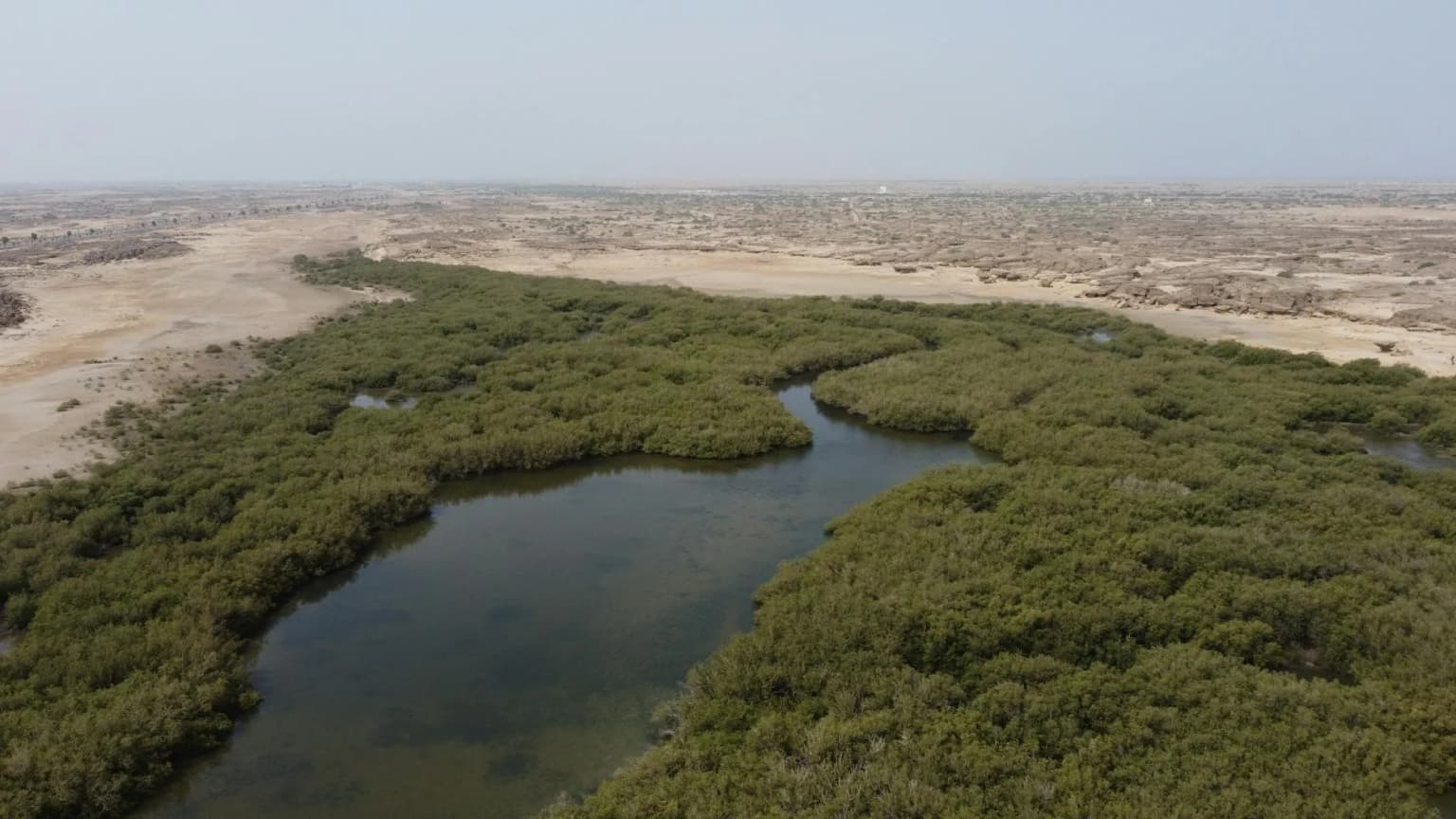
A tropical coastal city on the Red Sea in the far southwest of Saudi Arabia, Jizan offers a unique climate, the Farasan Islands archipelago, and a culture influenced by African and Yemeni traditions.
Who moves here: Marine biologists, Agricultural workers, Those seeking tropical climate, Adventure seekers, Budget-conscious expats. The local economy runs on fisheries & marine resources, agriculture (tropical fruits, coffee), government & military, and major employers include Jazan Region Emirate, Jazan University, Jazan Economic City (under development).
What it costs: a one-bedroom apartment rents for 800-3,000 SAR and a comfortable monthly budget is 2,000-6,000 SAR. Living costs are Among the cheapest cities in Saudi Arabia; up to 50% cheaper than Riyadh compared with other Gulf cities.
Upsides: Unique tropical climate unlike the rest of Saudi Arabia. Beautiful Farasan Islands with pristine diving. Very affordable cost of living. Trade-offs: Very limited job opportunities. Remote location far from major cities.
Things to do in Jizan
- Farasan Islands (Island Archipelago): An archipelago of 84 coral islands accessible by a free government ferry, the Farasan Islands are one of Saudi Arabia's best-kept natural treasures. The main island features pristine beaches, turquoise waters, mangrove channels, and Ottoman-era pearl merchant houses with ornate coral-stone facades. Arabian gazelles roam the islands freely, and the surrounding waters support rich marine life including dolphins, sea turtles, and colorful reef fish.
- Jizan Corniche (Waterfront): A landscaped tropical waterfront stretching along the Red Sea coast, the Jizan Corniche is lined with palm trees, tropical gardens, and waterfront cafes. The warm evening breeze makes it the social hub of the city after sunset, with families strolling, street food vendors selling grilled corn and fresh juice, and views across the Red Sea toward the Farasan Islands.
- Heritage Village (Heritage Village): A reconstructed traditional village showcasing the distinctive architecture and crafts of the Jizan region. The tropical stone-and-thatch buildings are unlike anything found elsewhere in Saudi Arabia, reflecting African and Yemeni influences on local building traditions. Cultural performances, craft demonstrations, and displays of traditional clothing and tools bring the region's unique heritage to life. Tickets: Minimal admission fee.
Climate: summers are hot and very humid, 95-108°f (35-42°c) with high humidity year-round (june-september), winters warm, 72-90°f (22-32°c) with occasional rain (november-february). Airport: Jizan Regional Airport (GIZ).
Frequently Asked Questions
Which smaller Saudi cities are best for expats?▼
Yanbu and Jubail-style industrial cities offer the most expat jobs outside the big three metros. Taif and Abha have the mildest climate in the Kingdom. Mecca and Medina are mainly relevant to Muslim expats working in the hospitality and pilgrimage sectors.
Is it cheaper to live in a smaller Saudi city?▼
Yes. Rent in Abha, Taif, Hail, Buraidah or Jizan is typically 30-50% lower than in Riyadh, and a comfortable monthly budget runs about 4,000-8,000 SAR for a single person. Imported goods and international schools are harder to find, so some costs can be higher.
Can non-Muslims visit Mecca and Medina?▼
Non-Muslims cannot enter the central area of Mecca around the Grand Mosque. Medina is open to non-Muslim visitors except for the Prophet's Mosque and its immediate surroundings.
Planning a Move?
Start with the big picture, then work out the money.